

2025: Staying, Simplifying, & Designing with Heart
A reflective look back at 2025 at Bede’s Blooms + Co., sharing the blooms and bare stems of running a small Michigan flower farm and floral design business. From weddings and community florals to large-scale installations and lessons in sustainability, this post explores choosing simplicity, balance, and designing with heart as we step into 2026.
I haven’t written a Petals & Prose reflection in months — life, work, the seasons, and the weight of this year all seemed to pull me in different directions. But as this year closes, I want to sit with you for a moment and honestly look both backward and forward.
The beautiful and the broken. The blooms and the bare stems.
2025 was not easy.
There were seasons of deep exhaustion, tears I didn’t expect, and moments where the grit it took to keep going surprised even me. There were days I questioned whether I could — or should — keep doing this. I almost quit.
But something meaningful came from the rest, the reflection, the tears, and the hard work. Stepping back gave me clarity. The hard moments softened my perspective. And choosing to stay — even when it felt heavy — reminded me why I started Bede’s Blooms + Co. in the first place.
What emerged wasn’t a desire to do more.
It was a desire to do what matters, with intention.
A Year of Honoring Love Stories
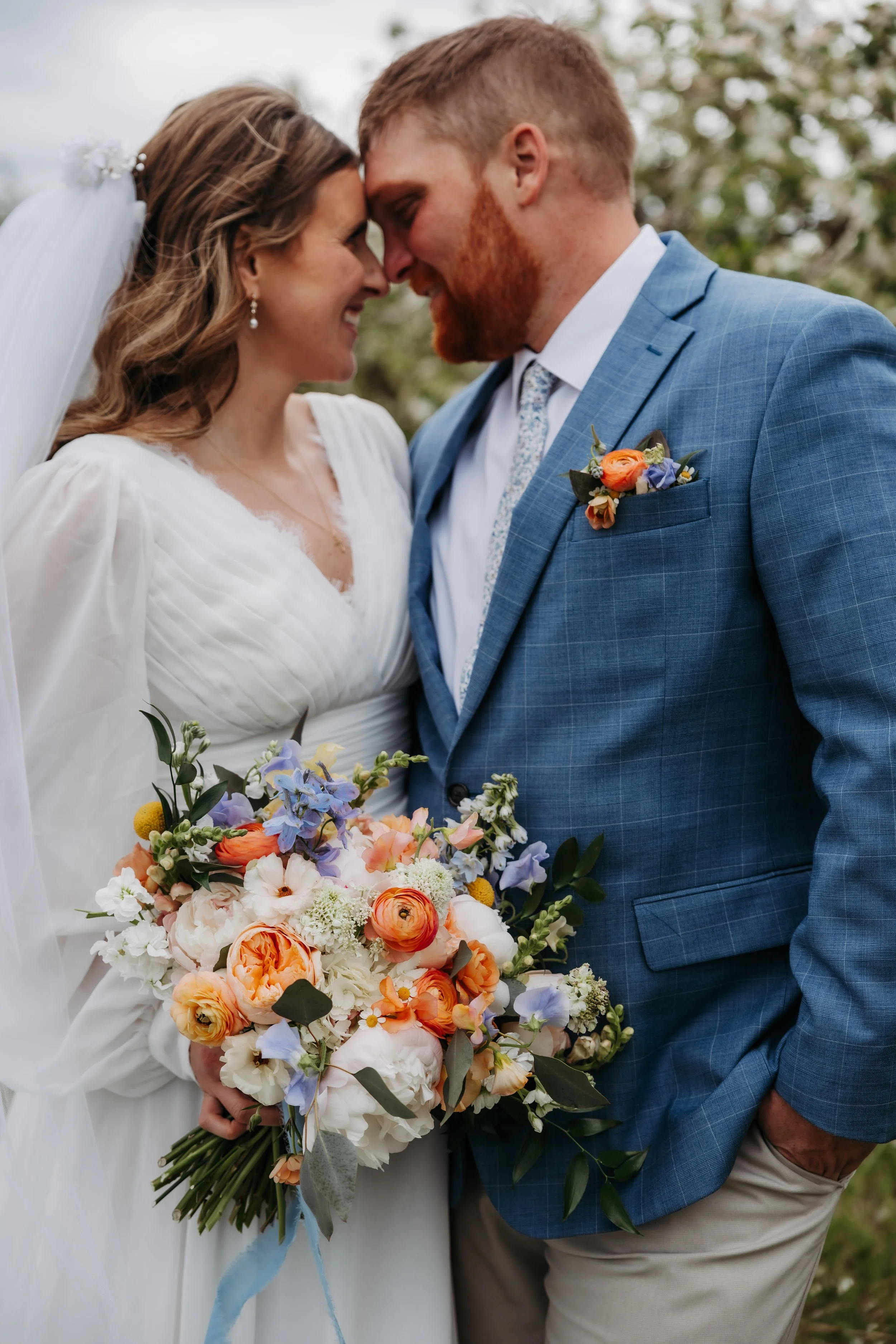
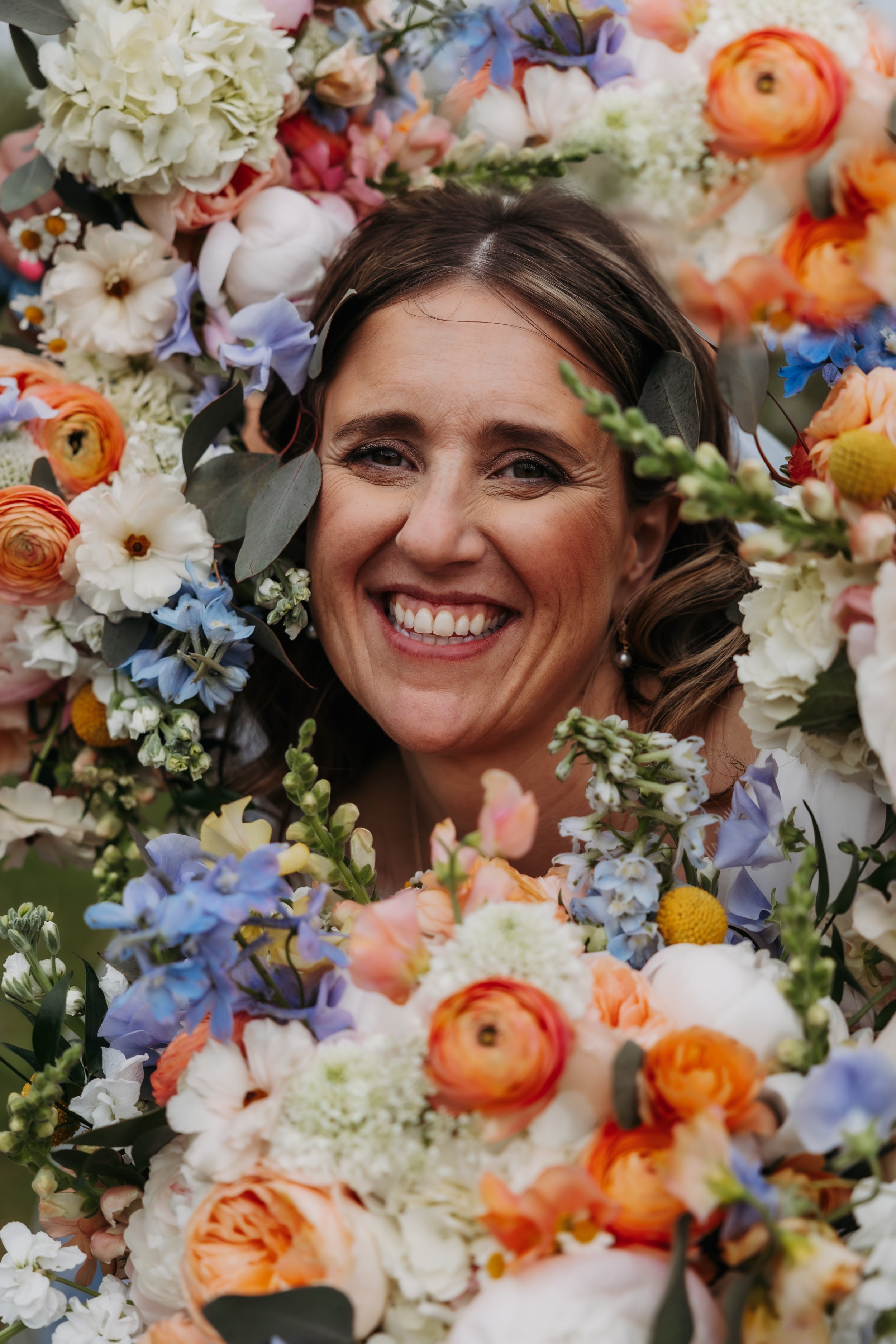
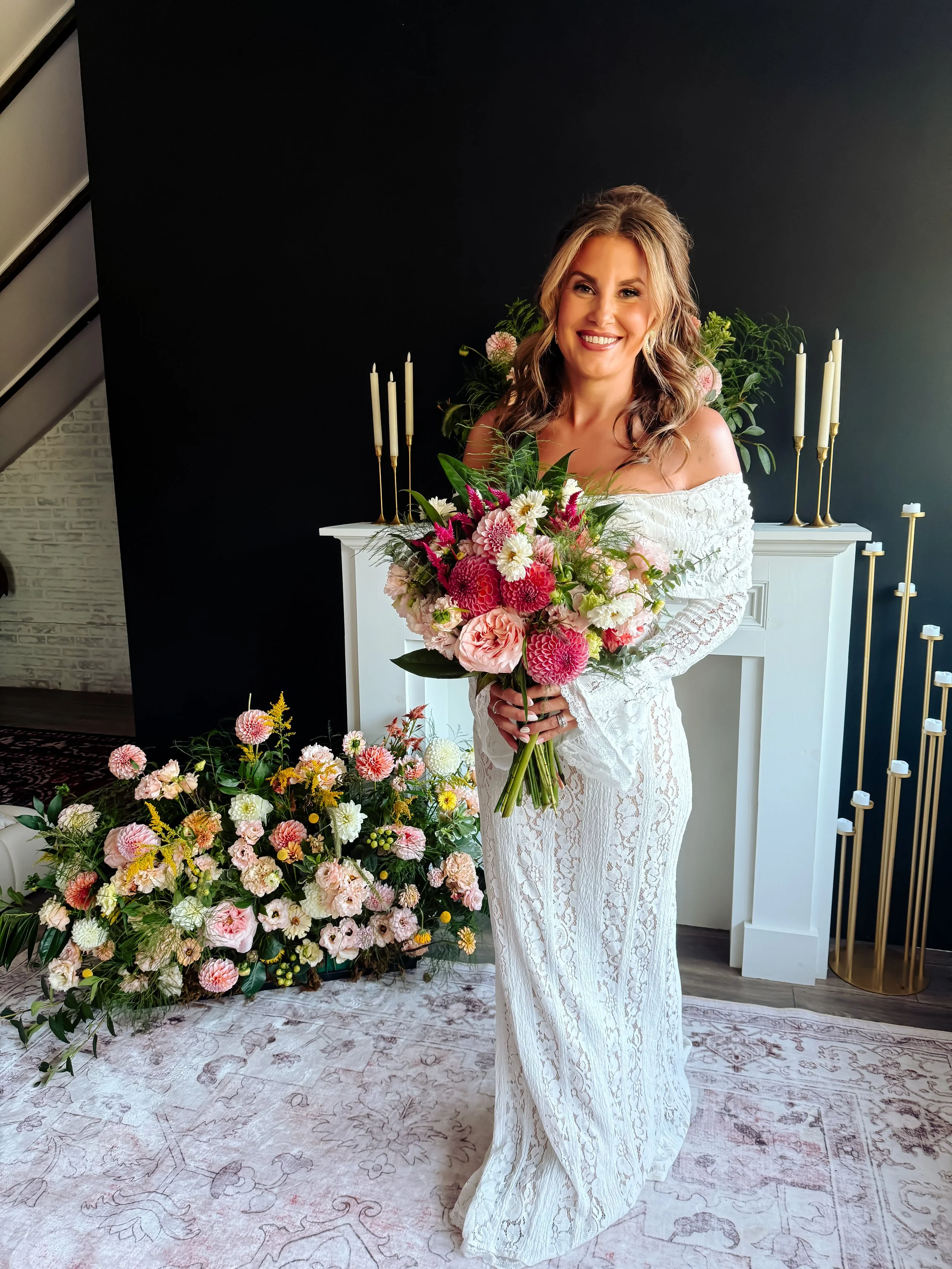
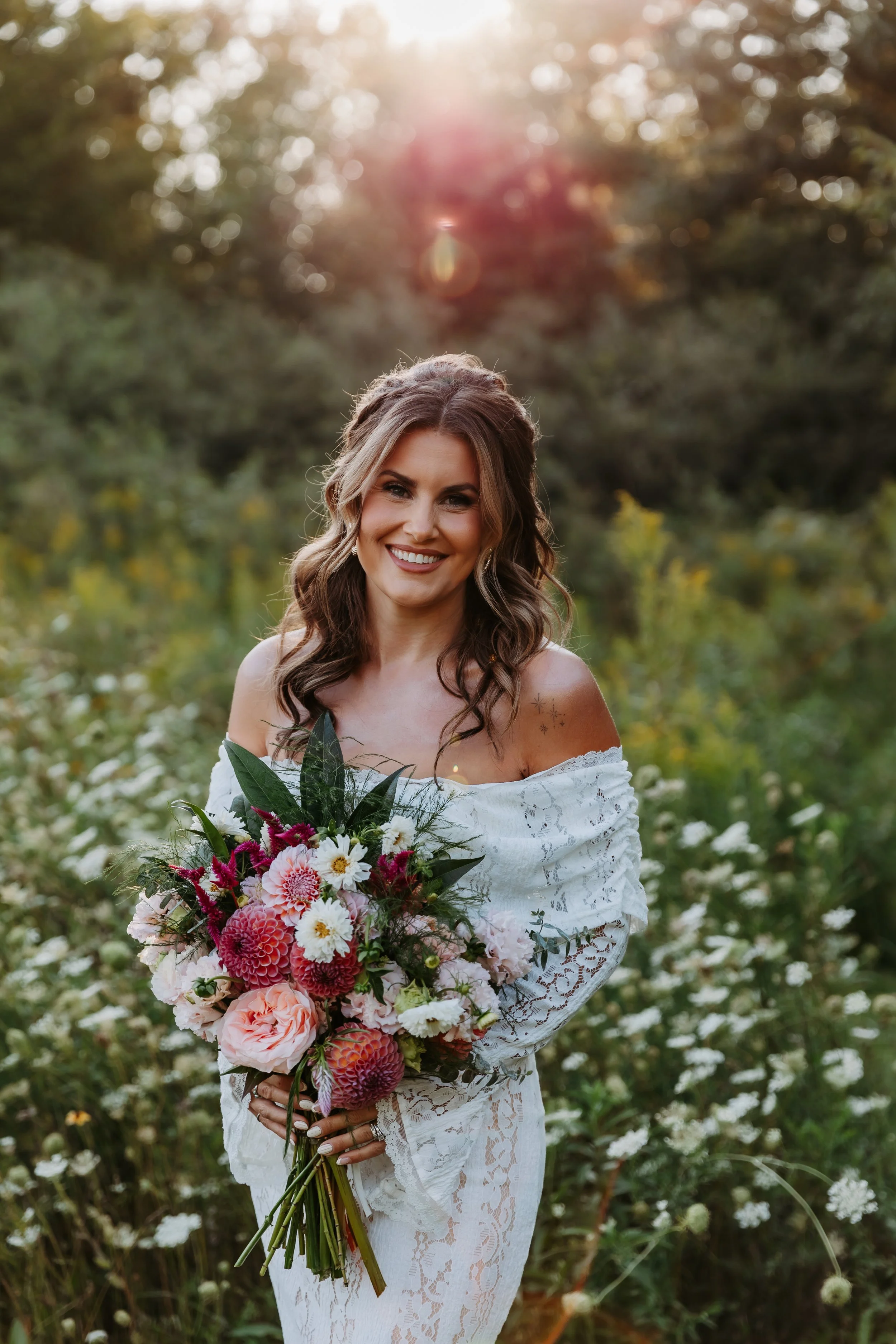
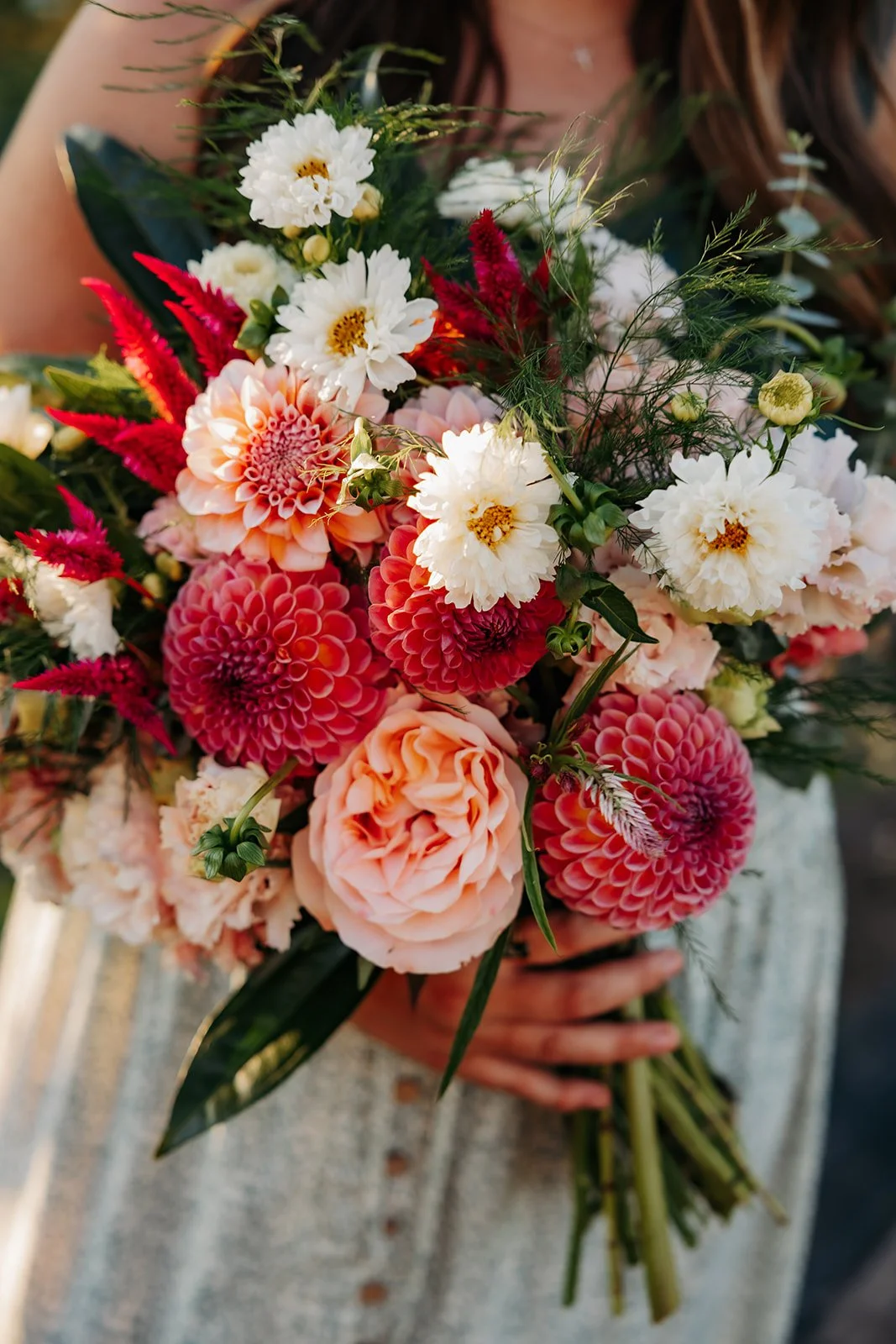
One of the greatest joys of 2025 was working with my brides. Each wedding felt deeply personal, and I don’t take that lightly. I become invested — in your story, your vision, and creating florals that feel like you.
My wedding season began in May with a wedding that will forever hold a special place in my heart — designing for my best friend, who is also my helping-hand assistant and such a big part of the future of Bede’s Blooms + Co. Starting the season that way felt full-circle and grounding, especially in a year that asked so much.
I was so honored to bring each bride’s vision to life, thoughtfully and intentionally. From color palettes to flower choices, every detail mattered — because your day matters. Designing florals for weddings is more than arranging flowers for me; it’s about telling a story through texture, movement, and seasonality.
We closed our wedding season early this year in September, flowering for The Cookes. Their wedding was filled with so much pure love and joy. It was such a blessing to work with them throughout the year — even growing specific varieties of flowers just for their day. That kind of trust is something I hold close, always.




Designing with Care, Always
If there’s one thing 2025 reinforced, it’s this: quality and care will always come first in my work.
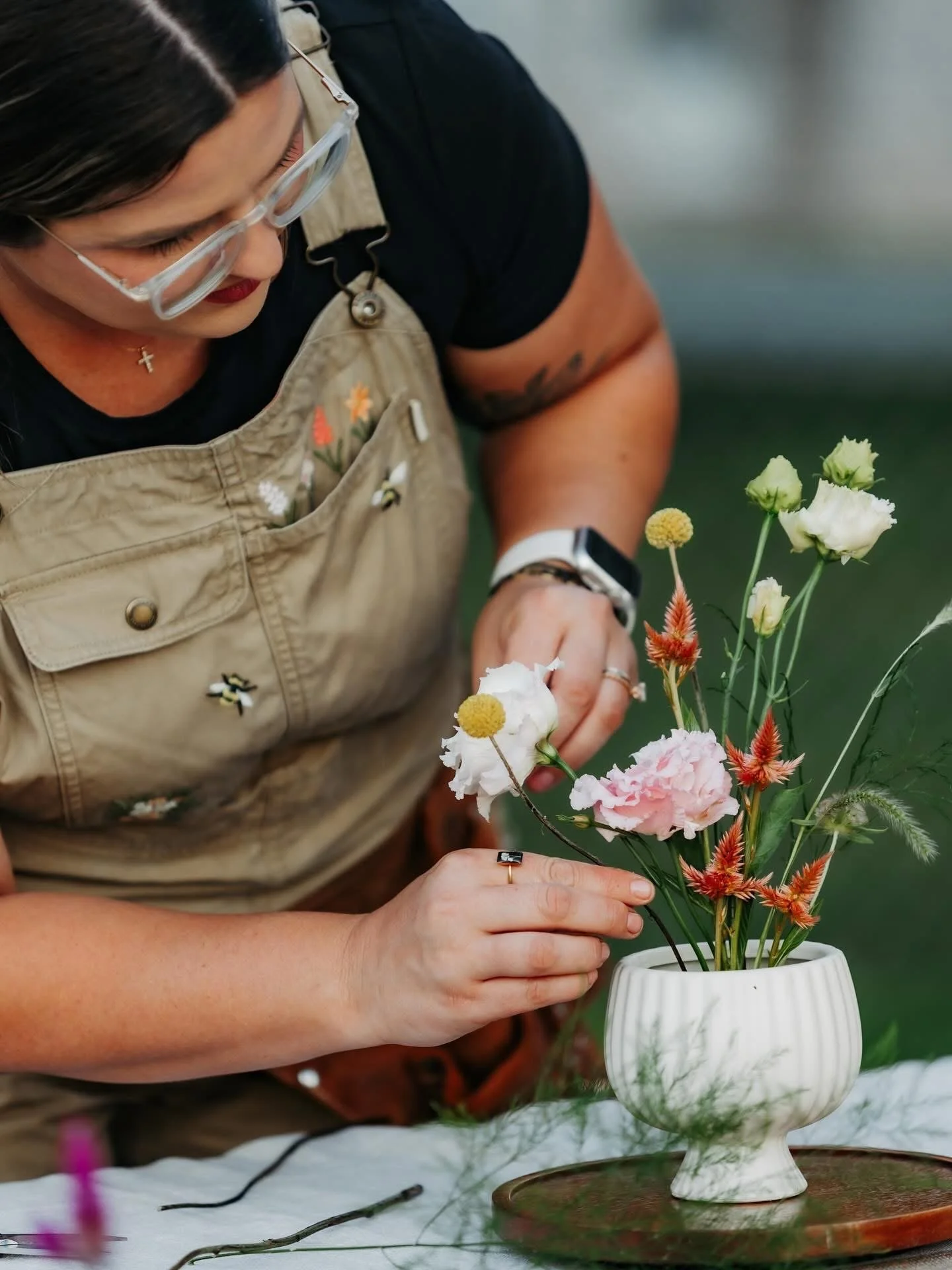
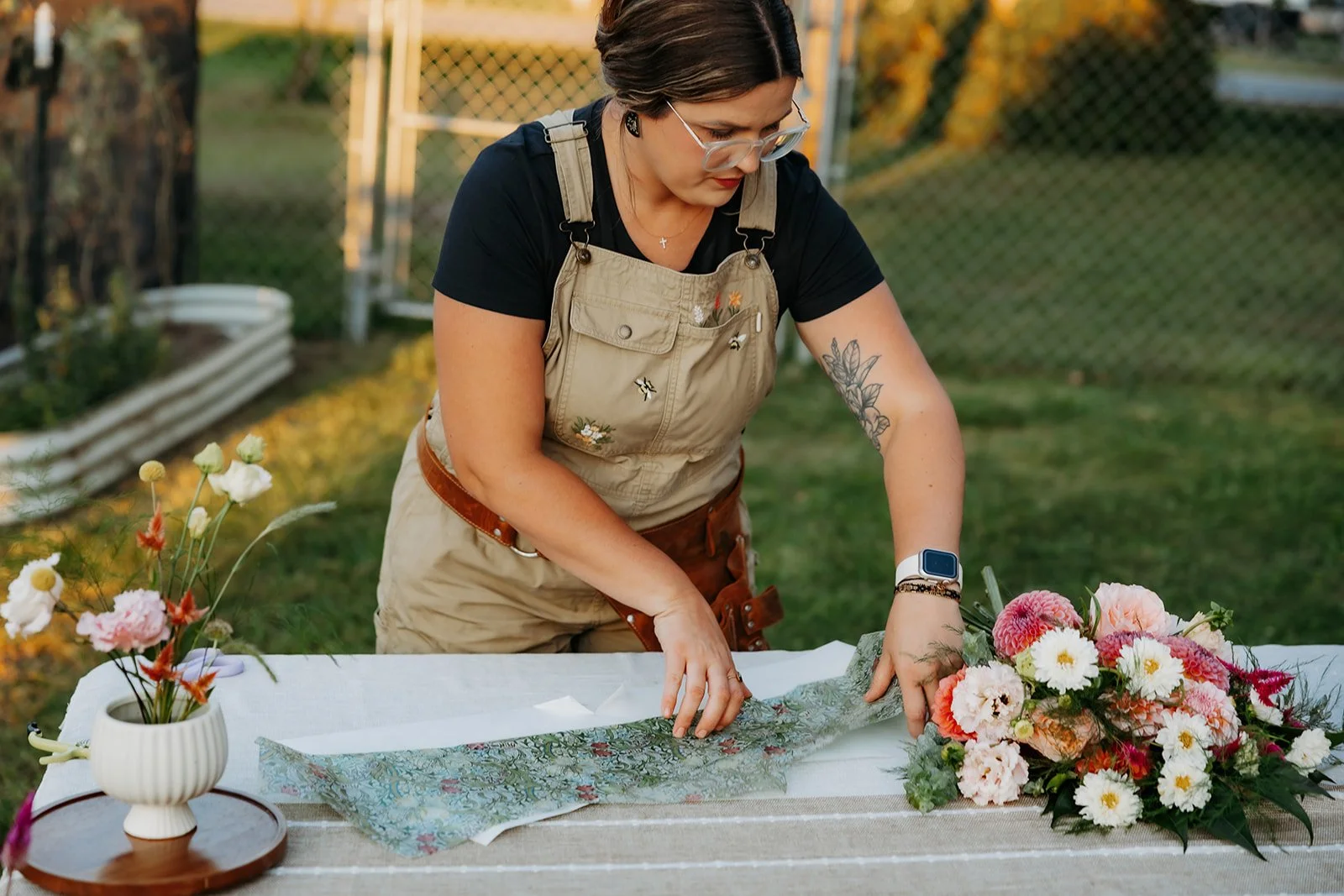
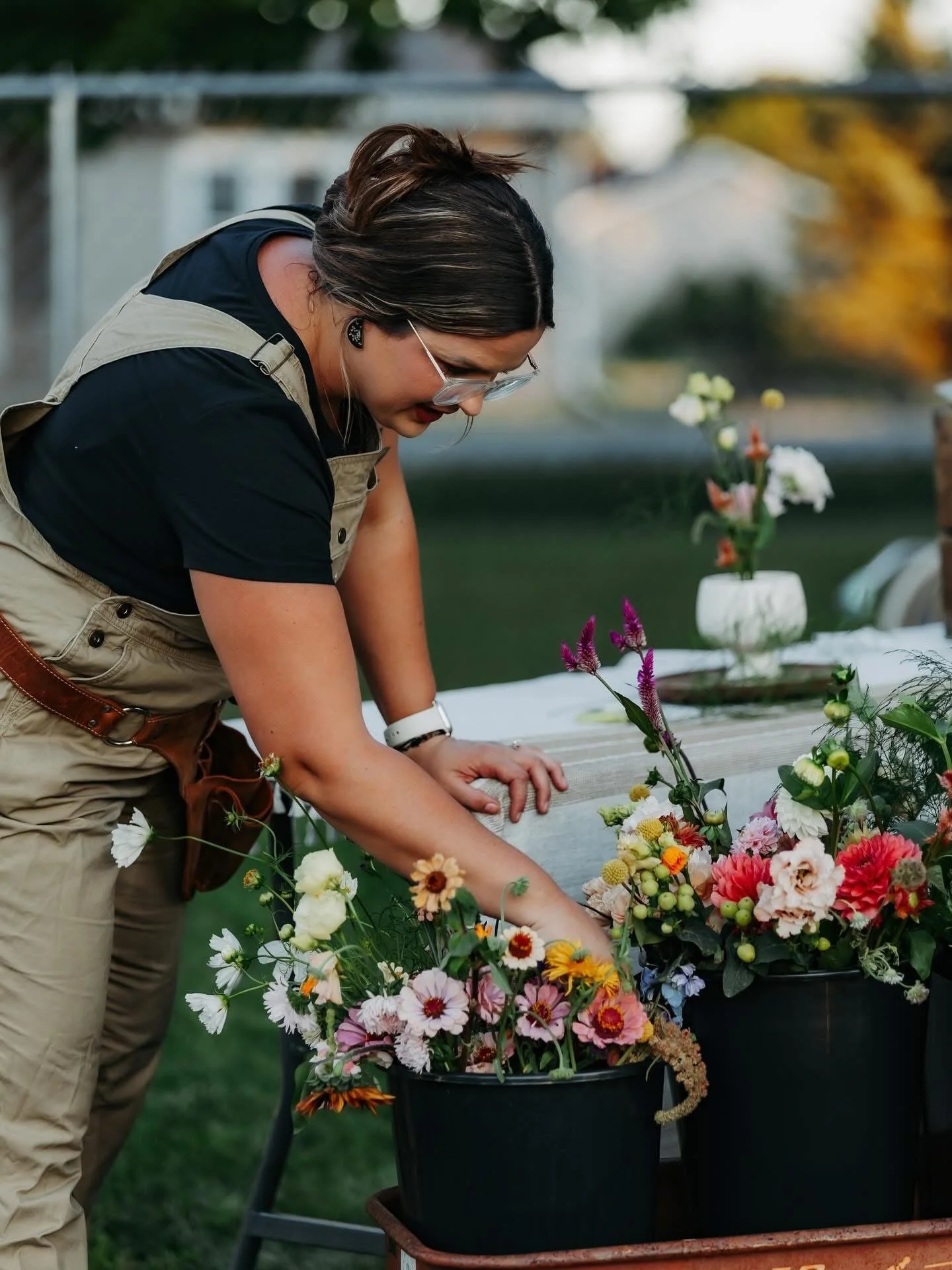
When you work with me as your floral designer, you’re not just choosing flowers — you’re choosing intention, craftsmanship, and a designer who truly cares. I believe flowers should feel thoughtful, personal, and well-loved. Every stem is chosen with purpose. Every arrangement is designed with care.
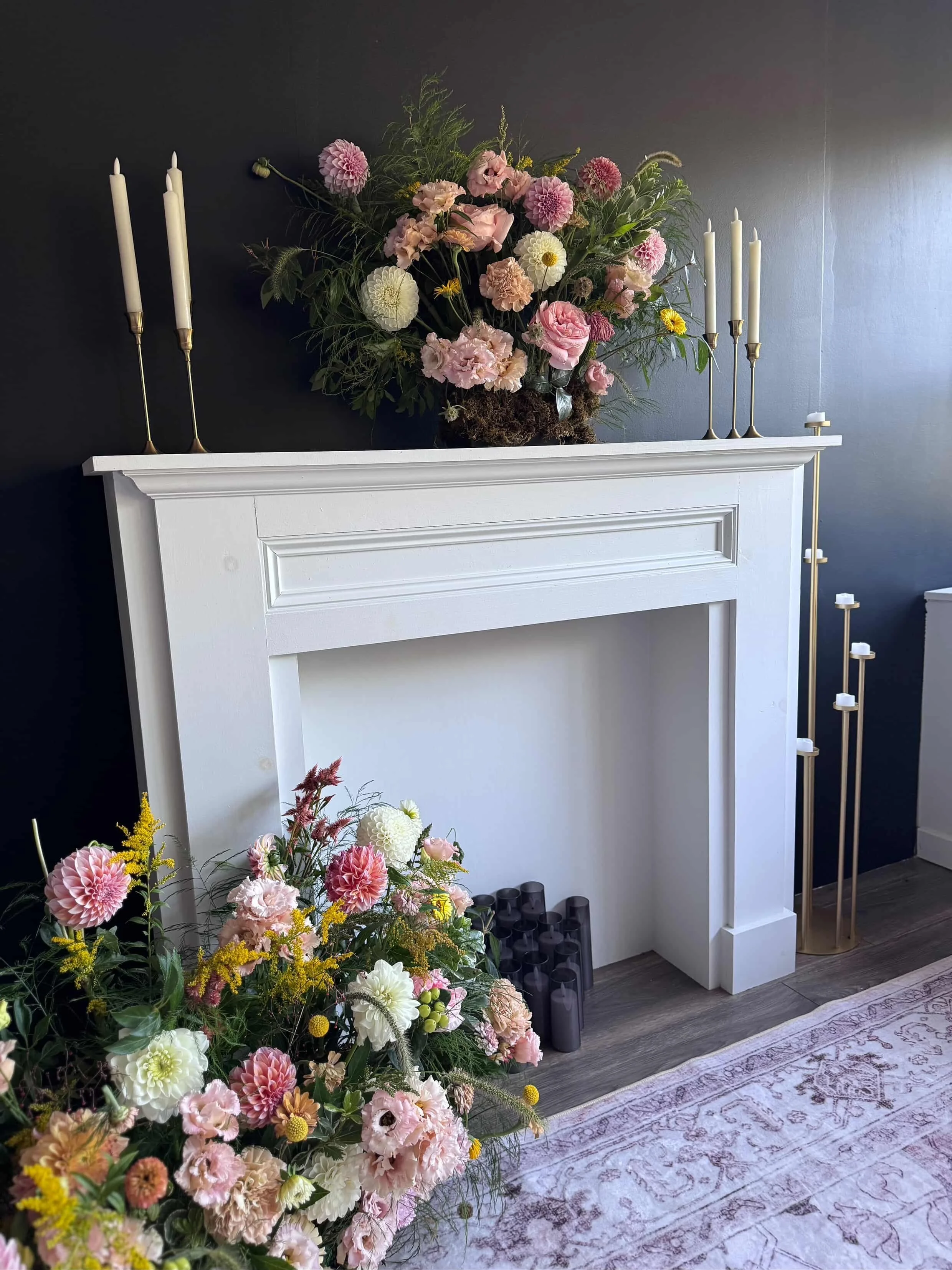
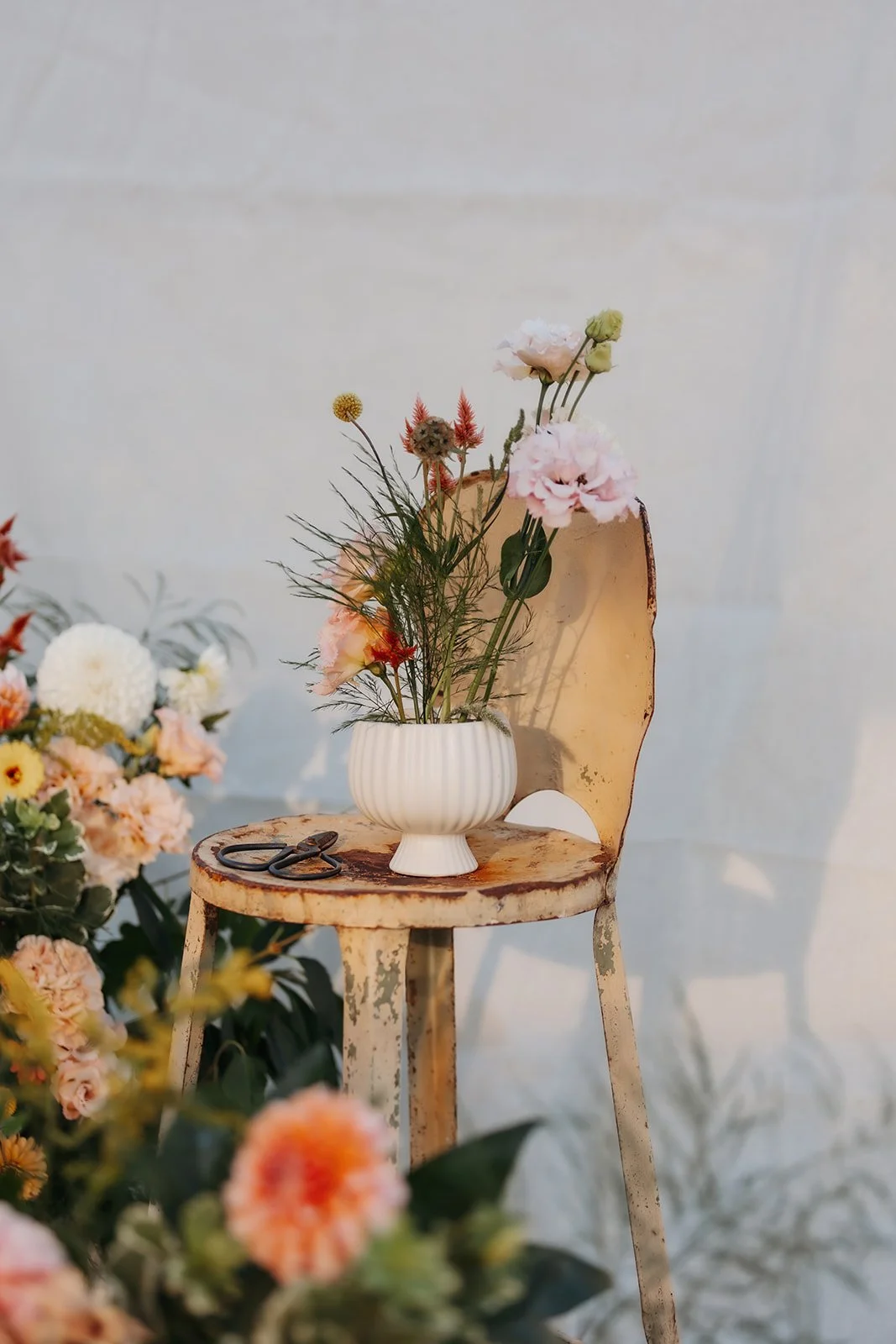
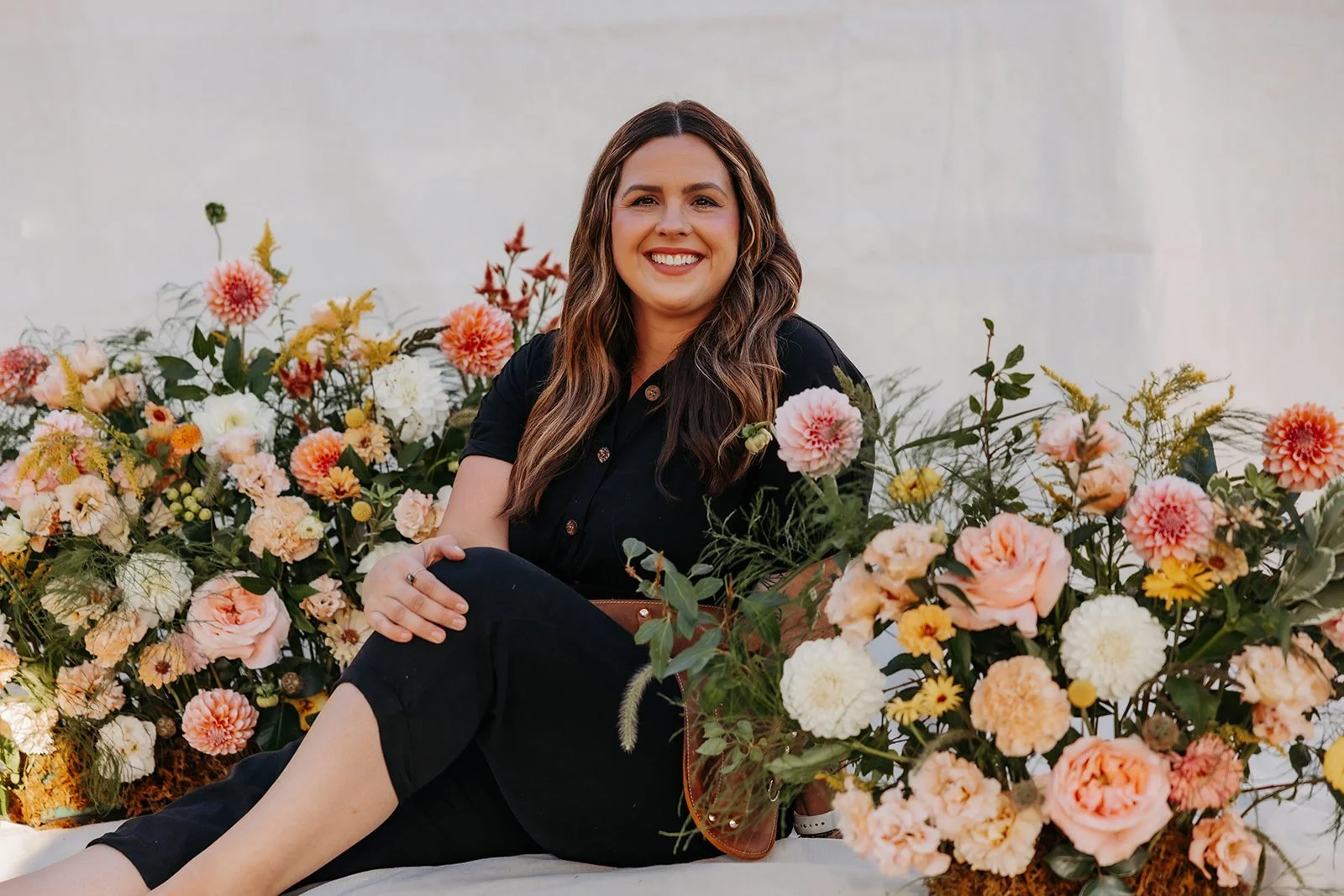
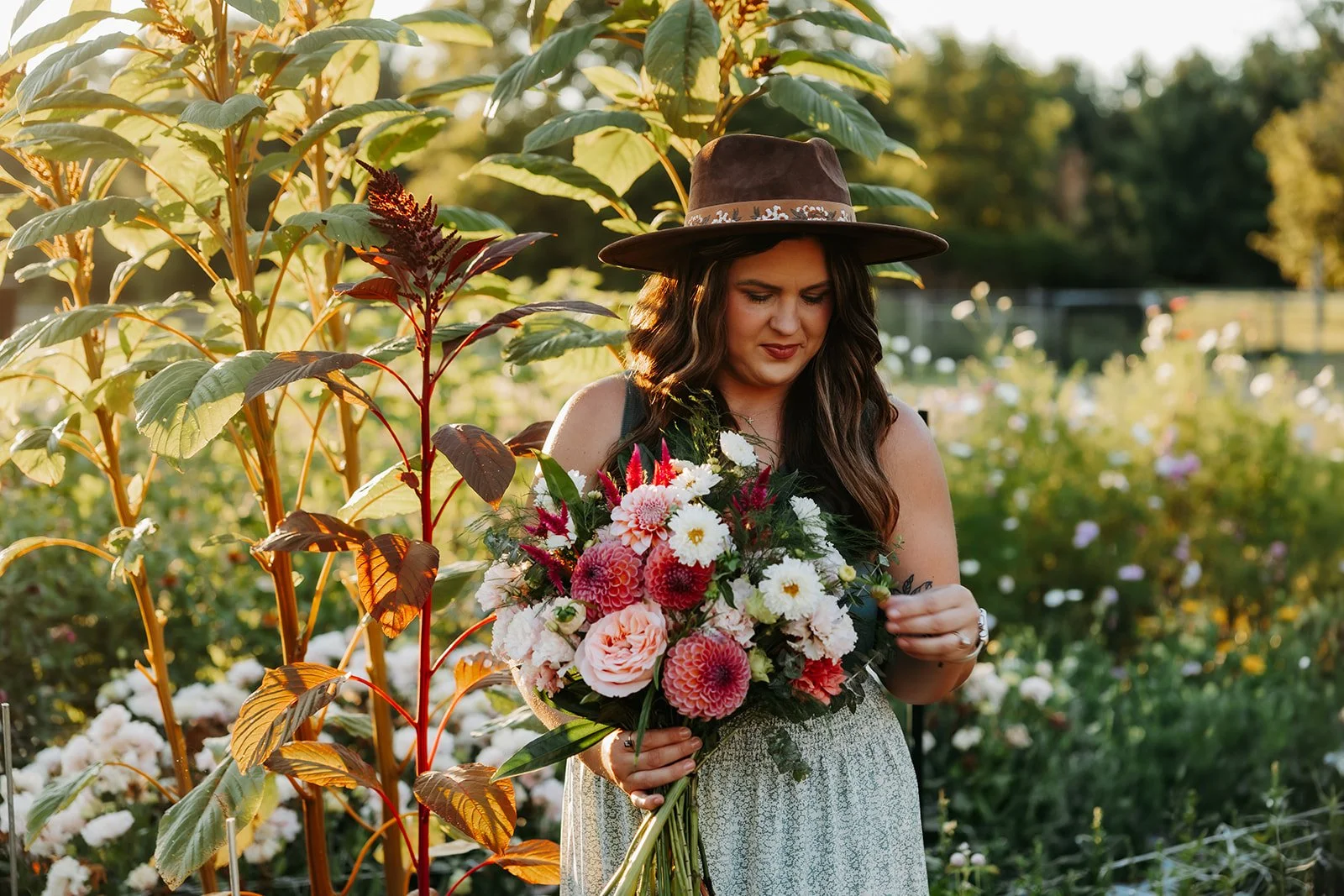
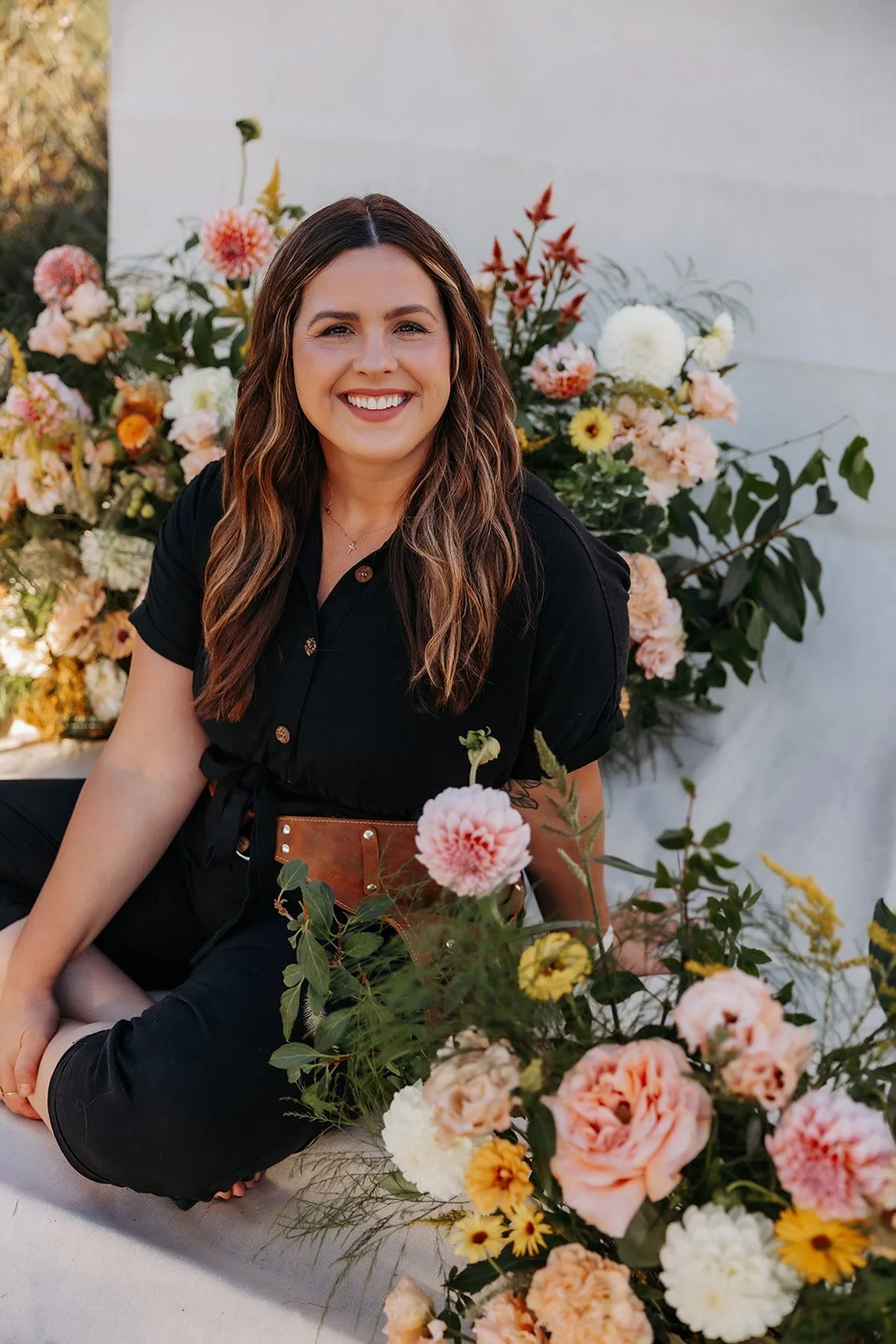
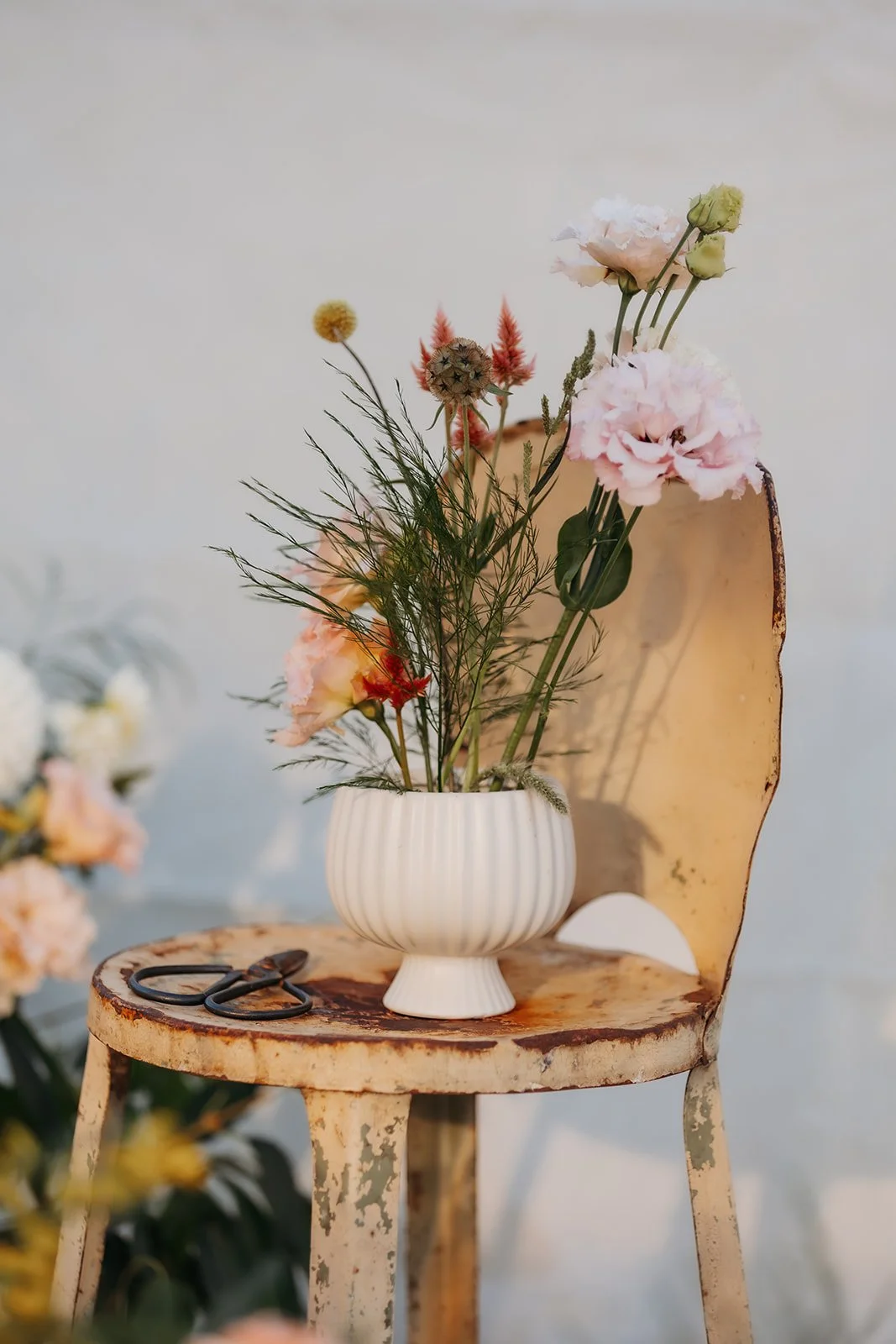
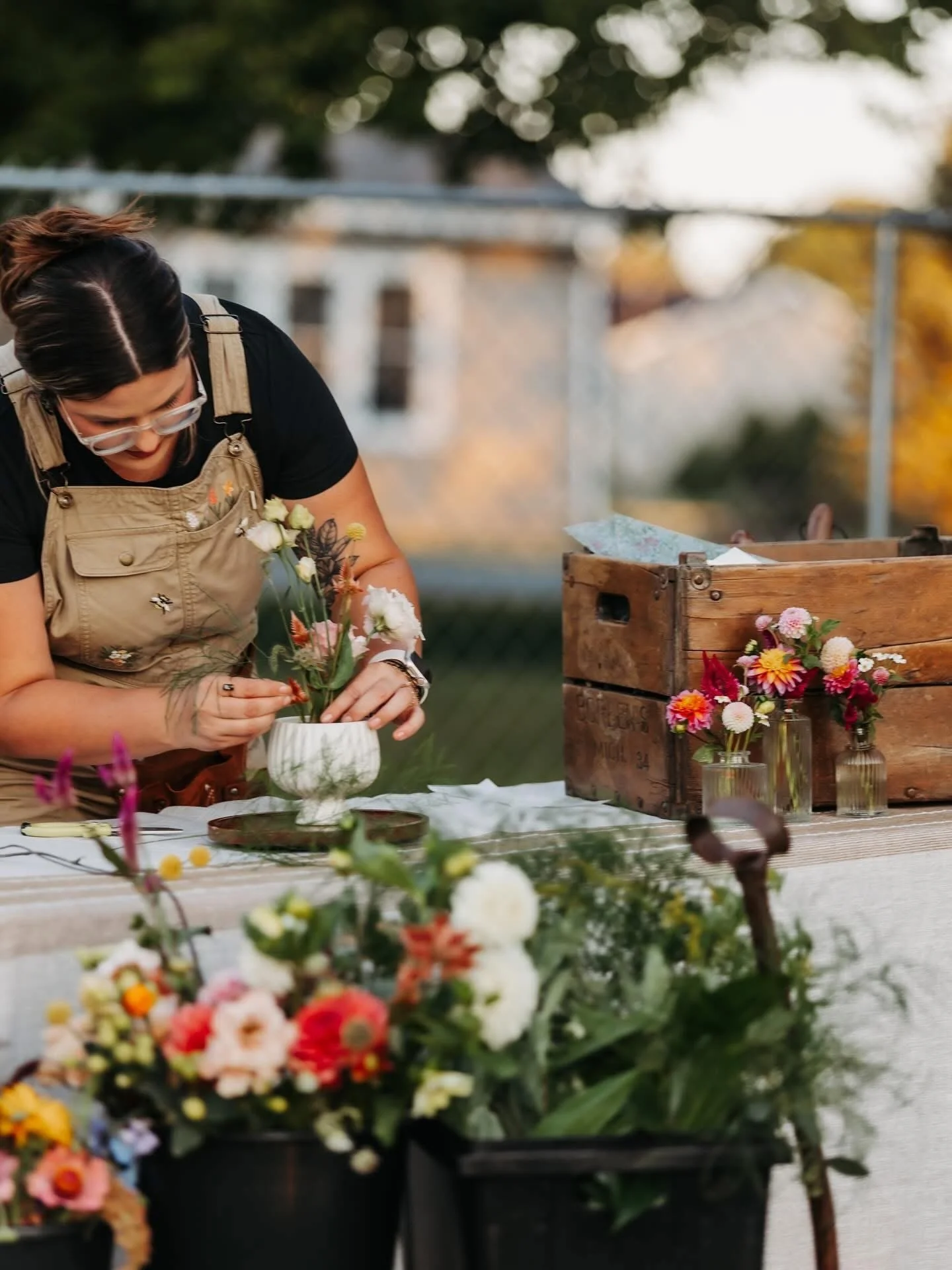
This year also brought opportunities to collaborate creatively through styled photo shoots and collaborations with incredibly talented Michigan photographers. These moments of creativity reminded me how much I love pushing design, playing with color, and telling visual stories. I look forward to doing more styled shoots in the future — creating, experimenting, and collaborating with other local creatives.
Sustainability Looks Like Balance
Another lesson 2025 taught me is that sustainability isn’t just about how we grow flowers — it’s about how we care for the people growing them.
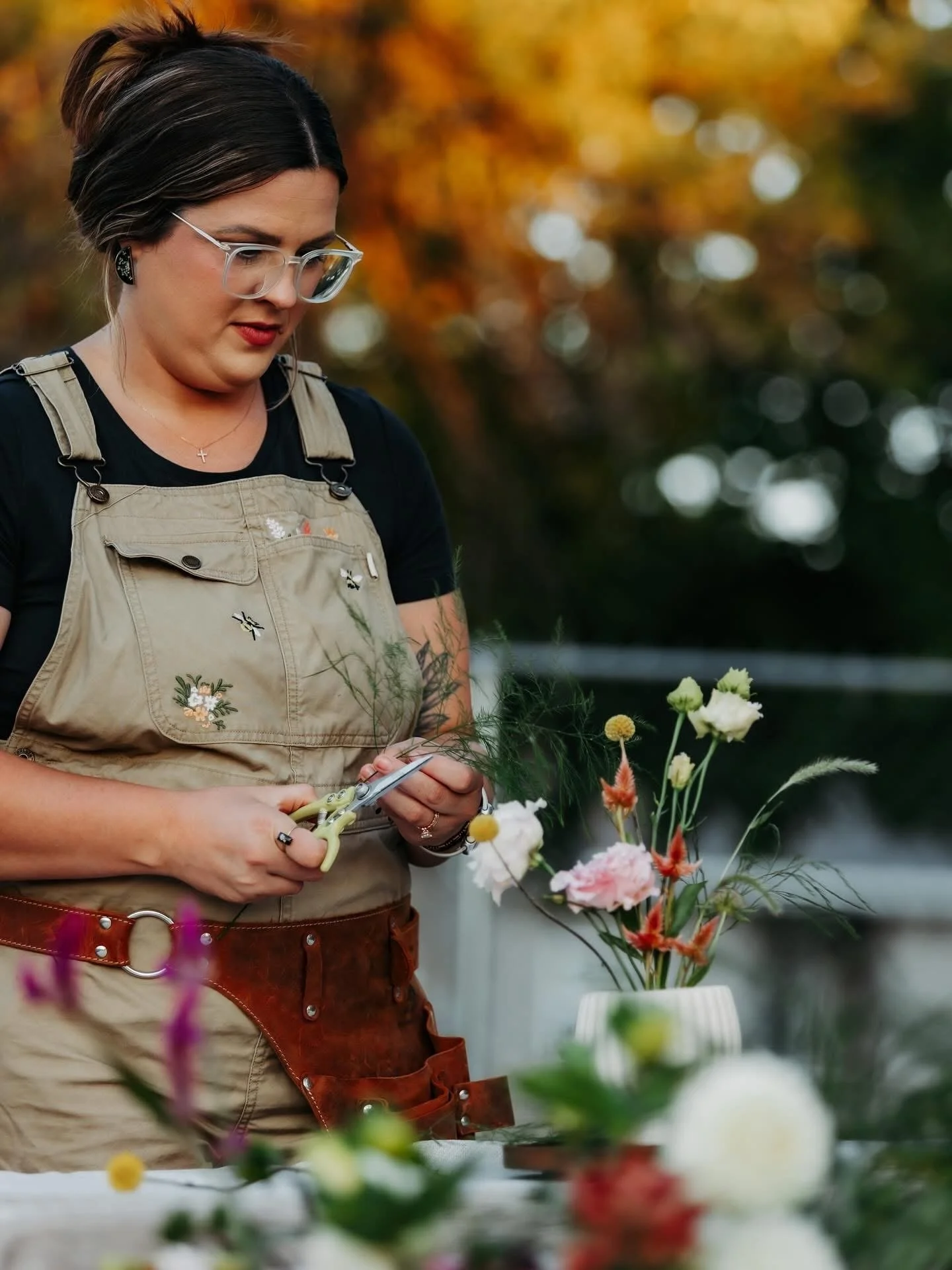
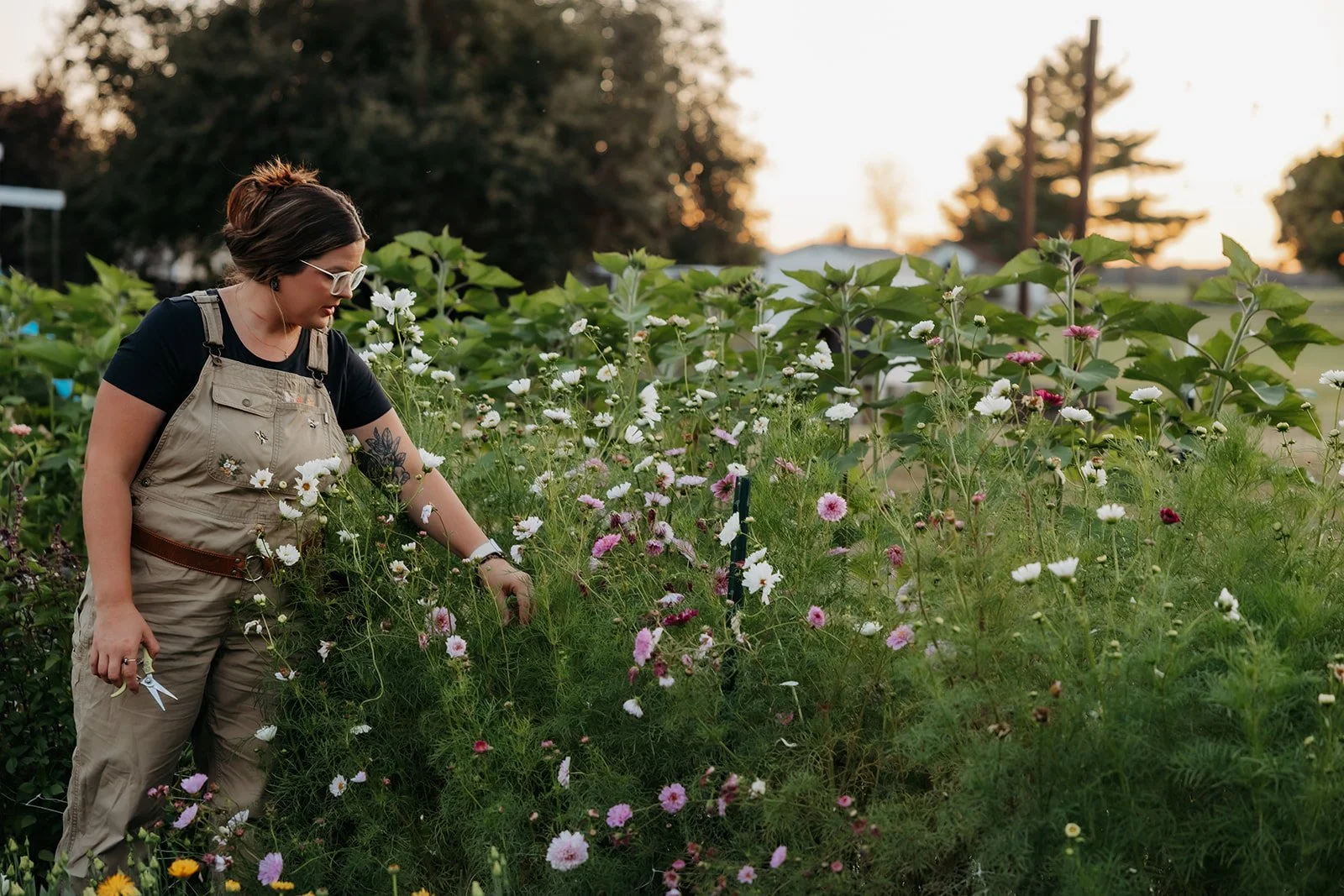
Bede’s Blooms + Co. is a small, intentional micro flower farm. We grow on just over a quarter of an acre, and every stem requires hands-on care — planting, weeding, harvesting, conditioning, designing. Flower farming is deeply rewarding, but it is also incredibly labor intensive, even at a small scale.
Balancing this work alongside a corporate career I truly love has required honesty about capacity. My corporate role is something I’m proud of and invested in growing, and honoring both paths means being thoughtful about what I take on — and what I don’t.
This is where simplification becomes essential. Not because the work isn’t meaningful — but because I want to continue doing it well, without burnout, resentment, or depletion. Sustainability, for me, means creating flowers with joy and intention, while also protecting the energy that allows this business to thrive long-term.
Community, Connection & Gratitude
Beyond weddings, 2025 was a year of deep community connection.
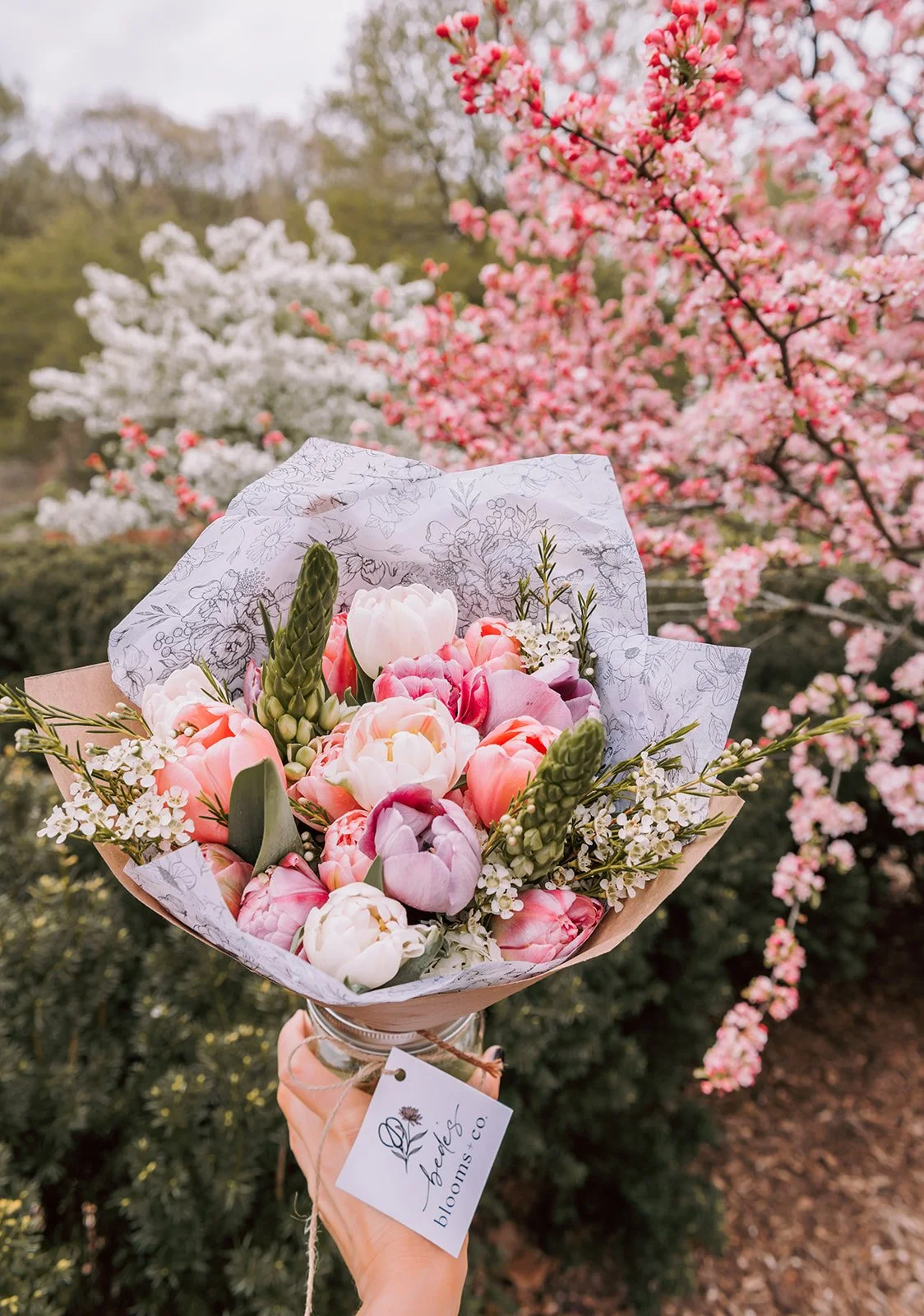
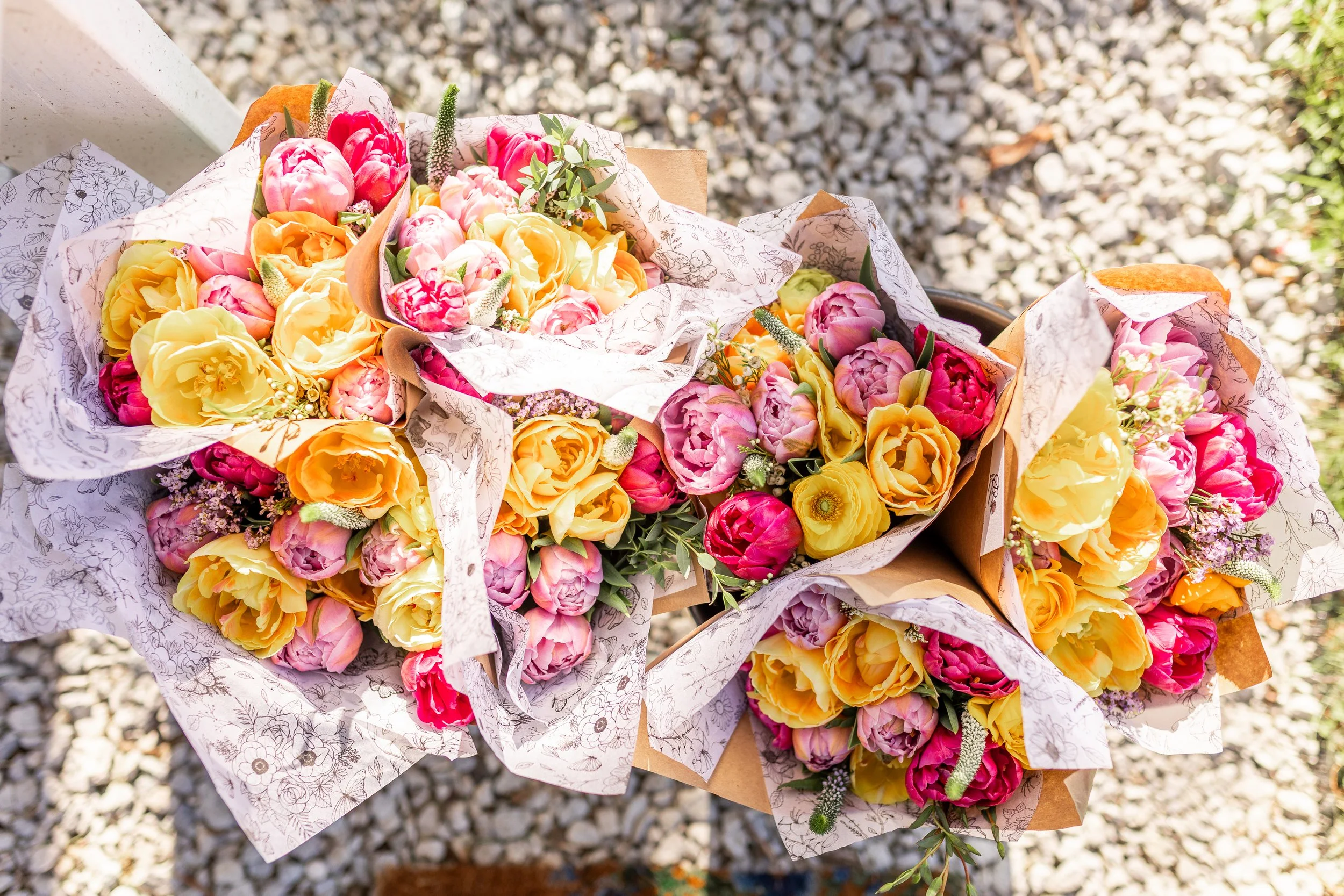
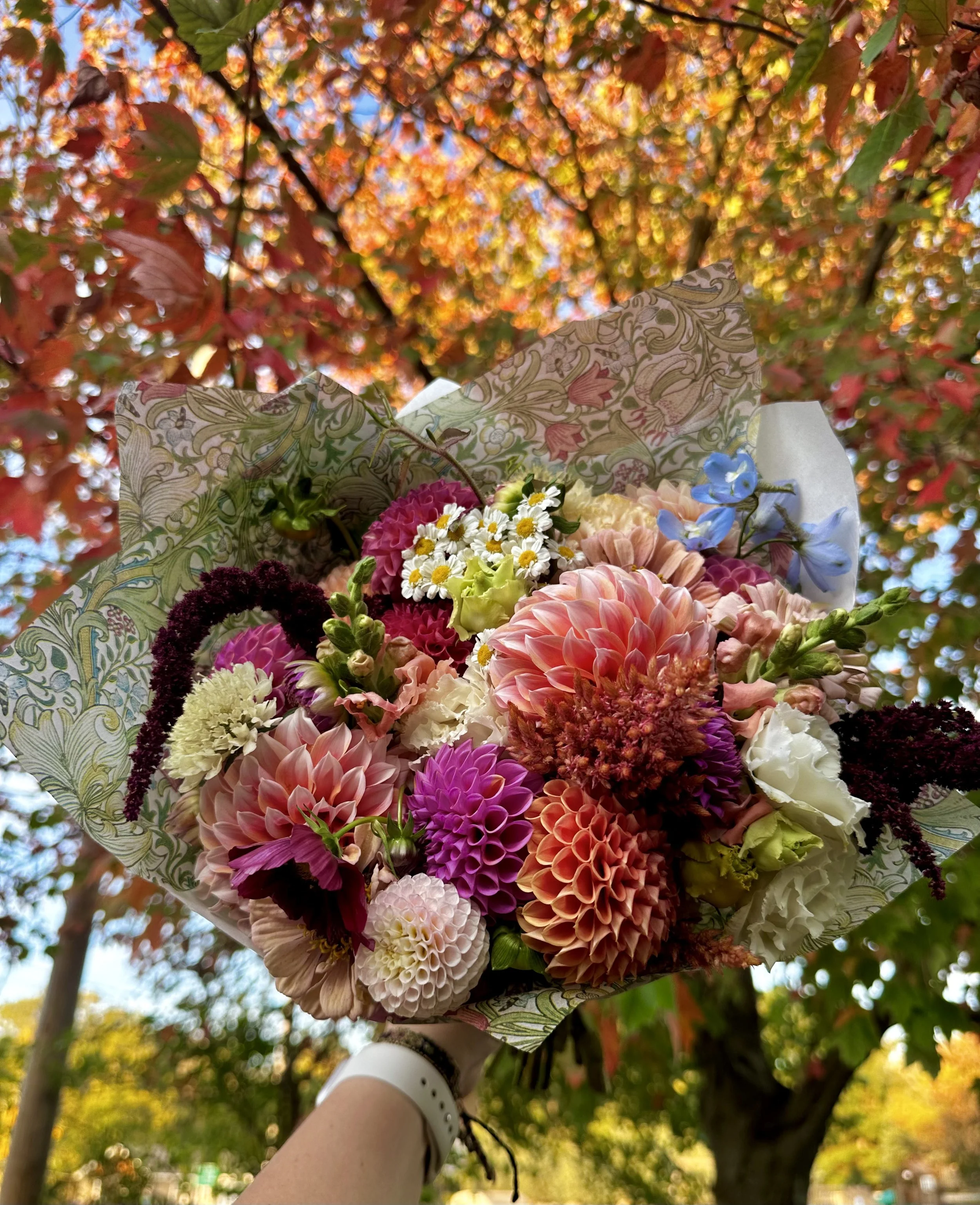
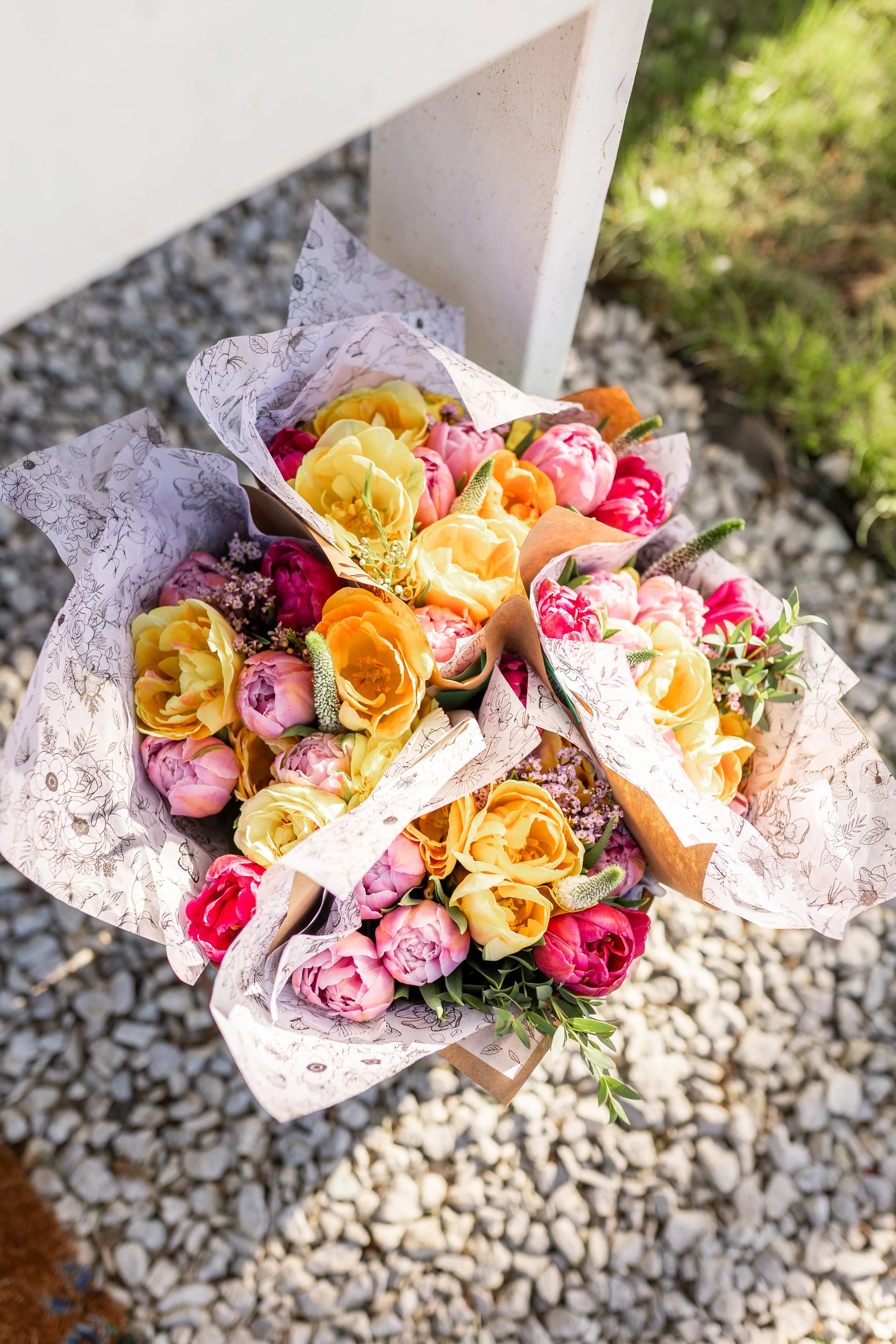
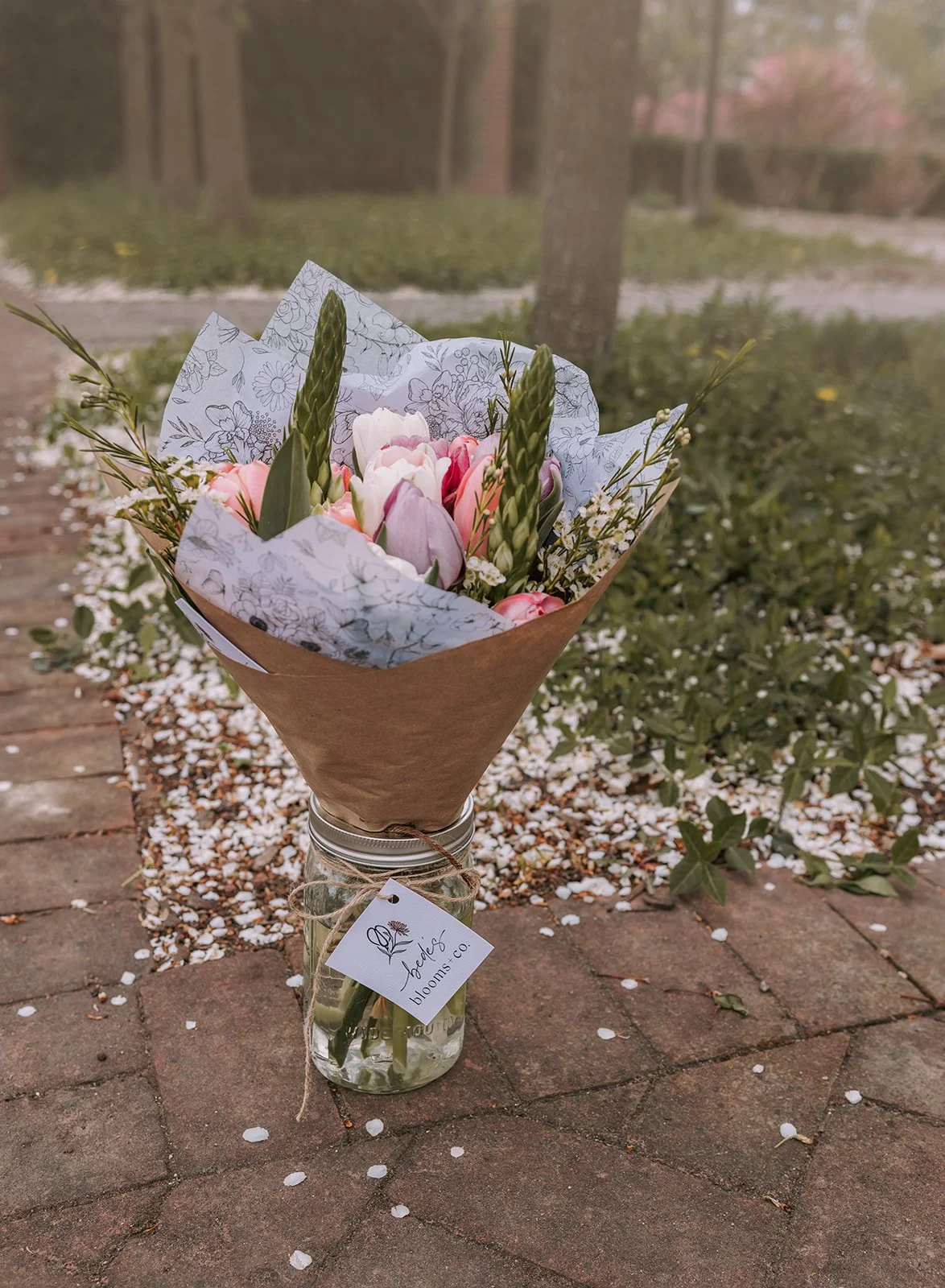
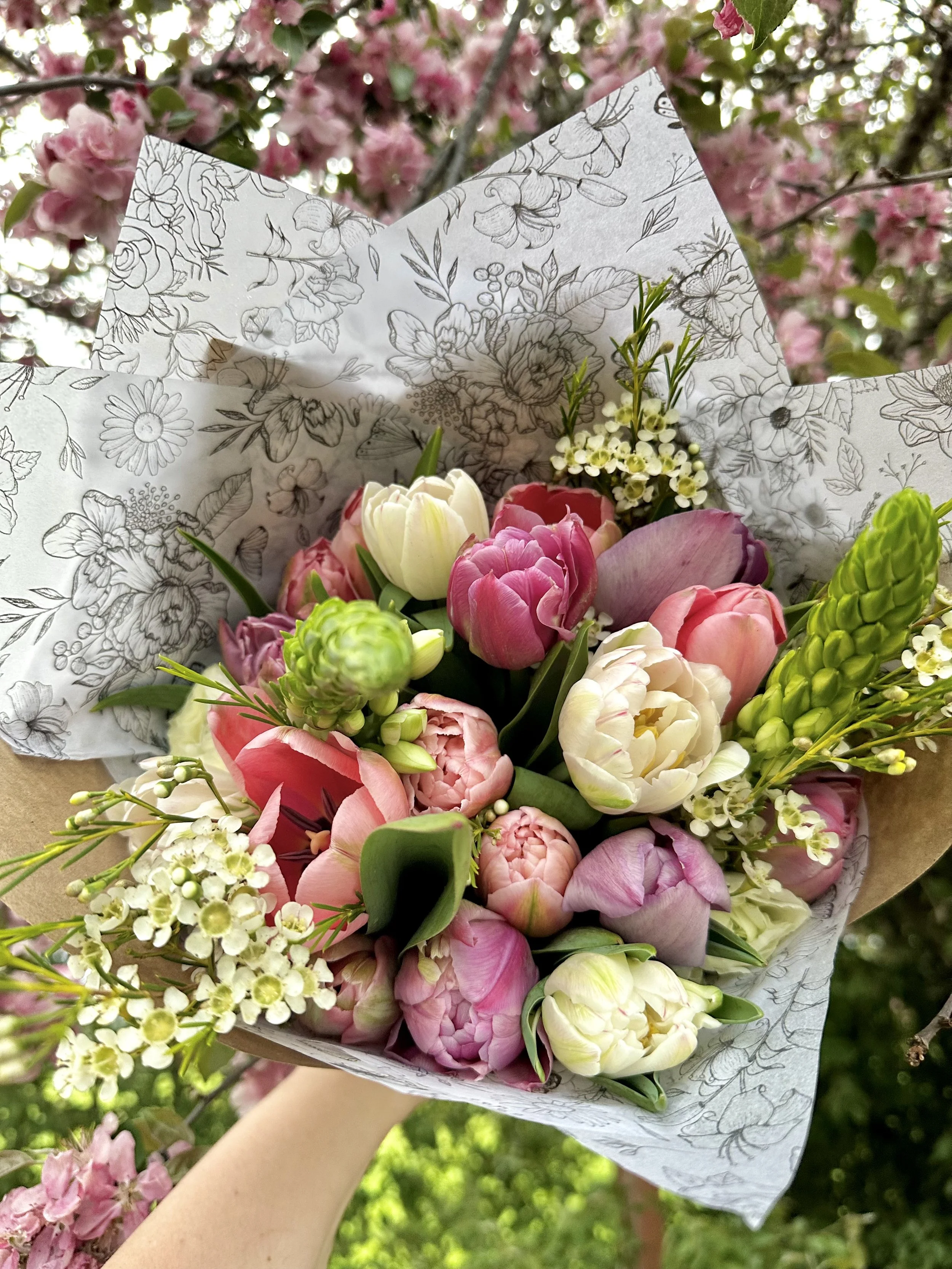
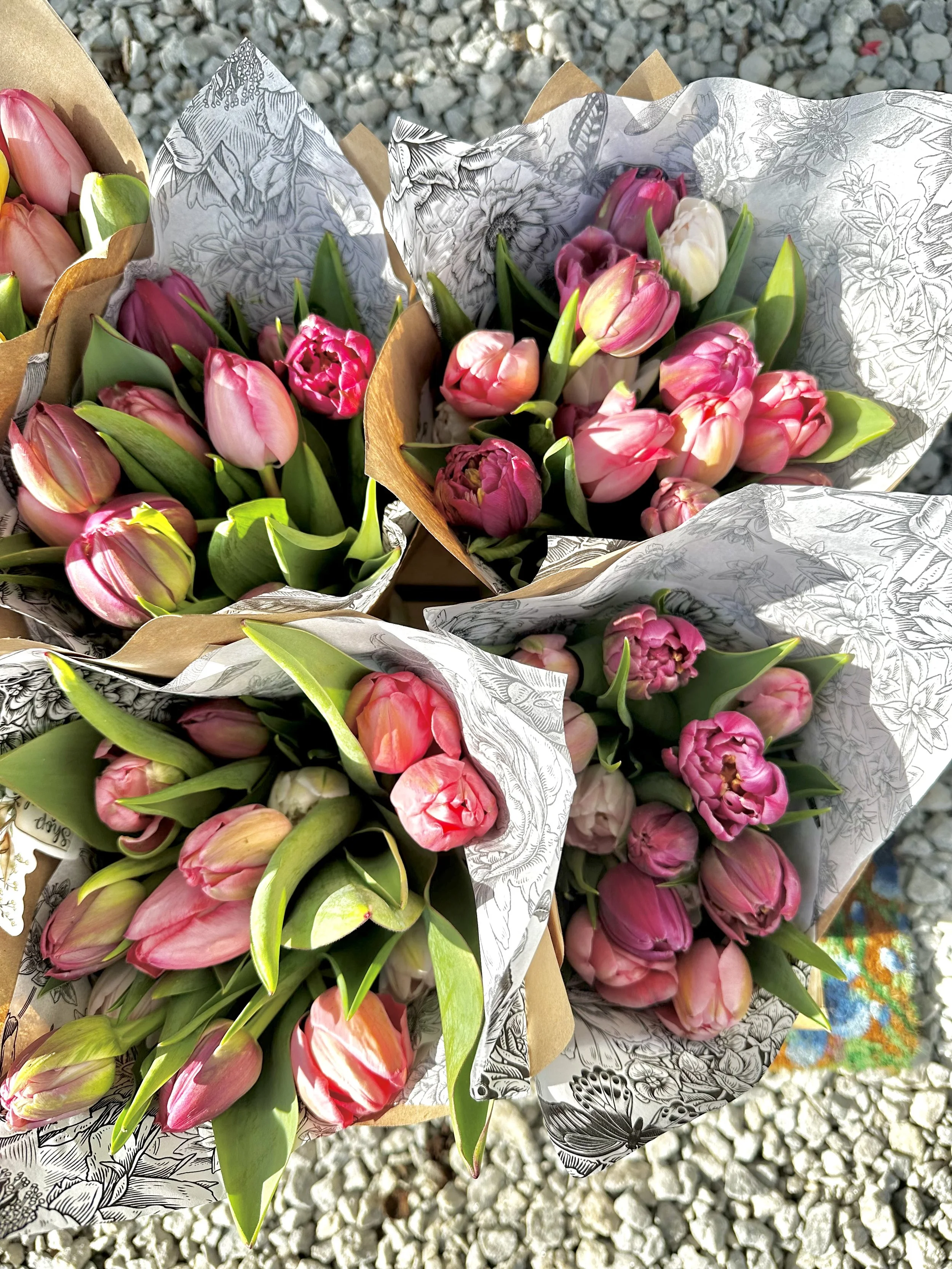
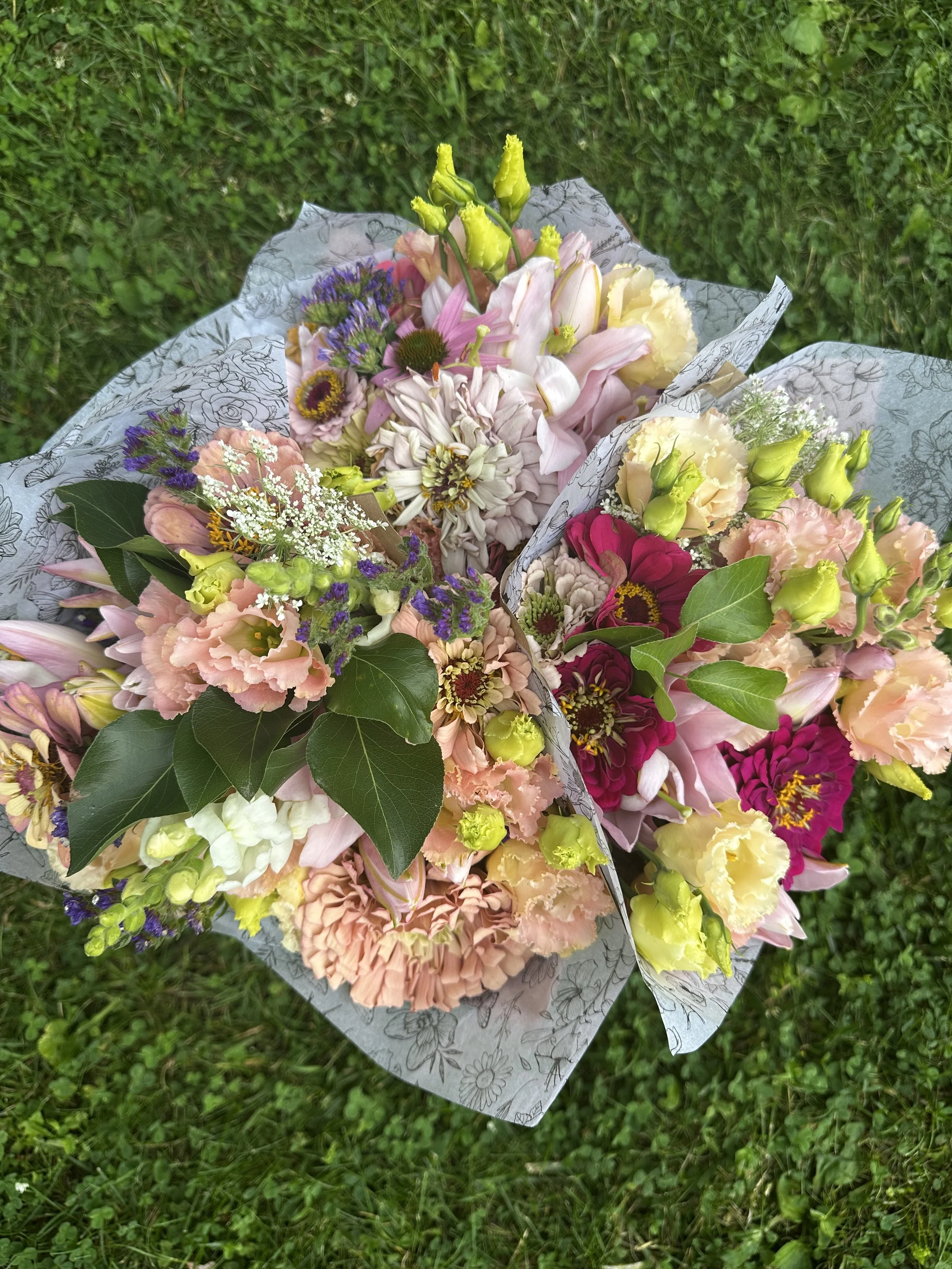
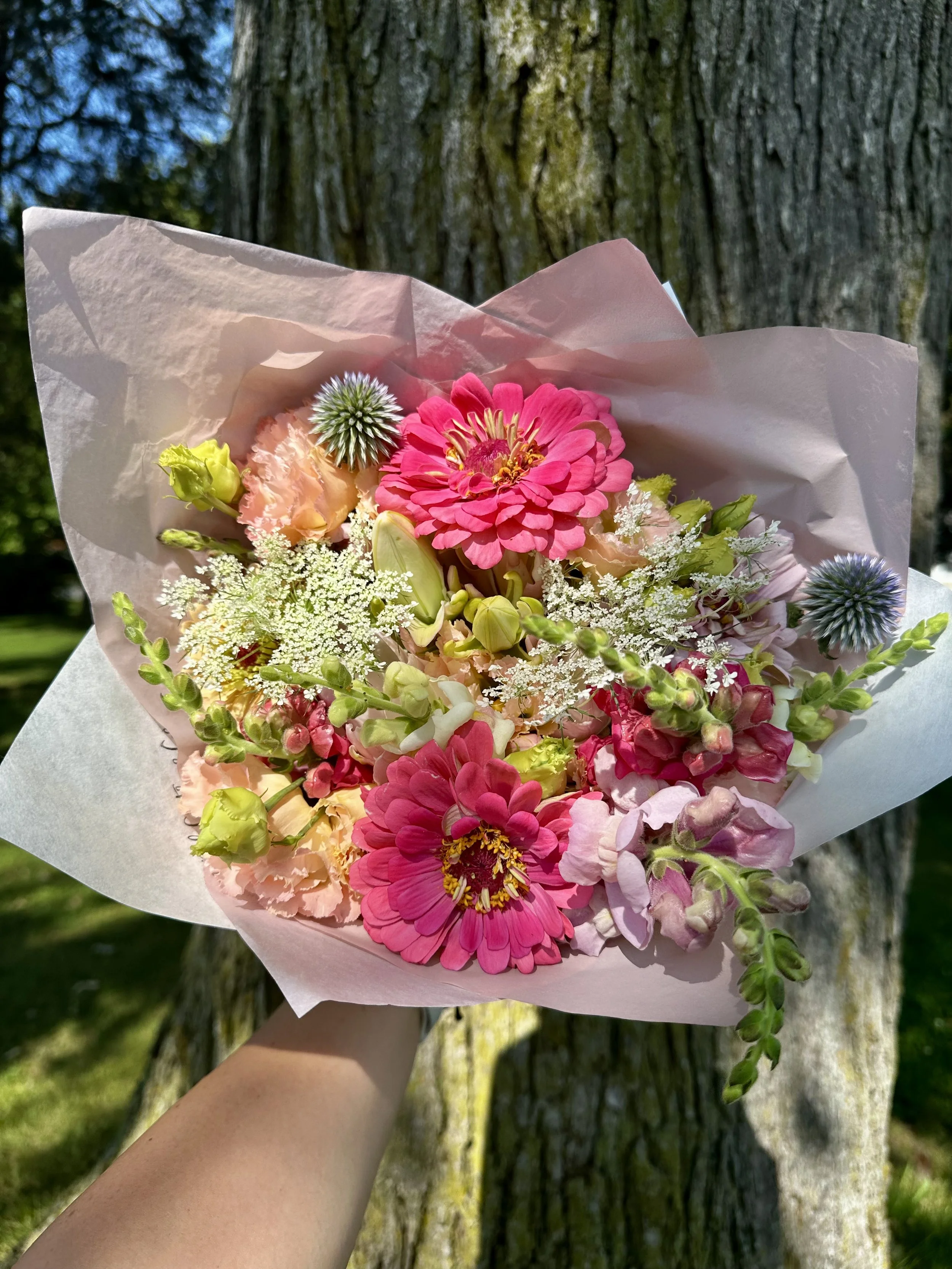
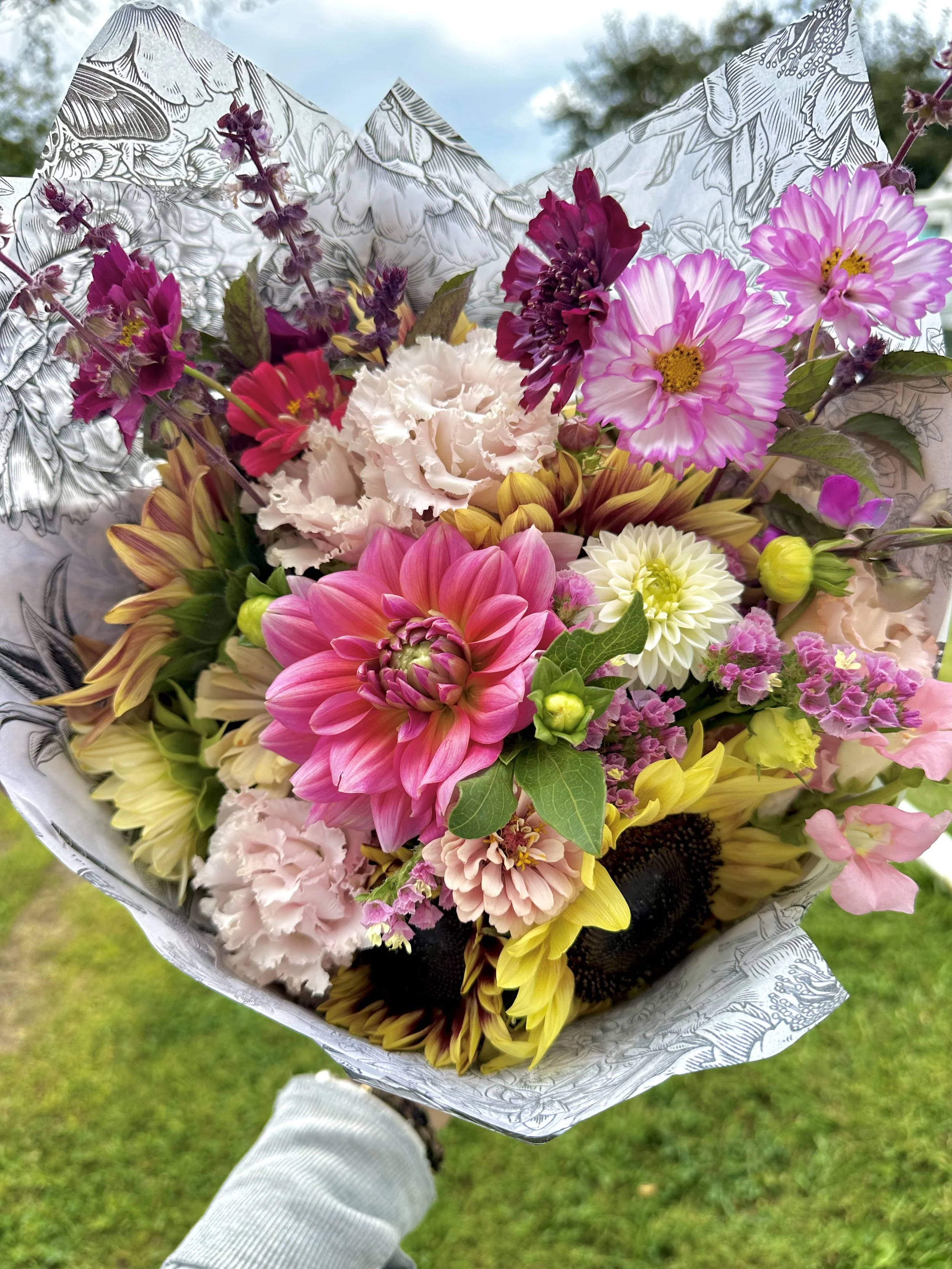
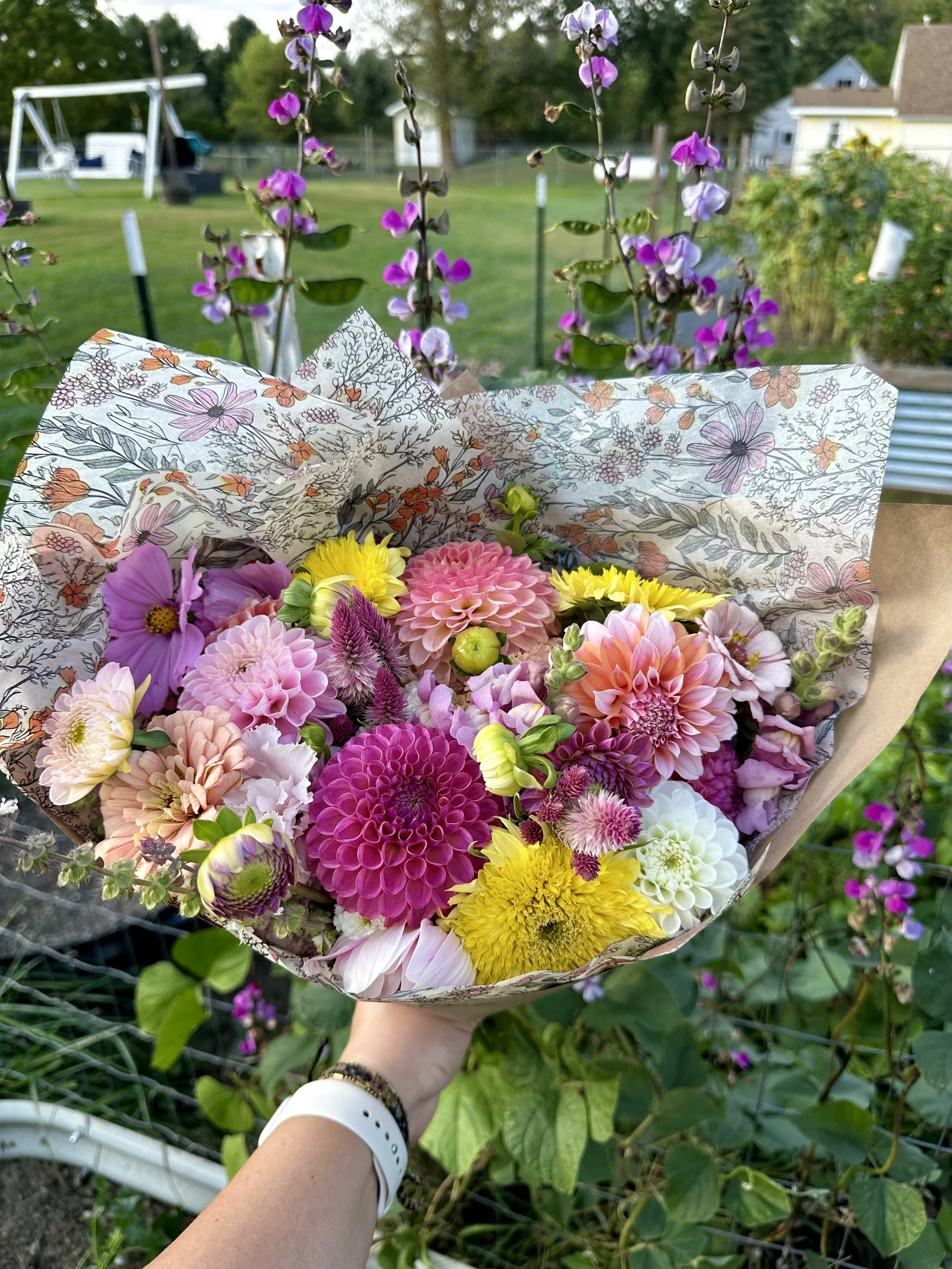
We partnered with more local businesses to bring fresh flowers into their shops weekly, expanded our CSA flower subscriptions, and delivered more blooms into homes and hearts throughout our community. Our custom orders grew exponentially — from remembrance events and celebrations of life, to baby showers, wedding showers, birthdays, and everything in between.
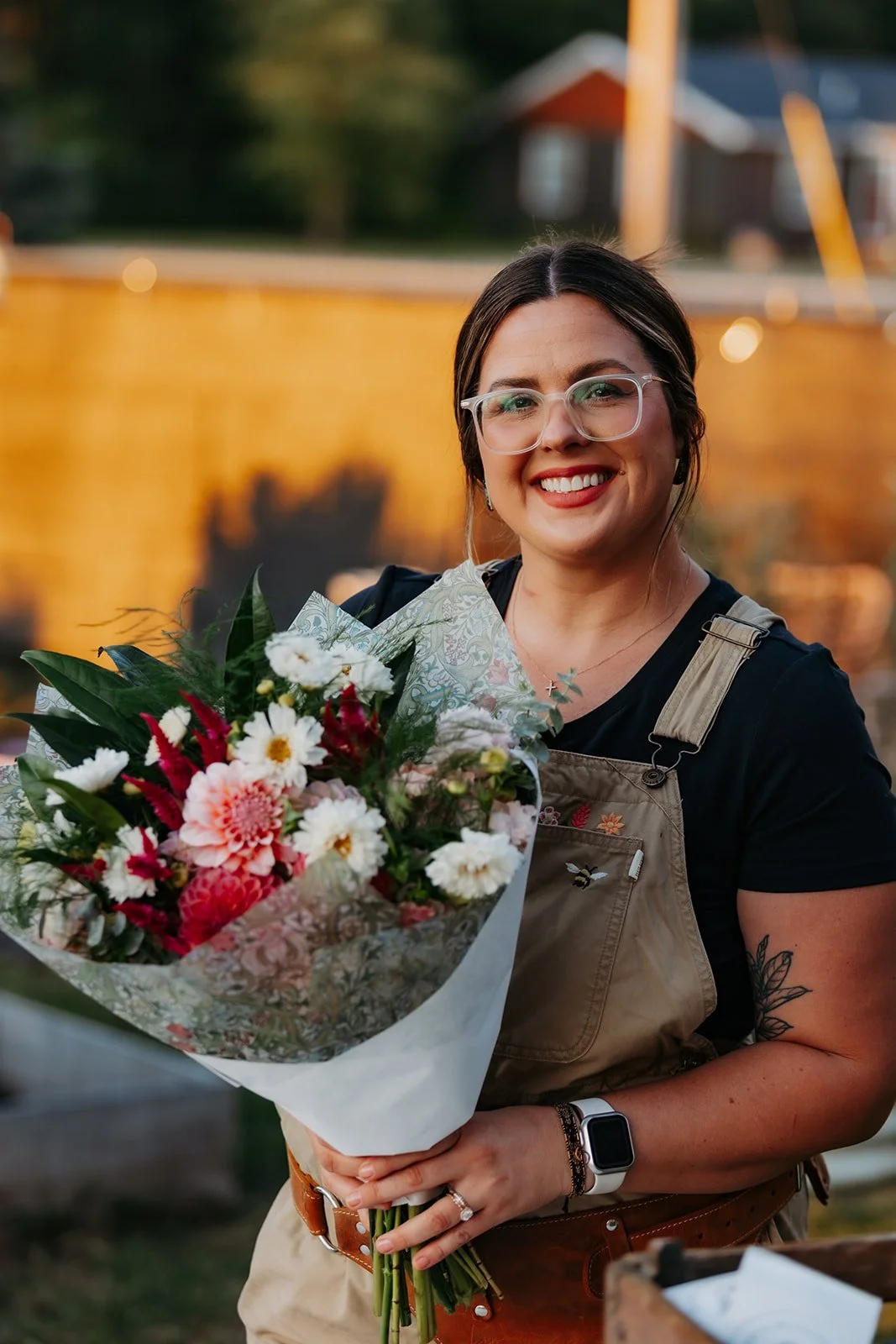
I am beyond grateful to every person who chose our floral work with intention. Being trusted with your meaningful moments — joyful and tender — is something I never take for granted. Thank you for supporting local, seasonal flowers and allowing me to create for you.
A Milestone Moment: Michigan State University
One of the most memorable moments of 2025 was the opportunity to design and install a large-scale corporate stage installation for Michigan State University in August. The project took place in the Breslin Center and was a true labor of love — and logistics.
From planning and sourcing to installation day, it was a big production filled with stunning local flowers and thoughtful design on a much larger scale than my typical work. Standing back and seeing the stage come together inside such an iconic space was both humbling and affirming.
That installation reminded me of what’s possible when creativity, trust, and collaboration come together — and it will forever be a highlight of this year.

Looking Ahead: Simplifying with Purpose
As I look toward 2026, my word for the year is simplify.
That means focusing on the areas of this work that bring me the most joy and alignment:
CSA flower subscriptions, weddings and events, and meaningful custom orders. Late fall and winter will hold very limited availability for private wreath workshops. It means letting go of excess — even when it’s tempting — and choosing balance over burnout.
It also means not expanding our growing space, except where it truly aligns with our long-term vision — specifically peonies and perennials that strengthen the foundation of what we already love.
Simplifying doesn’t mean dreaming smaller.
It means building something sustainable, intentional, and rooted in joy.








To My 2026 Brides
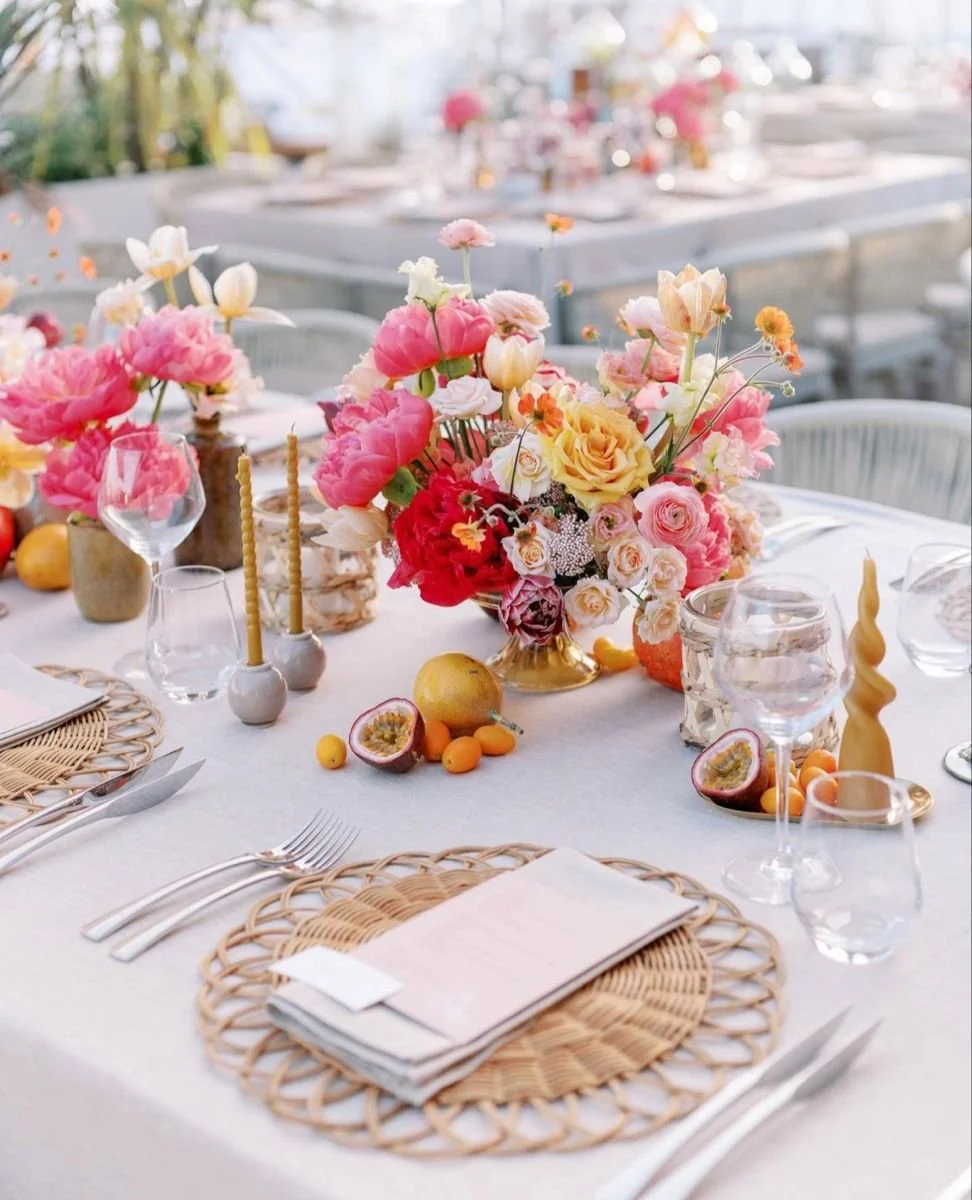
I am so excited for my 2026 brides. I already have the most beautiful color palettes and design visions in mind, and I cannot wait to bring your special days to life. Designing with intention, care, and heart will always be at the center of what I do.
Thank you for being here — for supporting Bede’s Blooms + Co. through the blooms and the bare stems. Here’s to a slower, steadier, more meaningful season ahead.
With gratitude,
Alex
Grateful for imagery by: Details & Daydreams Photography, Elle & Co Photography, and Liv Schafer Photography.

How to Plant Peonies: A Farmer-Florist’s Guide to the Queen of the Garden
Peonies are timeless, elegant, and worth every ounce of patience. Here’s a full behind-the-scenes look at how we planted over 150 peony roots at Bede’s Blooms—from spacing and fertilizing to lessons learned (like why you really should sweep your landscape fabric).


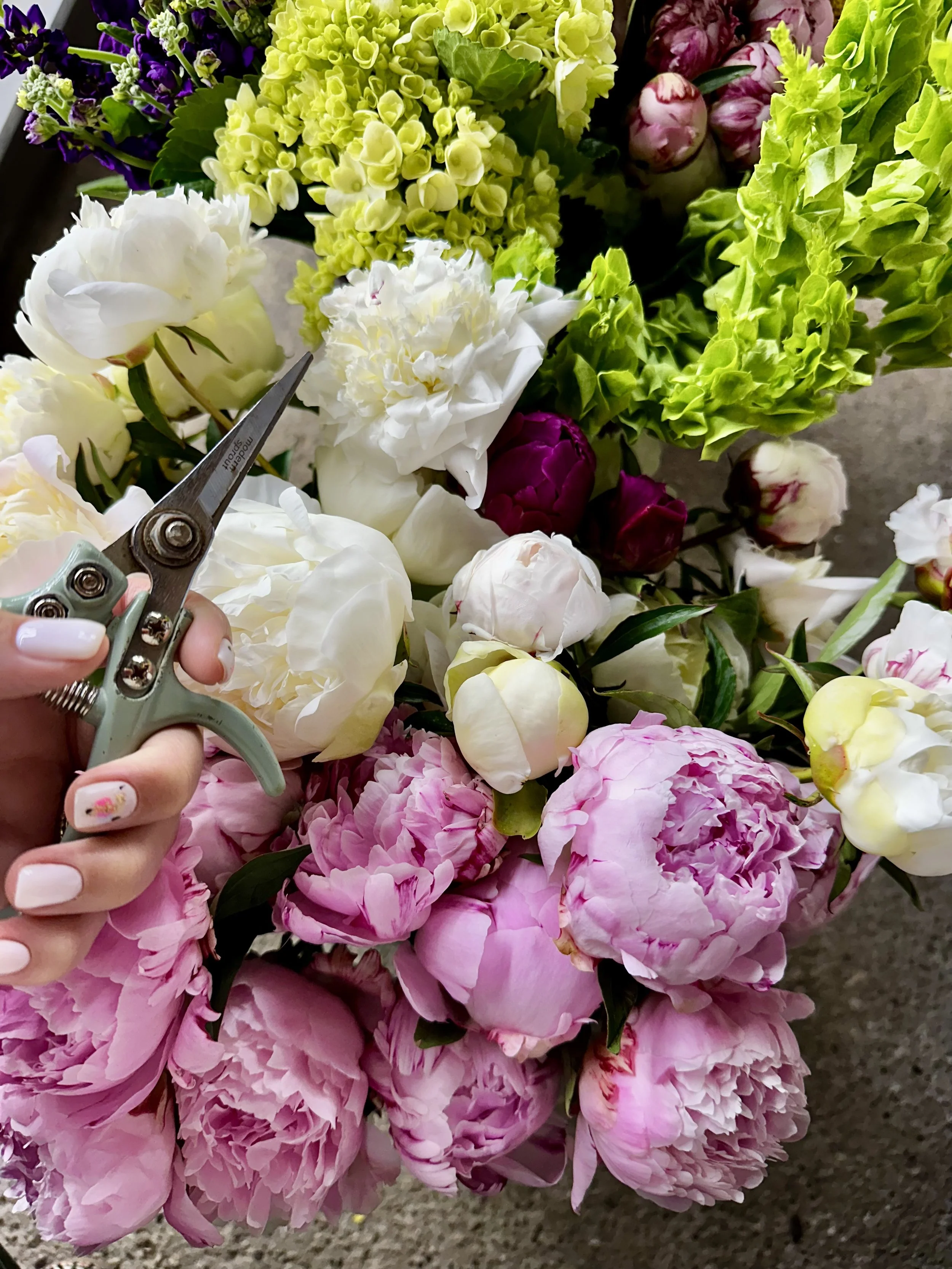
Planting Peonies: A Love Letter and Grower’s Guide
This post may contain affiliate links. If you click through and make a purchase, I may earn a small commission at no extra cost to you. I only recommend products I use and love here on the farm.
There’s just something about peonies.
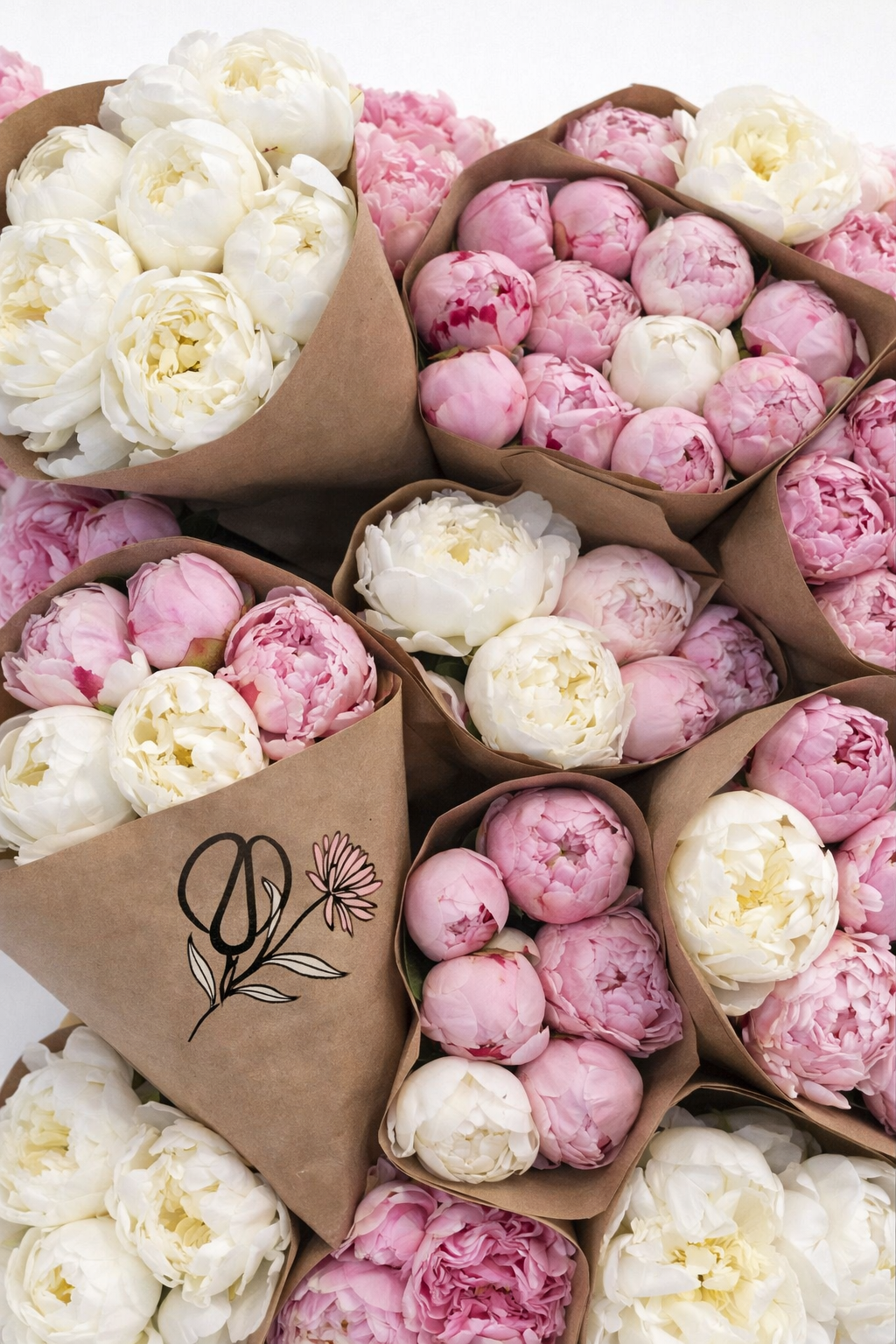
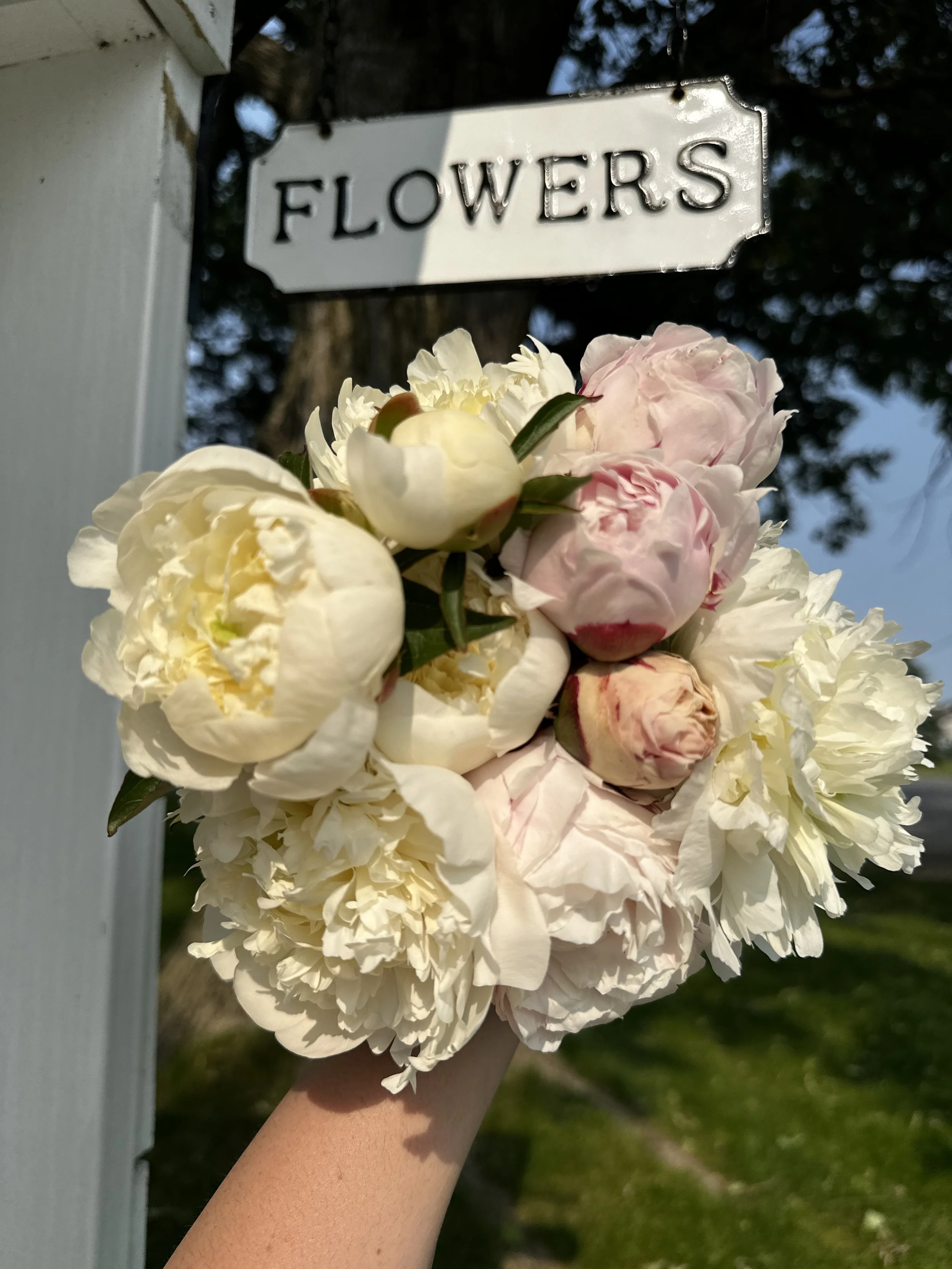
The soft, blush-pink blooms. Their ruffled elegance. The scent—heady and nostalgic, like something out of a dream. For me, peonies aren’t just flowers—they’re a soul-stirring presence in the garden and one of the greatest joys of being a flower farmer. Without a doubt, they are my favorite flower.
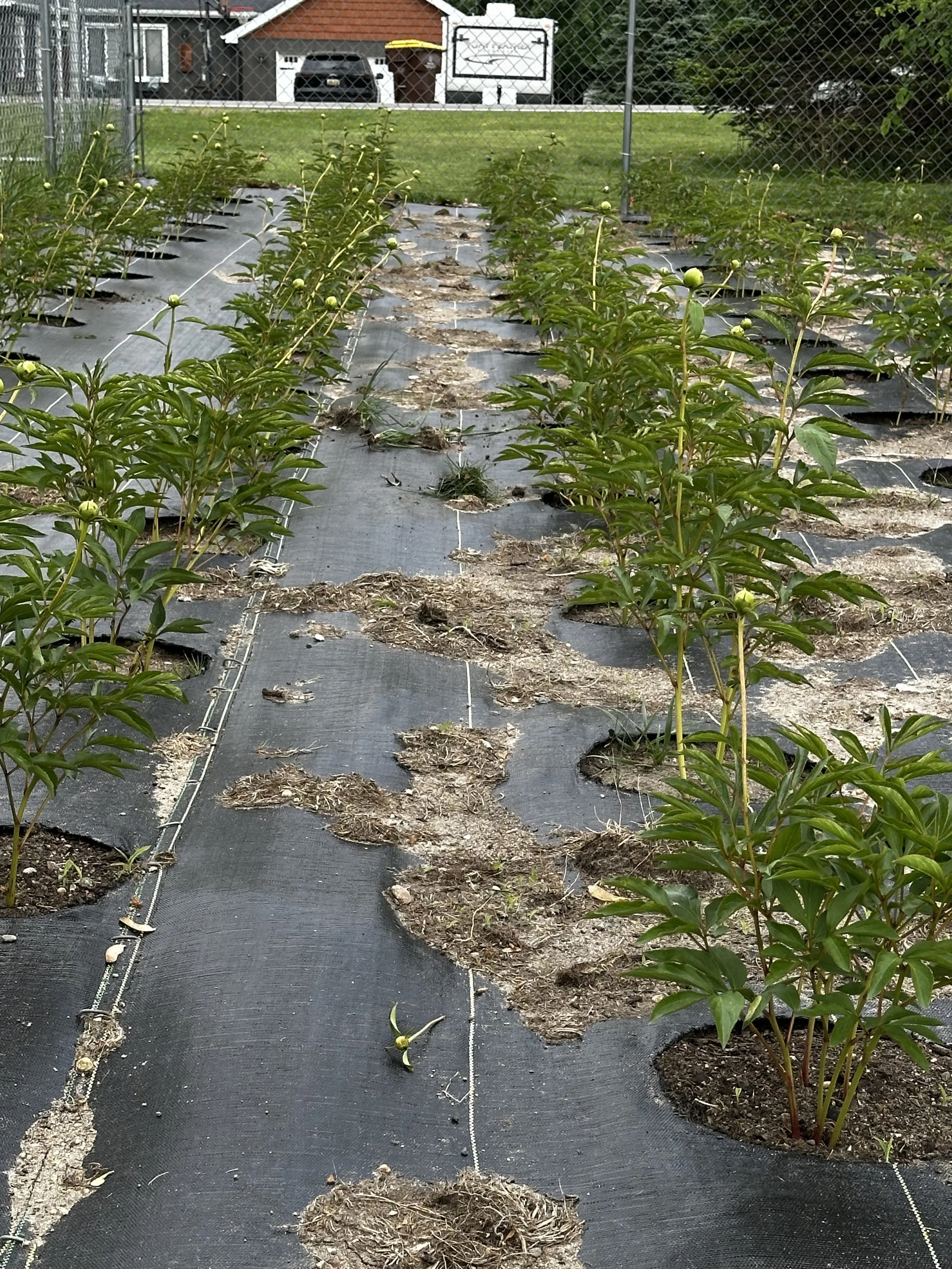
Last fall, I took the leap and planted our largest-ever peony field here at Bede’s Blooms + Co. This blog is part love letter, part how-to, and part behind-the-scenes peek at what it really takes to get peonies established on a flower farm.
If you’ve ever dreamed of growing peonies—or if you’re just starting to fall in love with these romantic blooms—this post is for you. Whether you’re a backyard gardener or a farmer-florist mapping out your first field, I’m sharing everything I learned from planting 150+ peony roots on our Michigan farm: from sourcing and spacing to root size, first-year harvests, and all the tools and tips that made the process smoother.
Why Peonies Deserve a Place in Your Garden (or Your Business)
They’re perennials – plant them once, and they’ll bloom for decades.
They get better with age – larger, fuller blooms year after year.
They command premium prices – stems regularly sell for $3–6 wholesale, and even more at retail or for events.
They bloom during peak wedding season, making them a dream crop for farmer-florists.
That said, they do require patience. Peonies can take 2–3 years to establish, and while the wait is worth it, it’s important to set expectations—especially if you’re hoping for first-year blooms.
A Note on Root Size and First-Year Harvesting
Most growers will tell you not to harvest from peonies in their first year. And generally? That’s good advice.
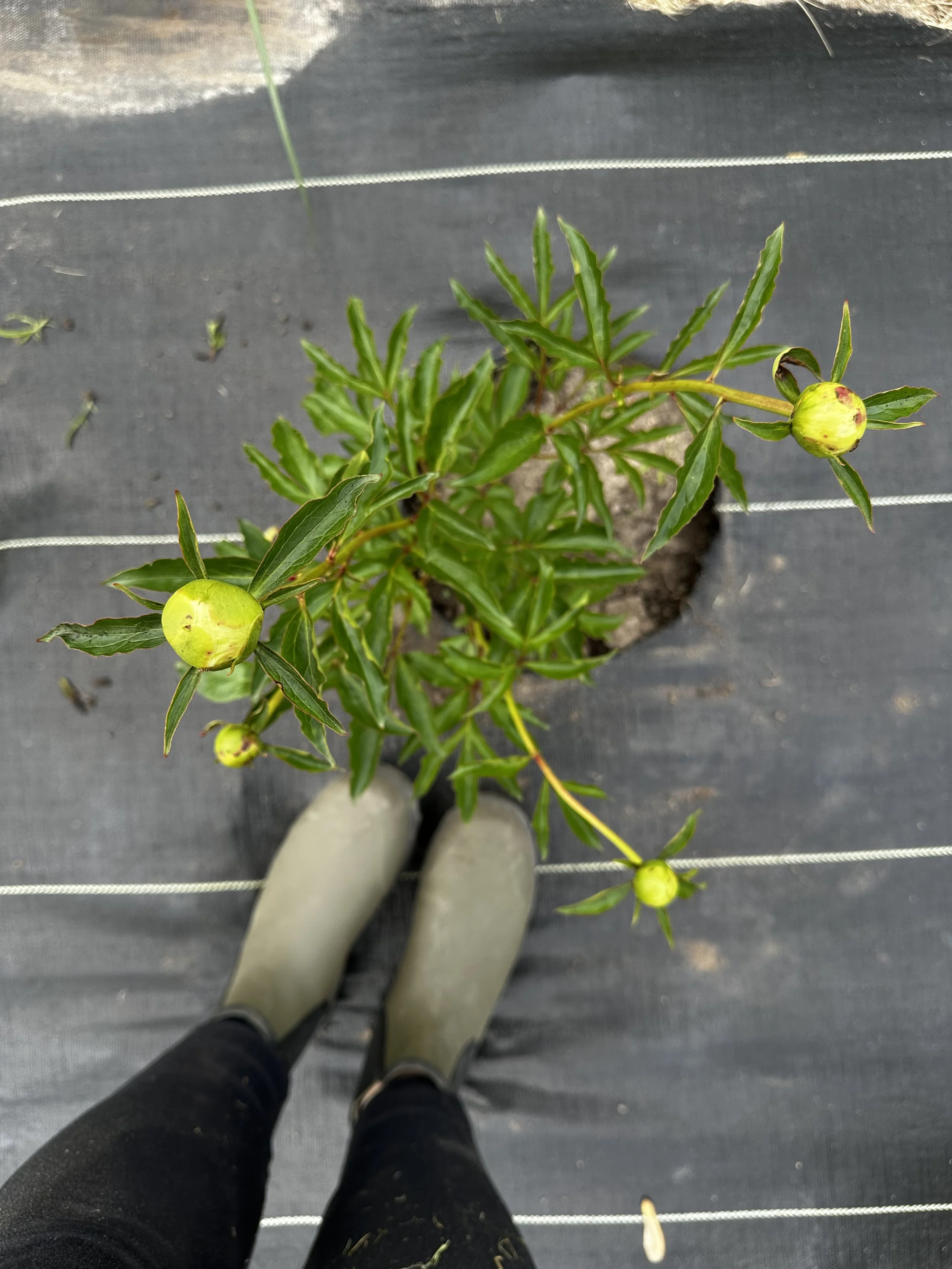
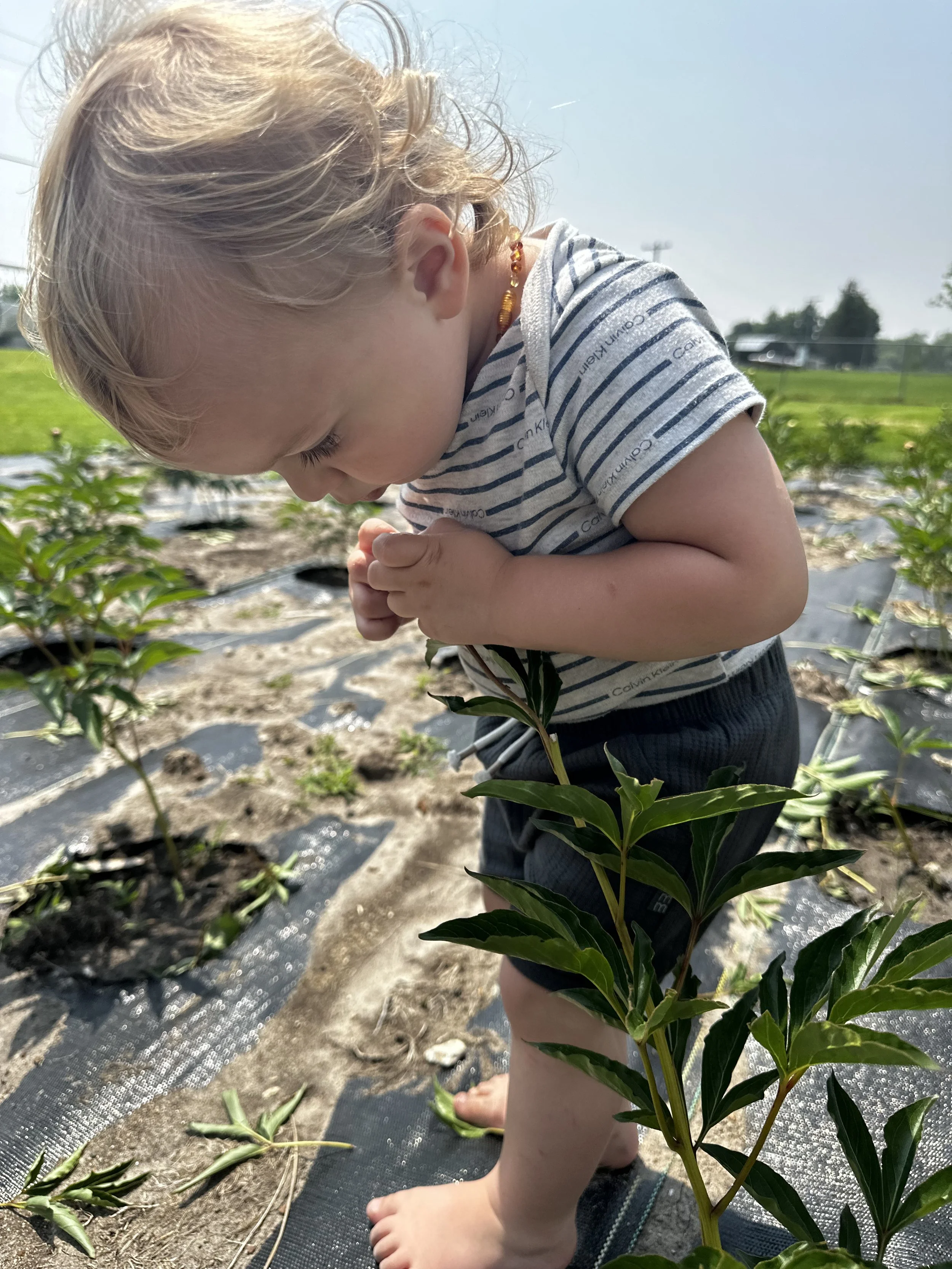
But here’s the nuance: I invested in larger, 6–8 eye roots instead of the standard 2–3 or 3–5 eye divisions. I experimented—harvesting from about half of my 6–8 eye plants in the first year. The result? Beautiful, large blooms. Not quite as robust as my three-year-old plants, but certainly strong enough for arrangements.
In short: root size matters, and not all first-year harvests are created equal. I also know other growers who’ve harvested cautiously from year one with great results.
✨ Farmer tip: If you’re planting peonies for production, consider investing in higher-eye count roots. The upfront cost is greater, but so is the payoff.
Establishing Peonies: The First Year is Everything
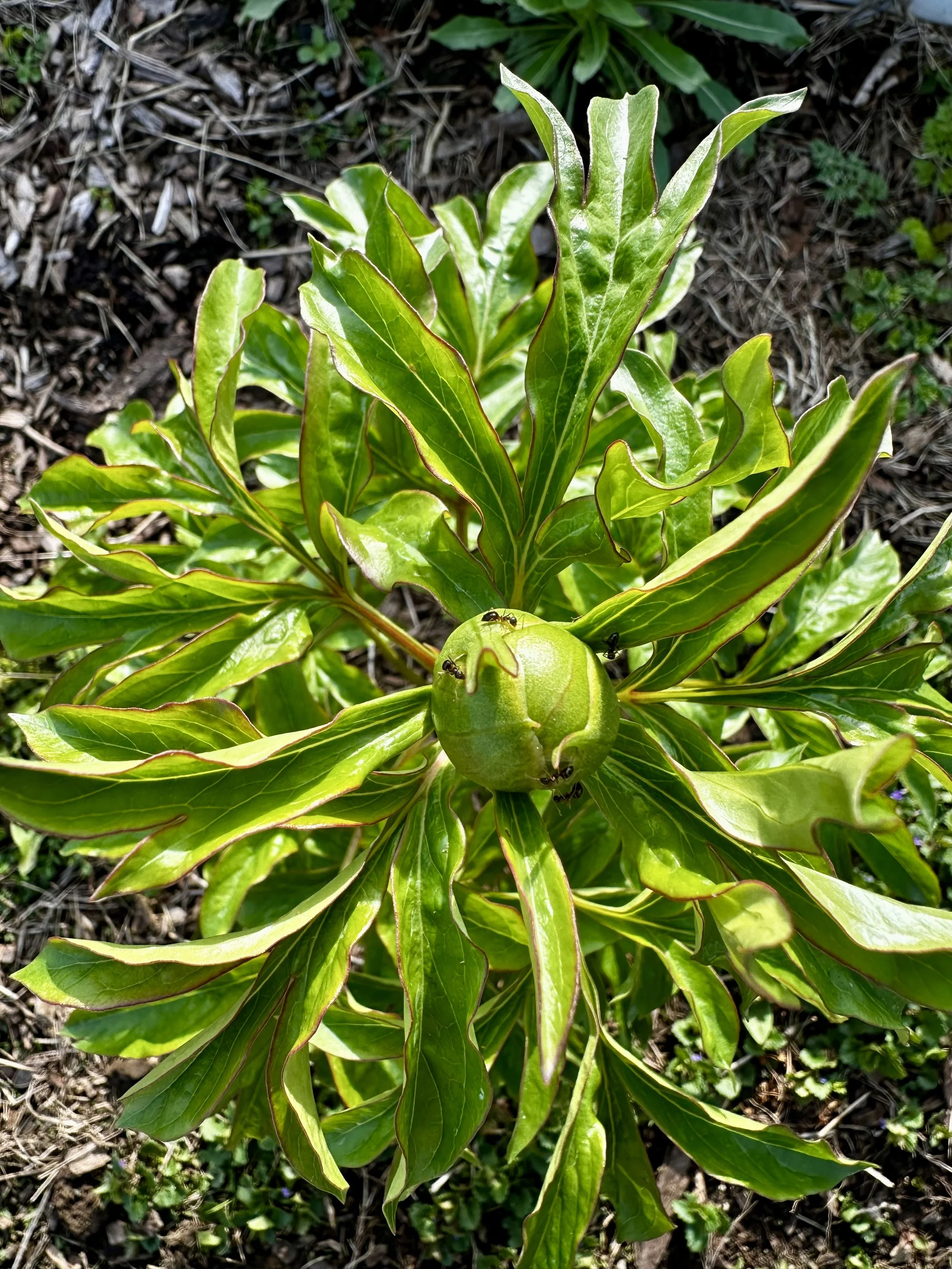
Peonies don’t love being rushed, so the first year is all about establishment. Even if you’re not harvesting blooms, what’s happening underground is just as important.
🌱 Key Summer Care Tips (Especially in Michigan):
Water deeply and consistently in July, as this is when the plant shifts energy to root and bud development for the following spring.
Aim for 1–1.5 inches per week at the base (no overhead watering—botrytis loves wet leaves).
Deadhead spent blooms but leave all foliage intact.
Fertilize lightly in early July with a low-nitrogen, balanced fertilizer like 5-10-10 or 10-20-20. Apply directly to the soil around the plant—not on the leaves—to avoid fungal issues. It’s like a nutrient smoothie for next year’s blooms. Avoid fertilizing after mid-July to prevent weak late-season growth.
📅 Stay tuned: I’ll be sharing a full fertilizing schedule, product links, and my compost tea recipe in next week’s blog post!
Disease Control: Beating Botrytis
If you’re seeing:
Blackened buds
Wilting stems
Gray mold or fuzzy mildew...
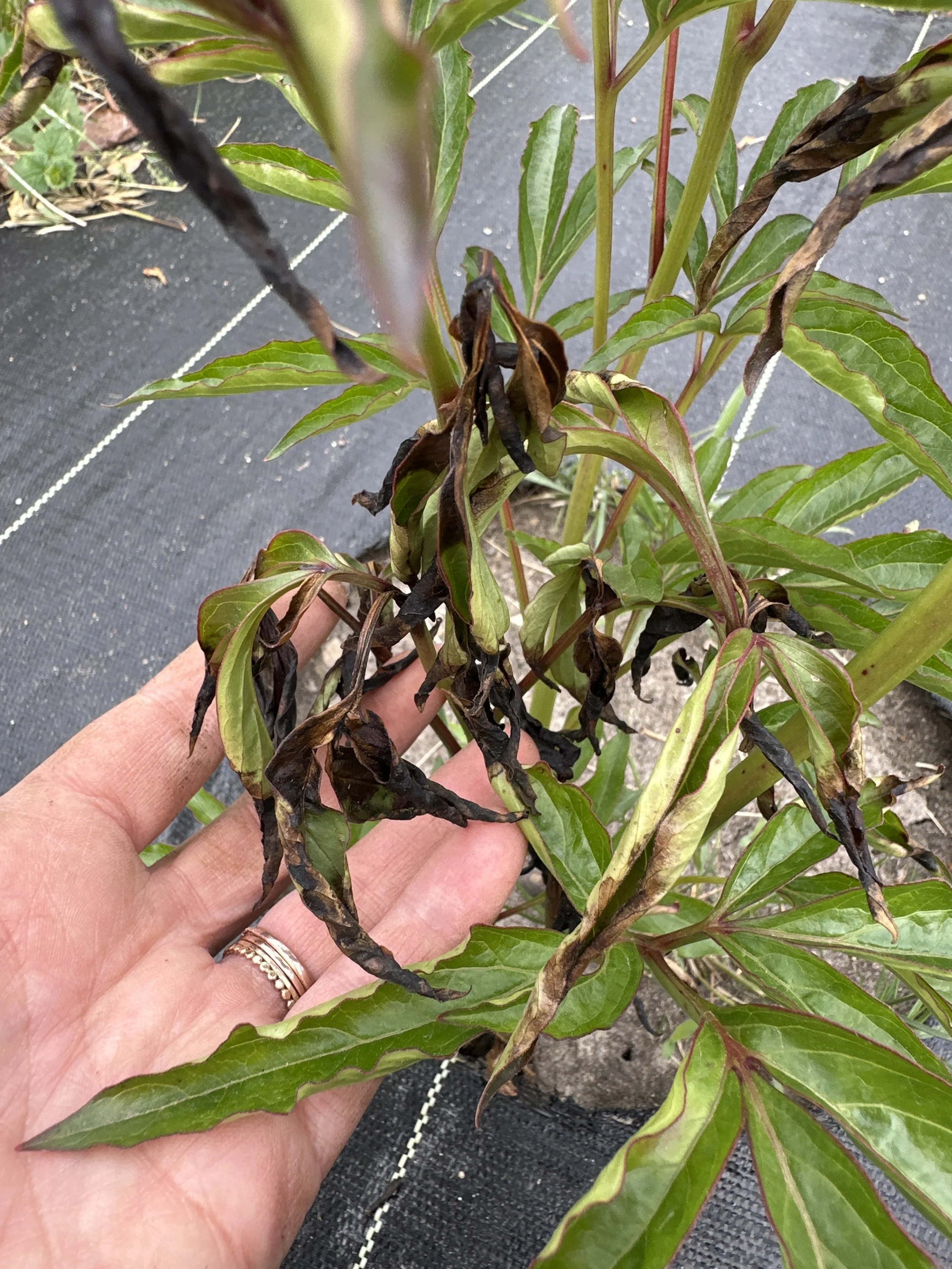


You might be dealing with botrytis blight. Here’s how I manage it:
Clean up: Remove all infected plant parts and dispose—don’t compost.
Sanitize your shears using a solution of bleach or rubbing alcohol.
Treat: Use organic options like:
Serenade or Actinovate - I use this one: Trifecta Crop Control Concentrate
Improve airflow: Thin surrounding plants, avoid overcrowding.
🍂 In fall: Cut foliage to the ground after frost, and discard (do not compost) if there were disease issues. Apply compost (I love using Dairydoo + bone meal) or bulb fertilizer around the base—not on the crown—especially if your soil is lean.
🌸 Step-by-Step: How We Planted Our Peony Field (and What We’d Do Differently)
There’s no one “right” way to plant peonies, but this was our process. We learned a lot in the trenches—some wins, some lessons—and we’re sharing it all here to help your future planting go a little smoother.
Step 1: Measure Your Space First
Before you even order roots, take the time to measure your growing area. Peonies need generous spacing and good airflow, so you’ll want a clear idea of how many plants you can comfortably fit.
🌸 Spacing Guidelines by Peony Type
Herbaceous Peonies (garden peonies):
▸ 36–48 inches apart (center to center)
▸ Allows for mature clump size and good airflow to reduce disease
Intersectional (Itoh) Peonies:
▸ 36–48 inches apart
▸ These hybrids also form large, bushy plants
Tree Peonies:
▸ 48–60 inches apart
▸ These are woody shrubs that require more space and light
🌱 Why Proper Spacing Matters
Air circulation prevents fungal issues like botrytis
Root development and division potential are maximized
Ease of access for weeding, fertilizing, and harvesting
Sunlight reaches all parts of the plant, improving bloom quality
Once you know your dimensions, you can calculate how many roots to order and how much landscape fabric you'll need.
I highly recommend investing in one of these open reel measuring tapes, we have used this for so many projects around our house and in the garden.
Step 2: Source Reputable Peony Roots
We placed our order in early summer for fall delivery. A good rule of thumb? Order a flower when it’s blooming for you. That means now (while your peonies are fresh in memory) is a great time to order for fall planting.
We currently have a couple of different wholesale accounts, but during our first year of purchasing, we ordered through Alaska Perfect Peony. They connected us with the closest peony root wholesaler in our area, and I was incredibly impressed with how the roots arrived—the size and quality exceeded my expectations.
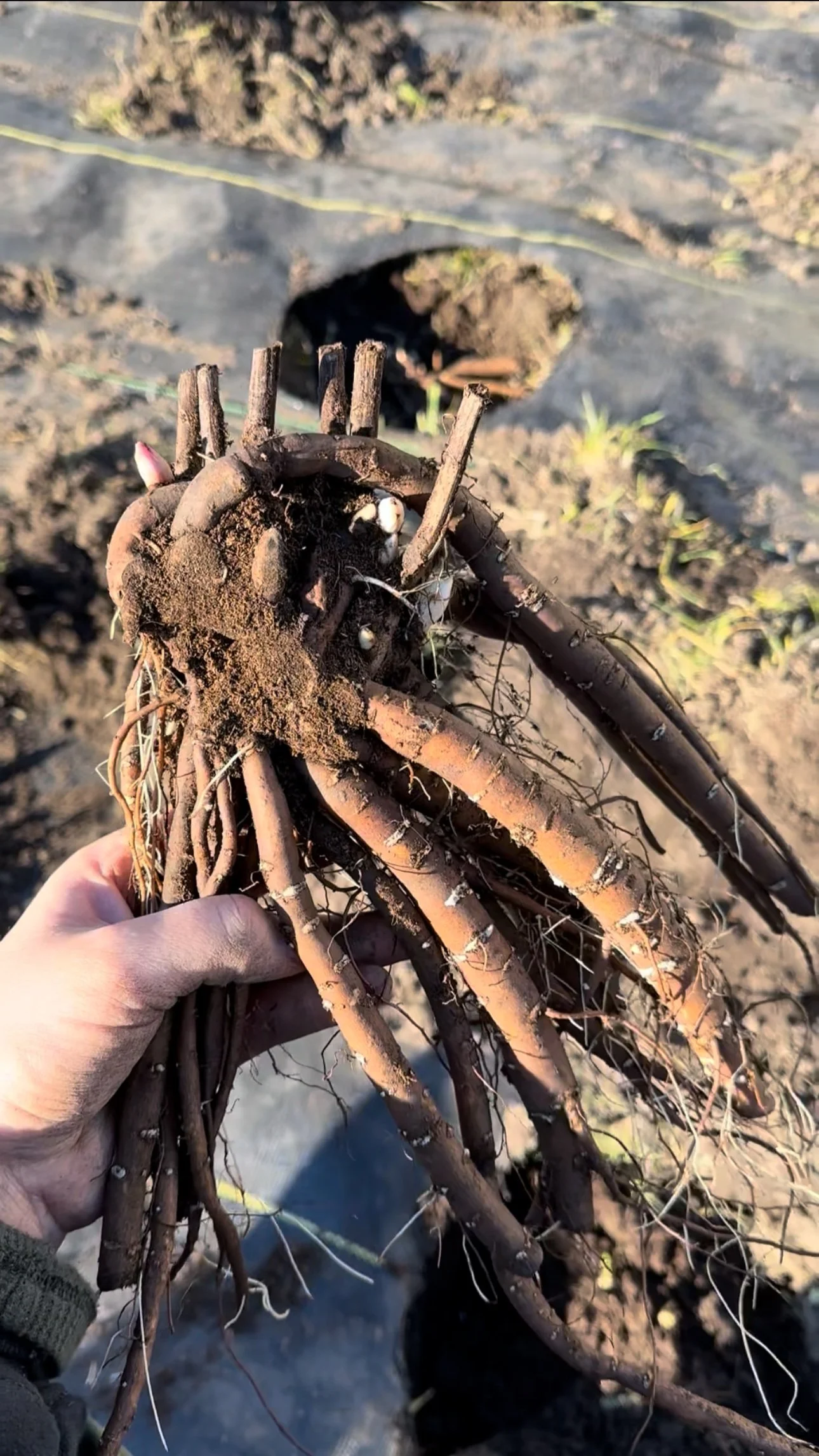
6-8 eyed Duchesse de Nemours peony root
Step 3: Prep the Site
We tilled our entire planting area, but an alternative method is to cover the space with silage tarps for 4–6 weeks beforehand to kill off grass and weeds. Once prepped, we added compost to enrich the soil.
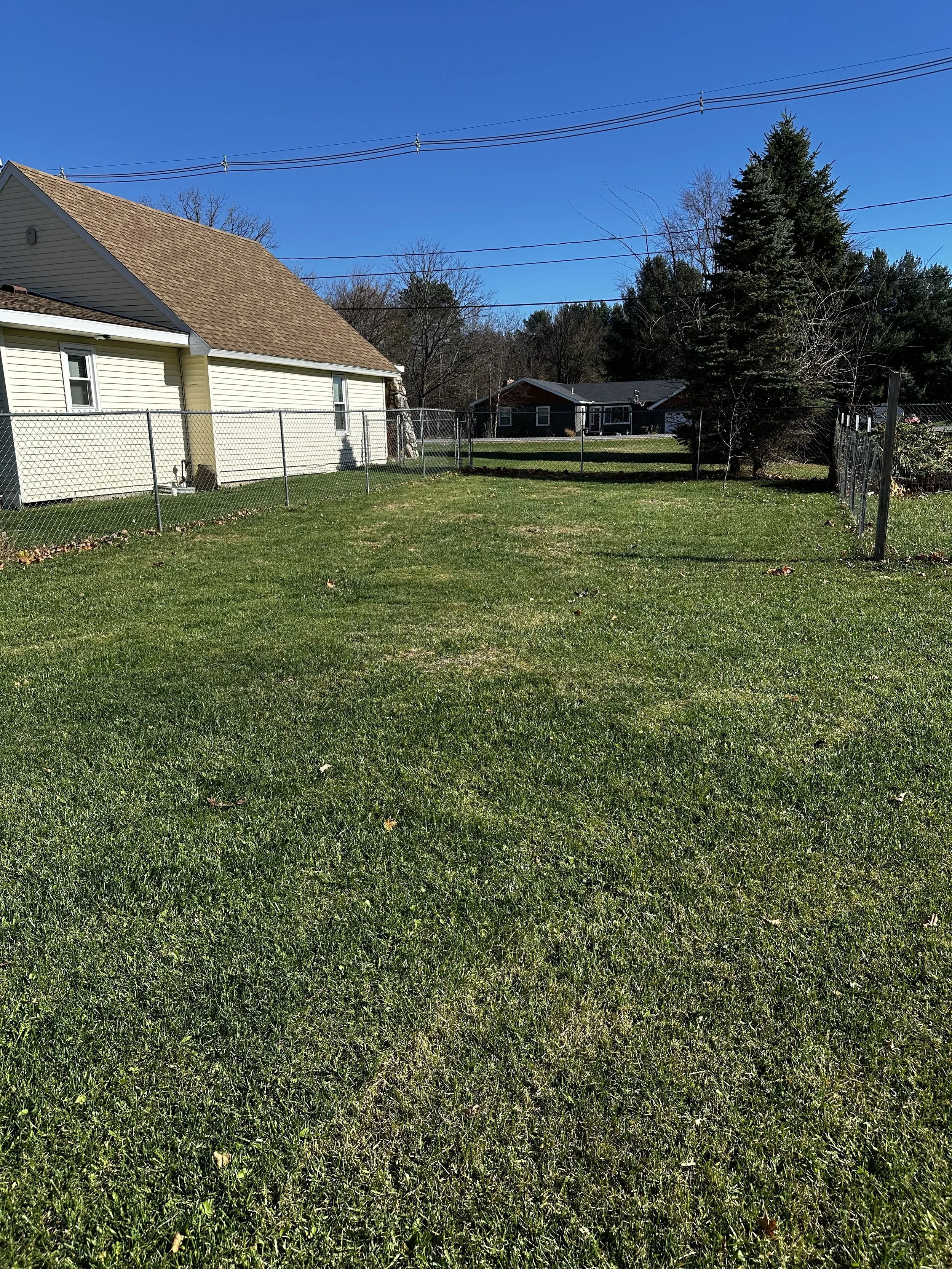

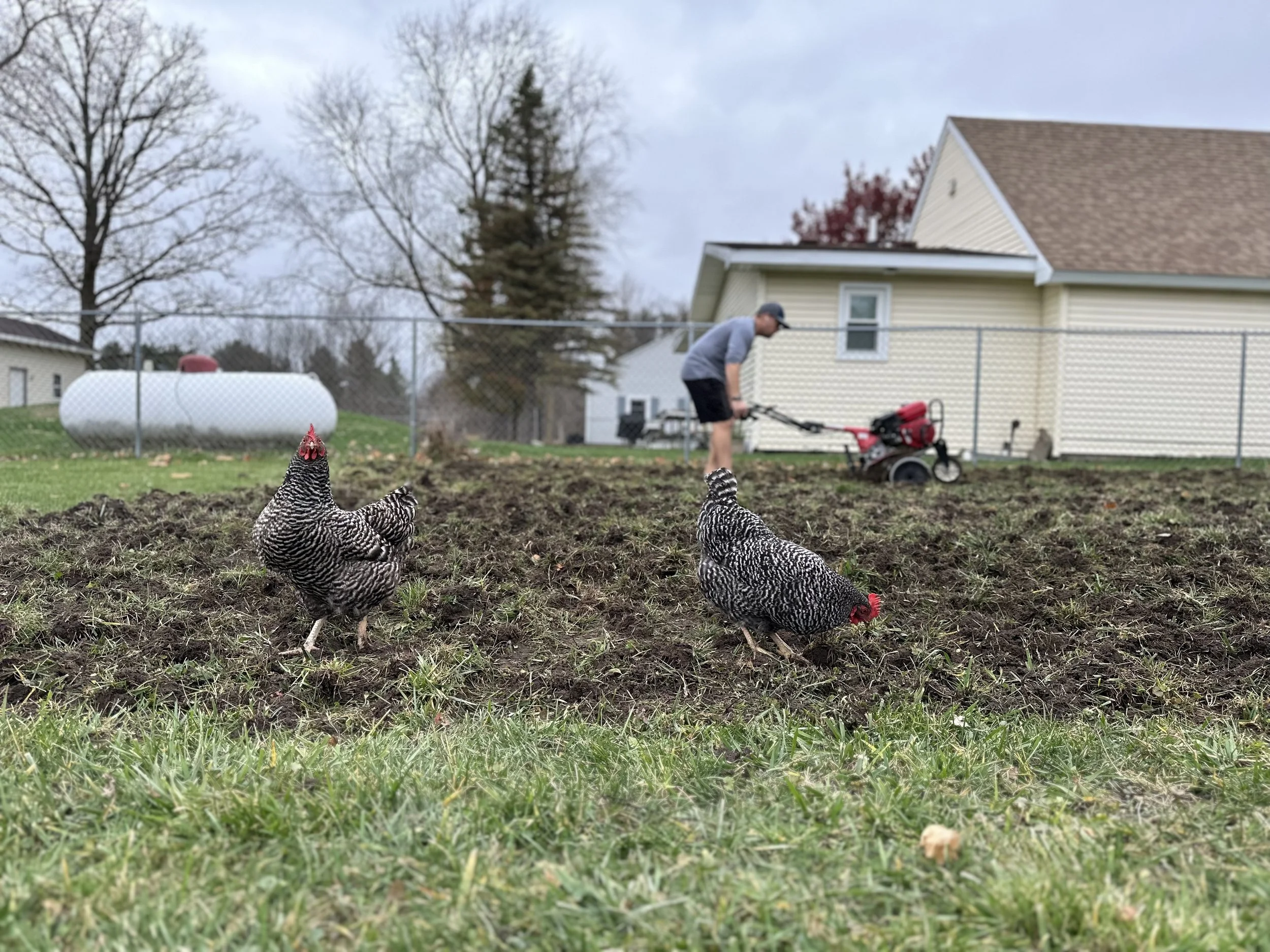
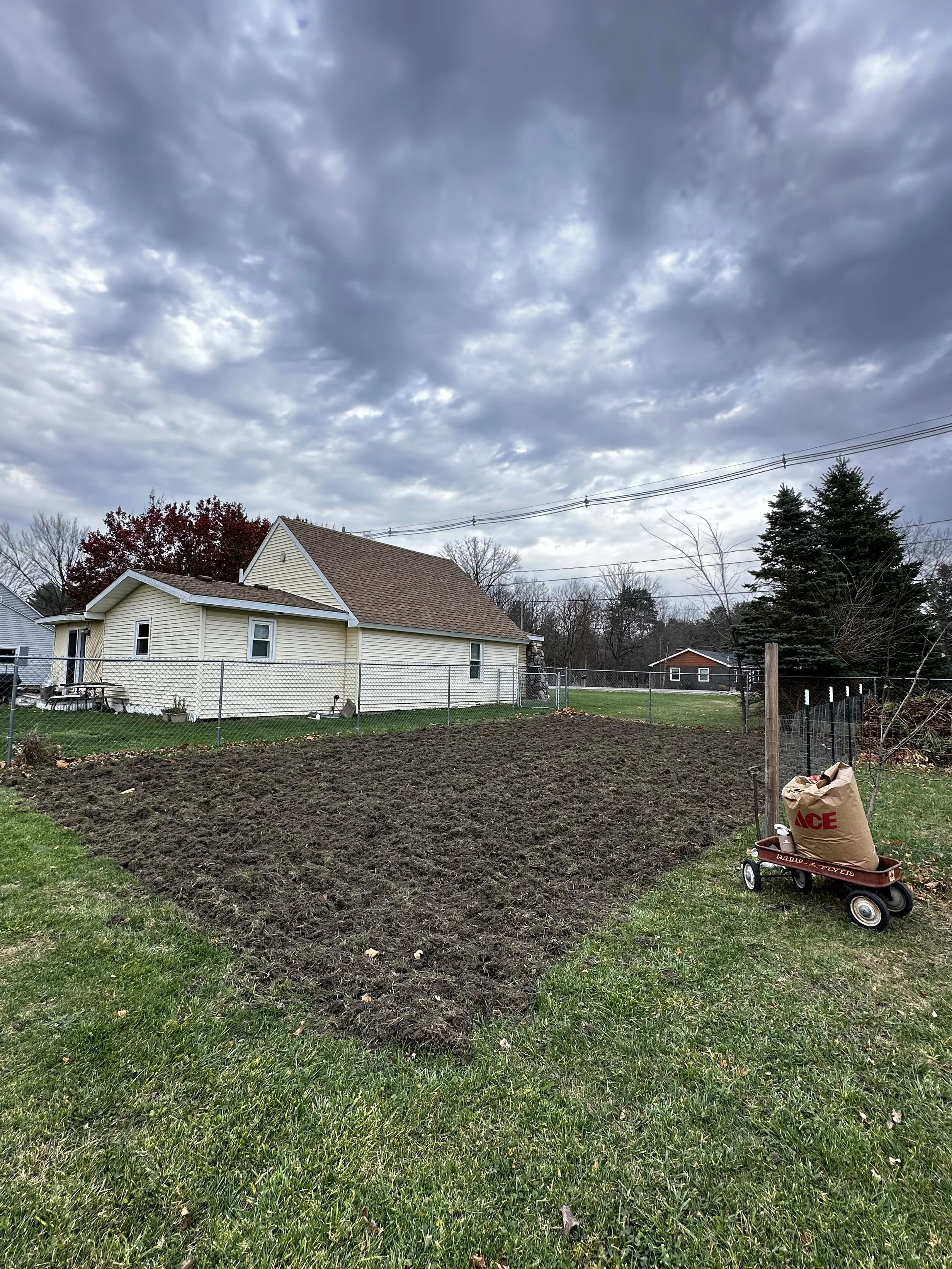
If you’re looking for a no-till option (we usually opt for the same—but we didn’t get a chance to lay our silage tarps in time.) — here is a brief breakdown of what we do:
How to Use Silage Tarps to Prep a Garden Bed:
Clear the Area (Optional): Mow or cut down any tall vegetation.
Lay the Tarp: Spread the silage tarp black side up over the area.
Secure It: Weigh down the edges with sandbags, bricks, or soil to prevent wind from lifting it.
Leave in Place: Keep the tarp on for 4–6 weeks (longer if possible) to smother weeds and warm the soil.
Remove & Plant: Take off the tarp when you're ready to plant—no tilling needed!
Tip: Be mindful of the size—if you’re moving the silage tarp by yourself, it’s best to stick to something no larger than about 50 x 50 feet. Anything bigger typically requires a tractor to handle.
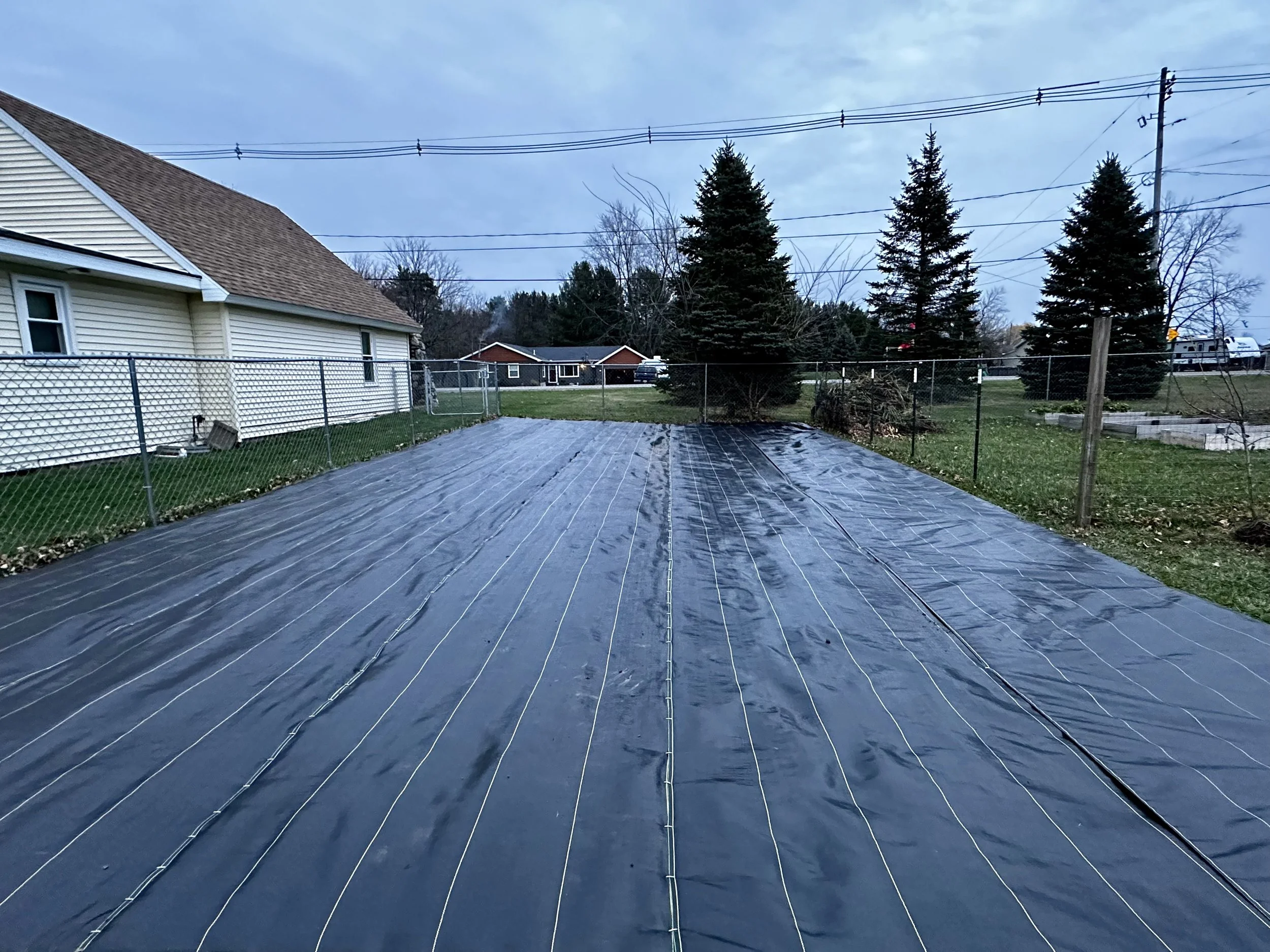
Step 4: Lay Landscape Fabric
We used Dewitt brand landscape fabric and calculated the size based on the total growing space. Supplies included:
Landscape staples (we placed them every 2–4 inches for extra durability)
Heavy-duty scissors (we’ve had these since our first season, great investment & used regularly on the farm)
While a single large piece of fabric would be ideal, cost was a factor, so we overlapped pieces by 8 inches to create continuous coverage.

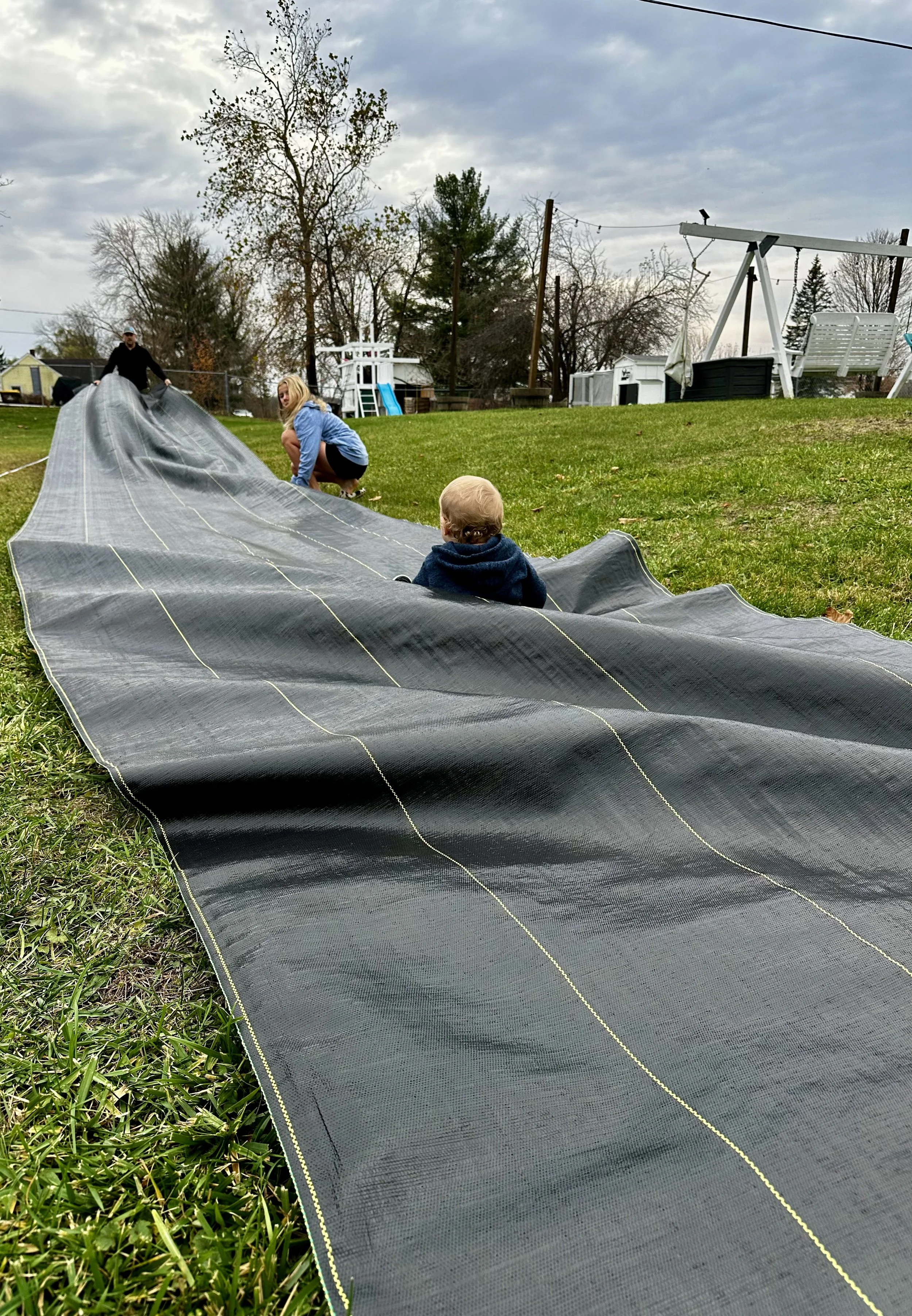

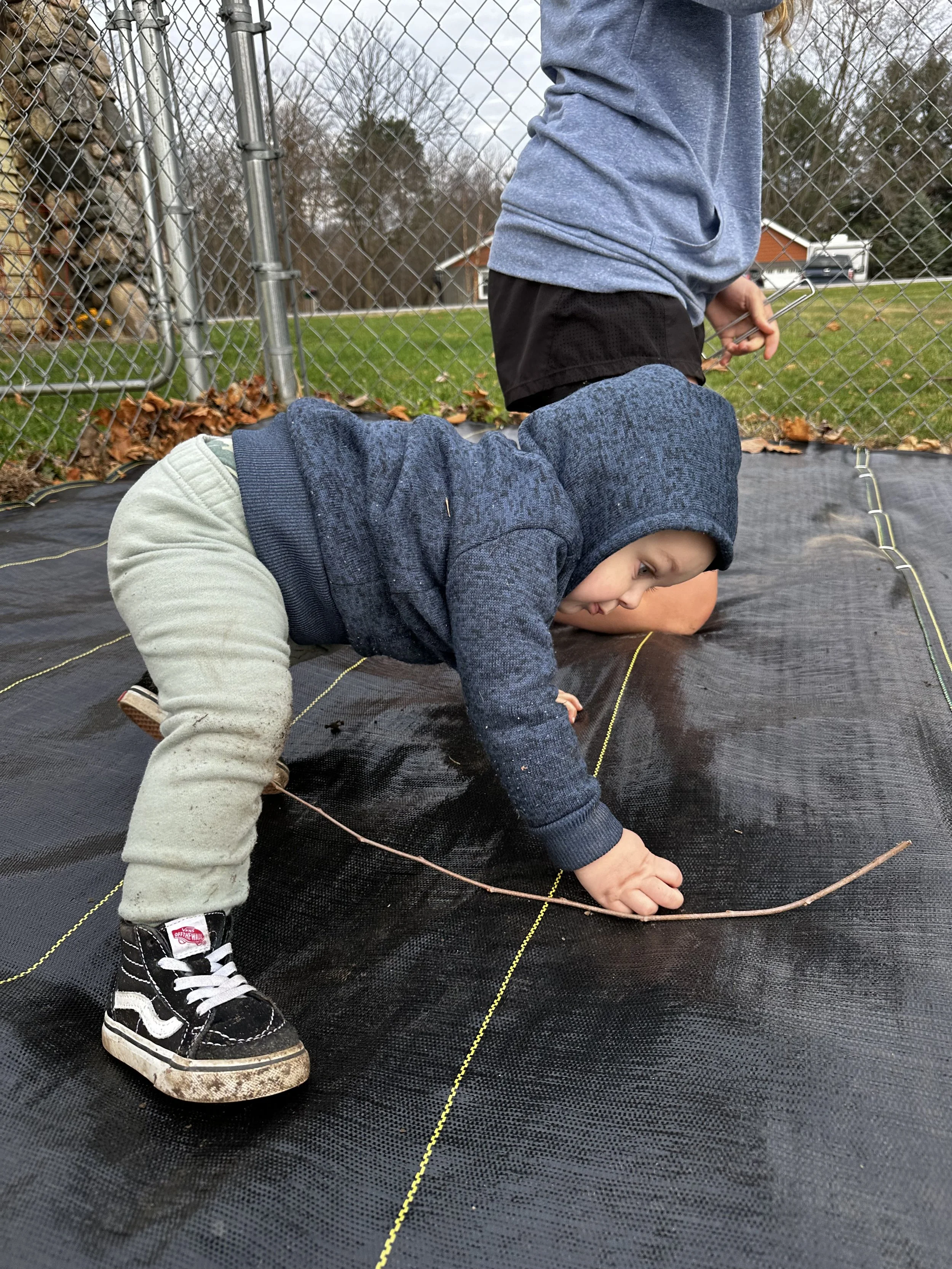



Step 5: Mark and Burn Planting Holes
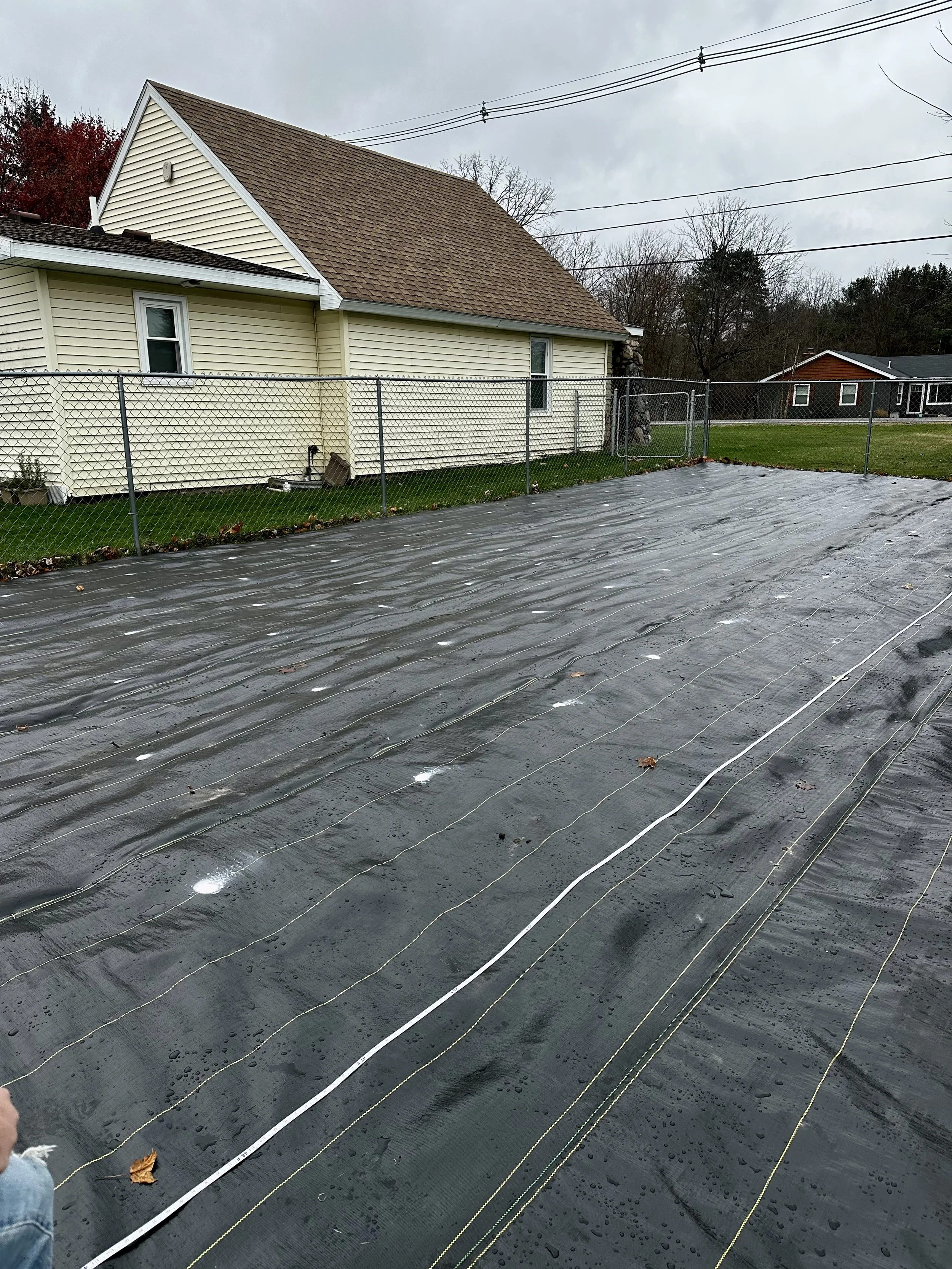
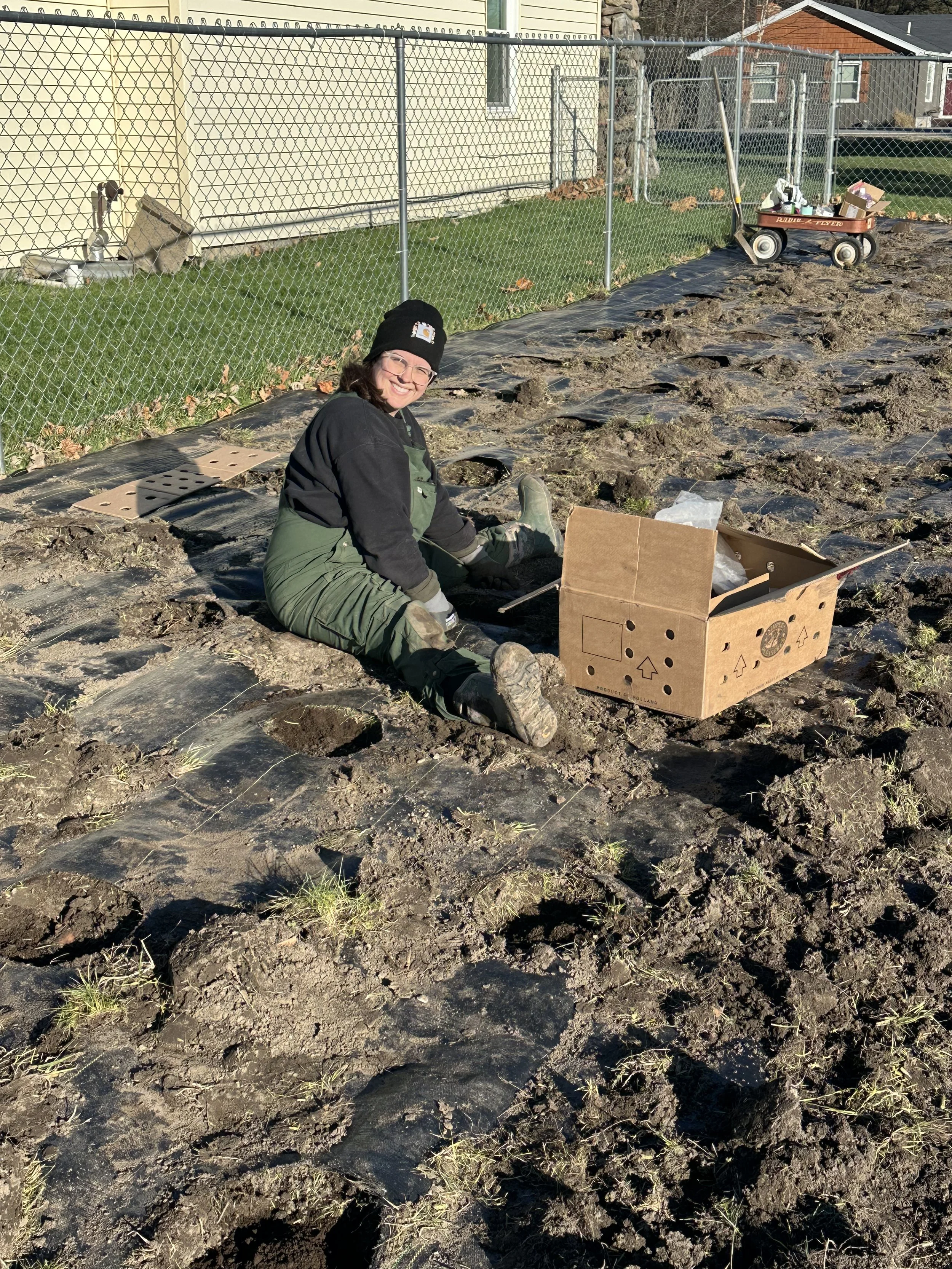
Use a large measuring tape and spray paint to mark each hole, spaced 4 feet apart.
A metal planter (about 10" wide) served as our hole template.
Using a handheld torch and the metal planter, we burned clean planting holes into the fabric.
We use the Bernzomatic Trigger Start Torch and fuel it with a can of Coleman propane from our camping stove setup.


Step 6: Dig and Prep Holes
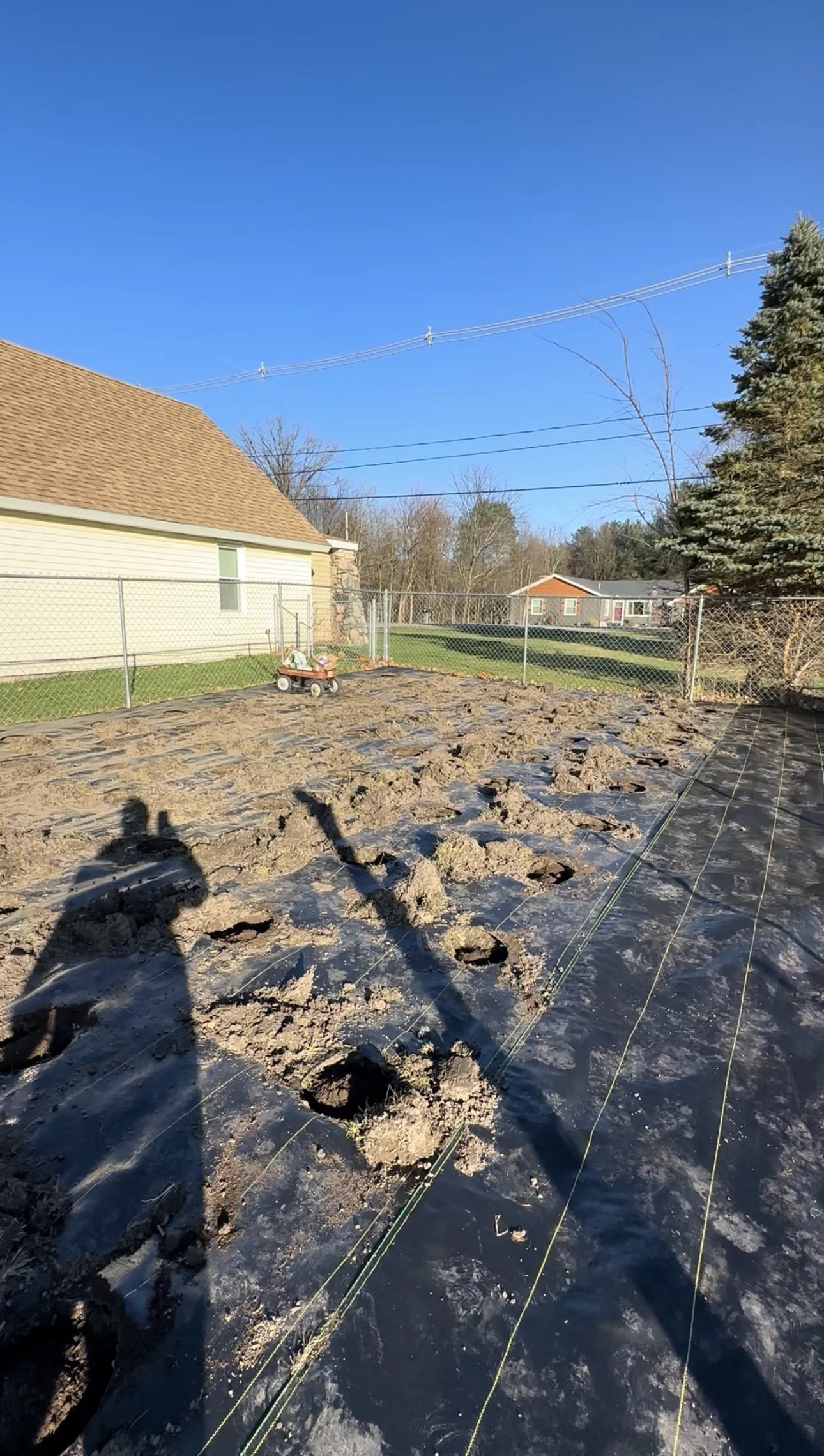
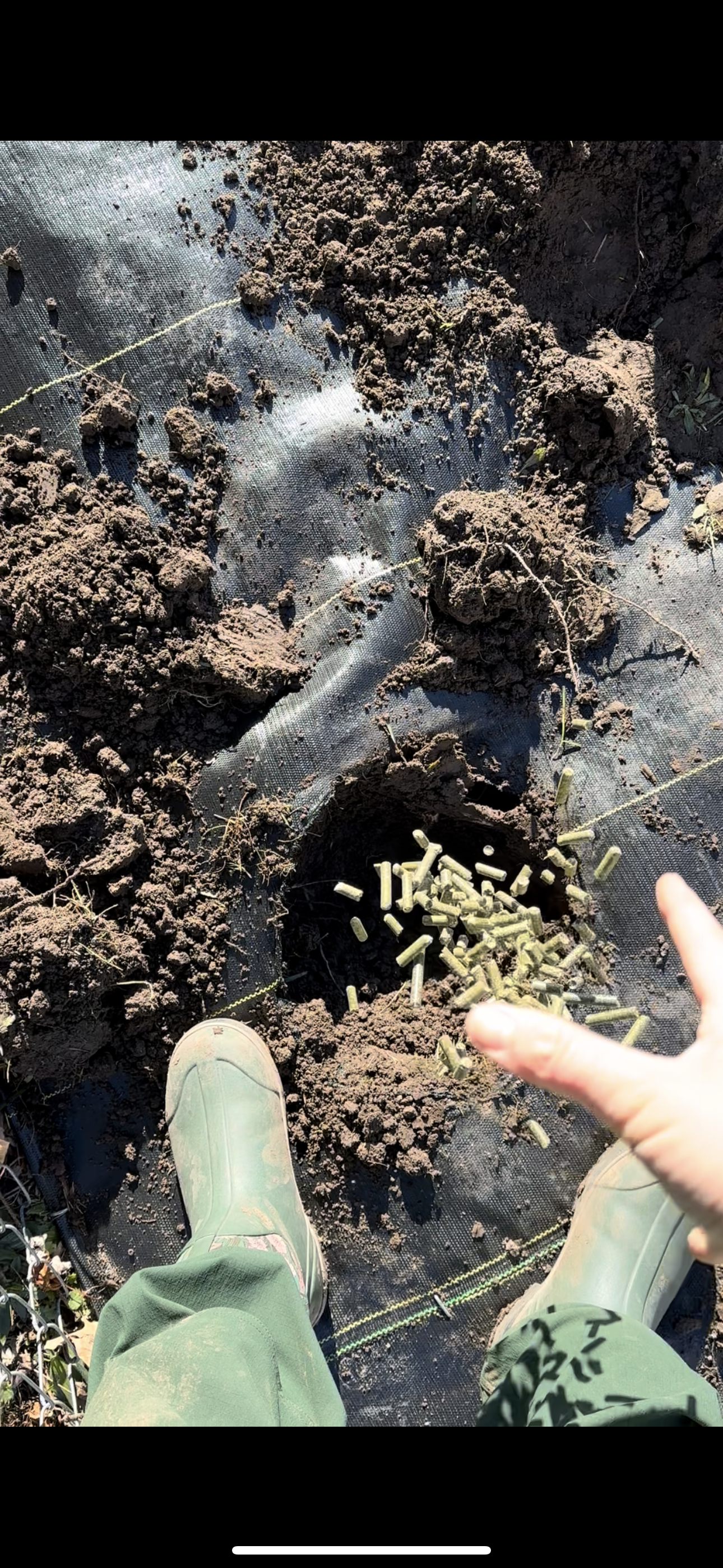
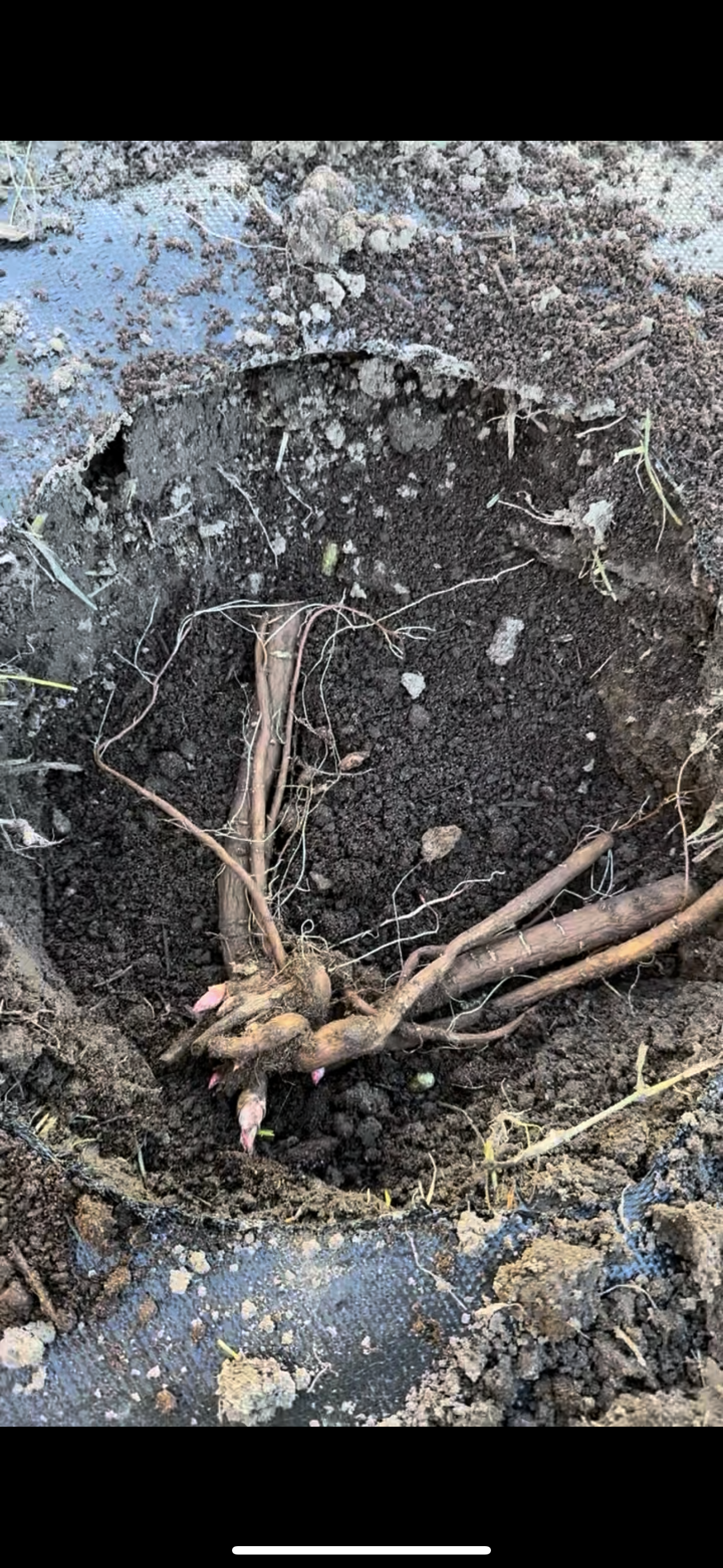
Dig about 8 inches deep, ensuring the peony crown will sit with its “eyes” (buds) no more than 2 inches below the surface.
We added alfalfa pellets to each hole for a nutrient boost—rich in nitrogen, potassium, and phosphorus.
Step 7: Plant Each Root
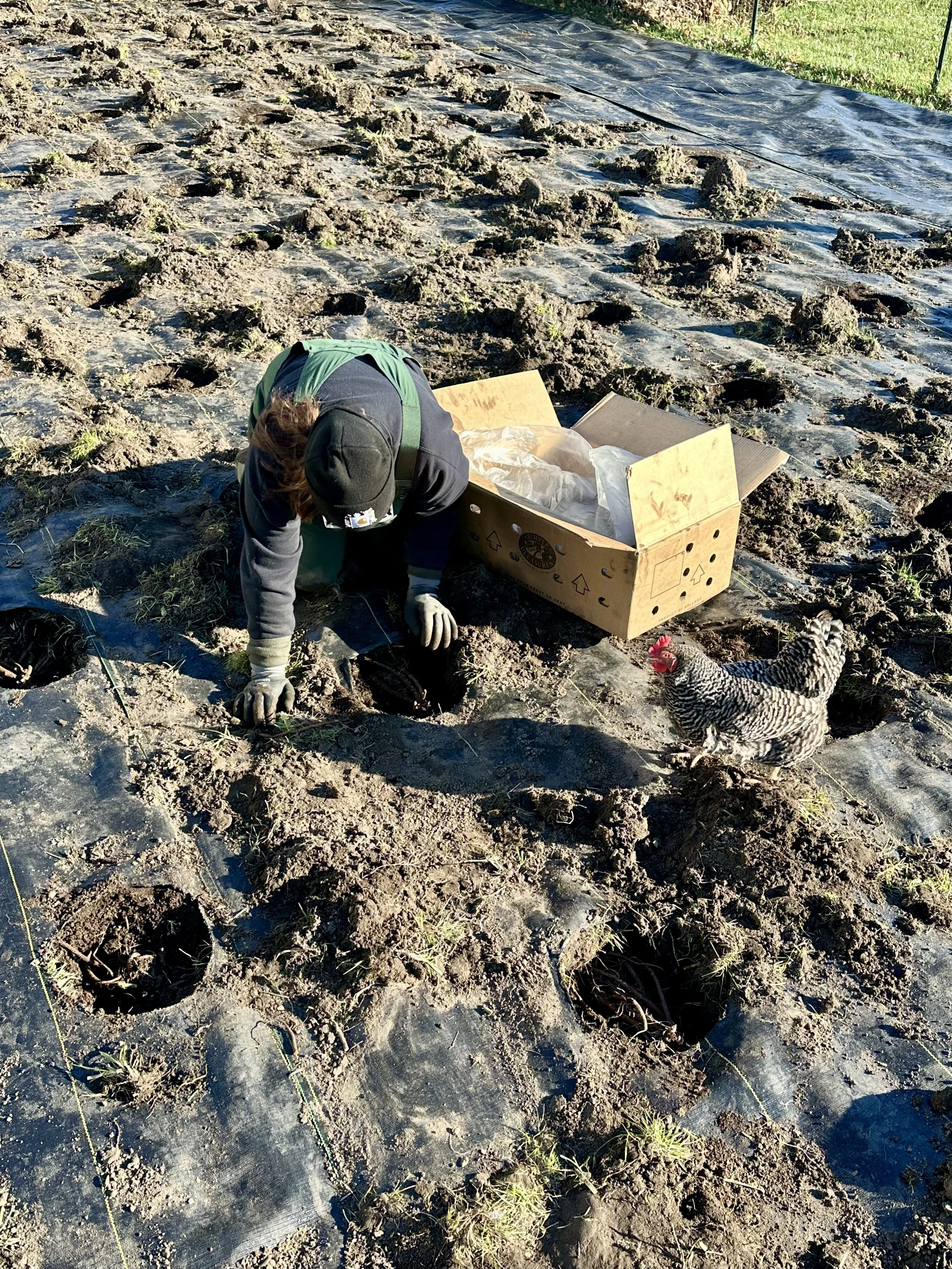
Depending on the size of your root, you may need to widen or shape your hole so the full root structure fits without crowding or curling. Lay the root flat with eyes facing upward.





Step 8: Backfill and Sweep
Cover roots with compost and soil, gently firming it down.
Important: Sweep off any excess soil from the landscape fabric. Dirt left on fabric = weed chaos come spring.
Post-Harvest: How to Store Peonies for Later Use
One of the best-kept secrets in floral work? Dry storing peonies.
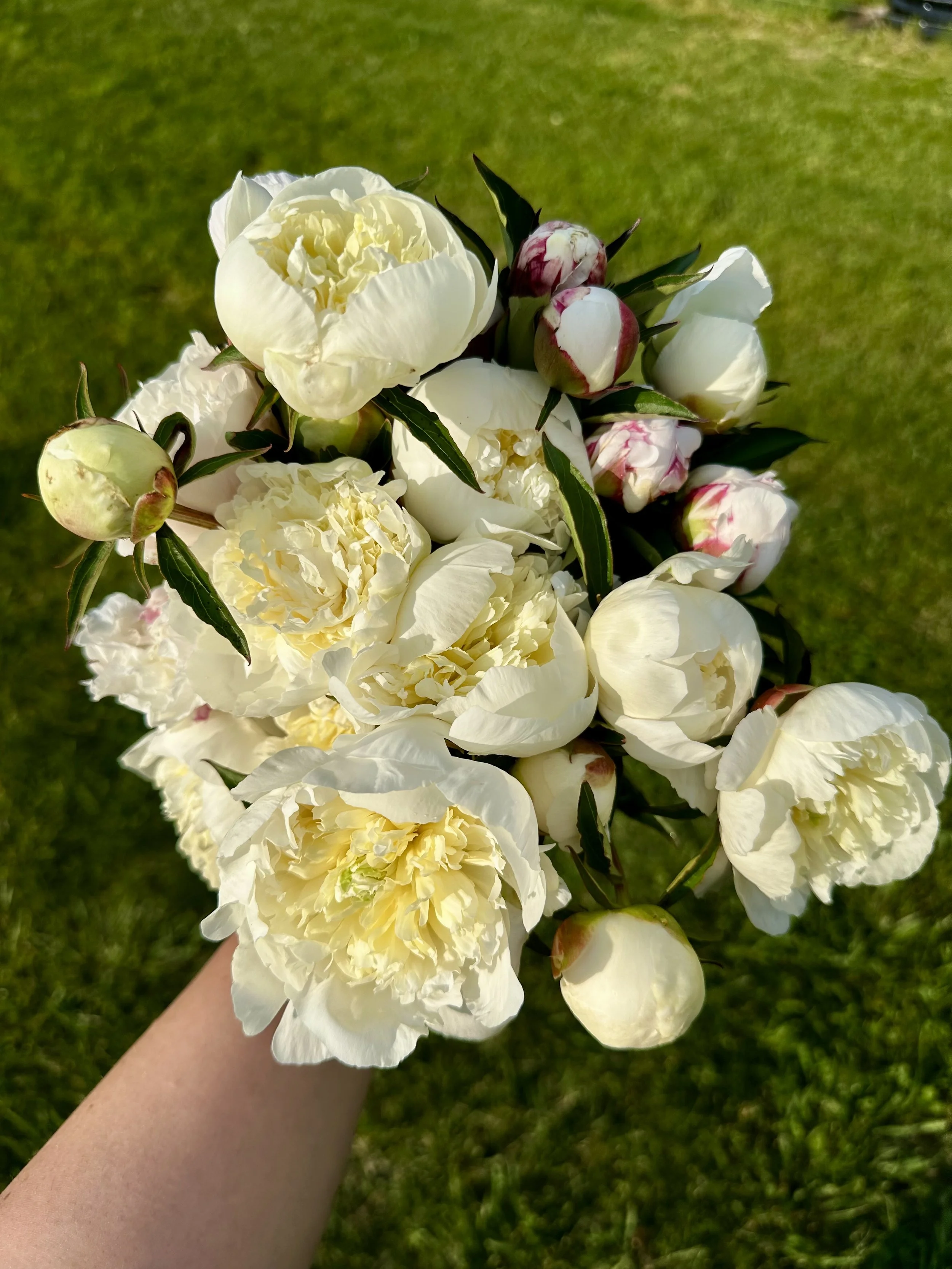
You can harvest them at marshmallow stage, wrap them in newspaper, and refrigerate for up to 6 weeks for later use. It’s how many designers manage early June blooms for late July weddings.
I’ll be sharing a deeper dive on how to dry store peonies soon—sign up for the newsletter if you're curious!
Final Thoughts: Beauty That Waits for You
Planting peonies taught me a lot about slowing down, trusting the process, and investing in beauty that takes its time. These flowers ask us to think long-term—to believe in what we can’t see yet. That kind of growing is the most magical of all.
If you’re dreaming of your own patch of peonies, this fall is the time to start.
🌸 Peonies are a love story written underground. Here's to the flowers that are worth the wait.
With love and dirt under my nails,
— Alex💌 Want more growing tips and behind-the-scenes peeks at flower farming? Subscribe to the Bede’s Blooms newsletter or follow us on Instagram @bedesblooms for weekly updates from the field.
