

2025: Staying, Simplifying, & Designing with Heart
A reflective look back at 2025 at Bede’s Blooms + Co., sharing the blooms and bare stems of running a small Michigan flower farm and floral design business. From weddings and community florals to large-scale installations and lessons in sustainability, this post explores choosing simplicity, balance, and designing with heart as we step into 2026.
I haven’t written a Petals & Prose reflection in months — life, work, the seasons, and the weight of this year all seemed to pull me in different directions. But as this year closes, I want to sit with you for a moment and honestly look both backward and forward.
The beautiful and the broken. The blooms and the bare stems.
2025 was not easy.
There were seasons of deep exhaustion, tears I didn’t expect, and moments where the grit it took to keep going surprised even me. There were days I questioned whether I could — or should — keep doing this. I almost quit.
But something meaningful came from the rest, the reflection, the tears, and the hard work. Stepping back gave me clarity. The hard moments softened my perspective. And choosing to stay — even when it felt heavy — reminded me why I started Bede’s Blooms + Co. in the first place.
What emerged wasn’t a desire to do more.
It was a desire to do what matters, with intention.
A Year of Honoring Love Stories
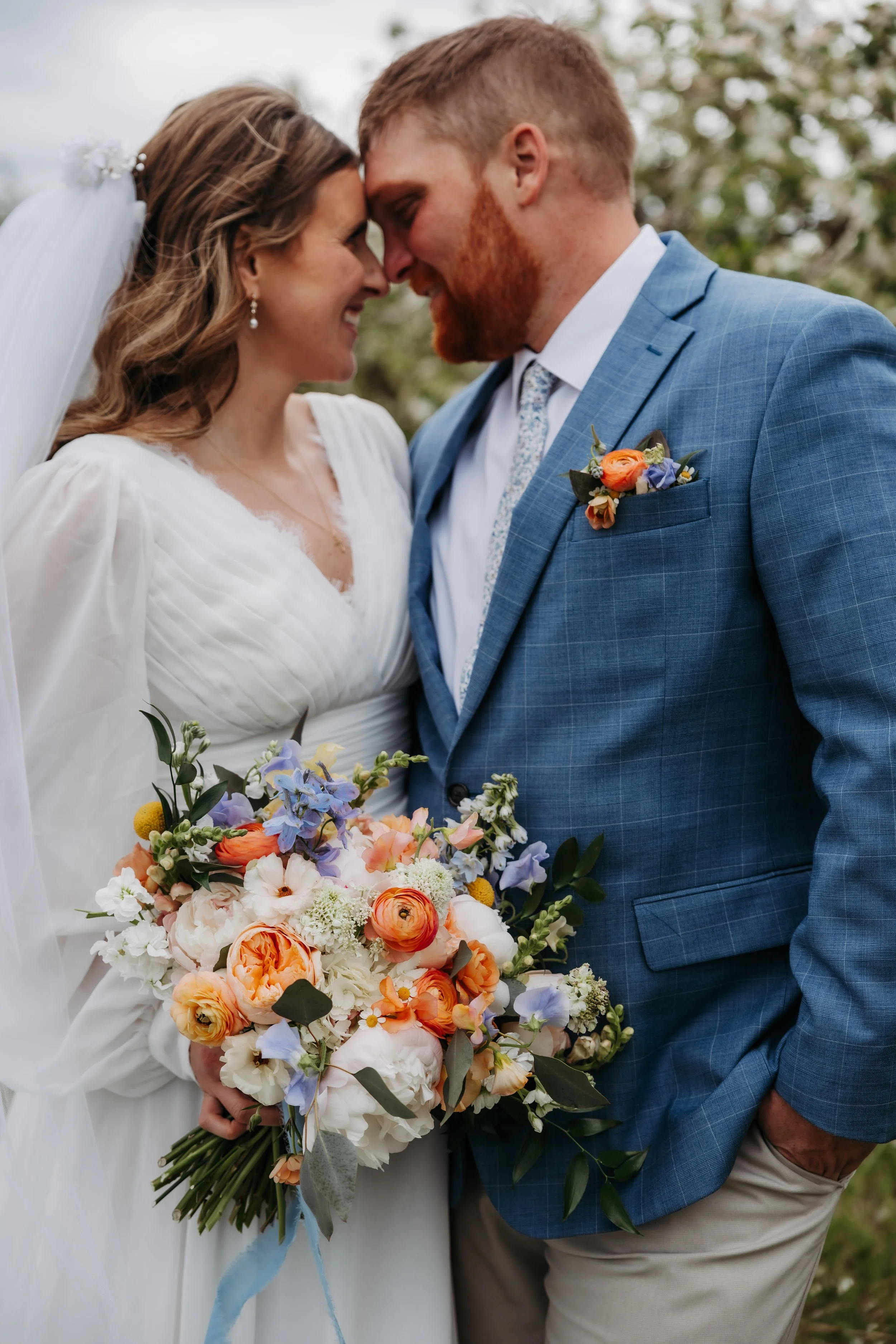
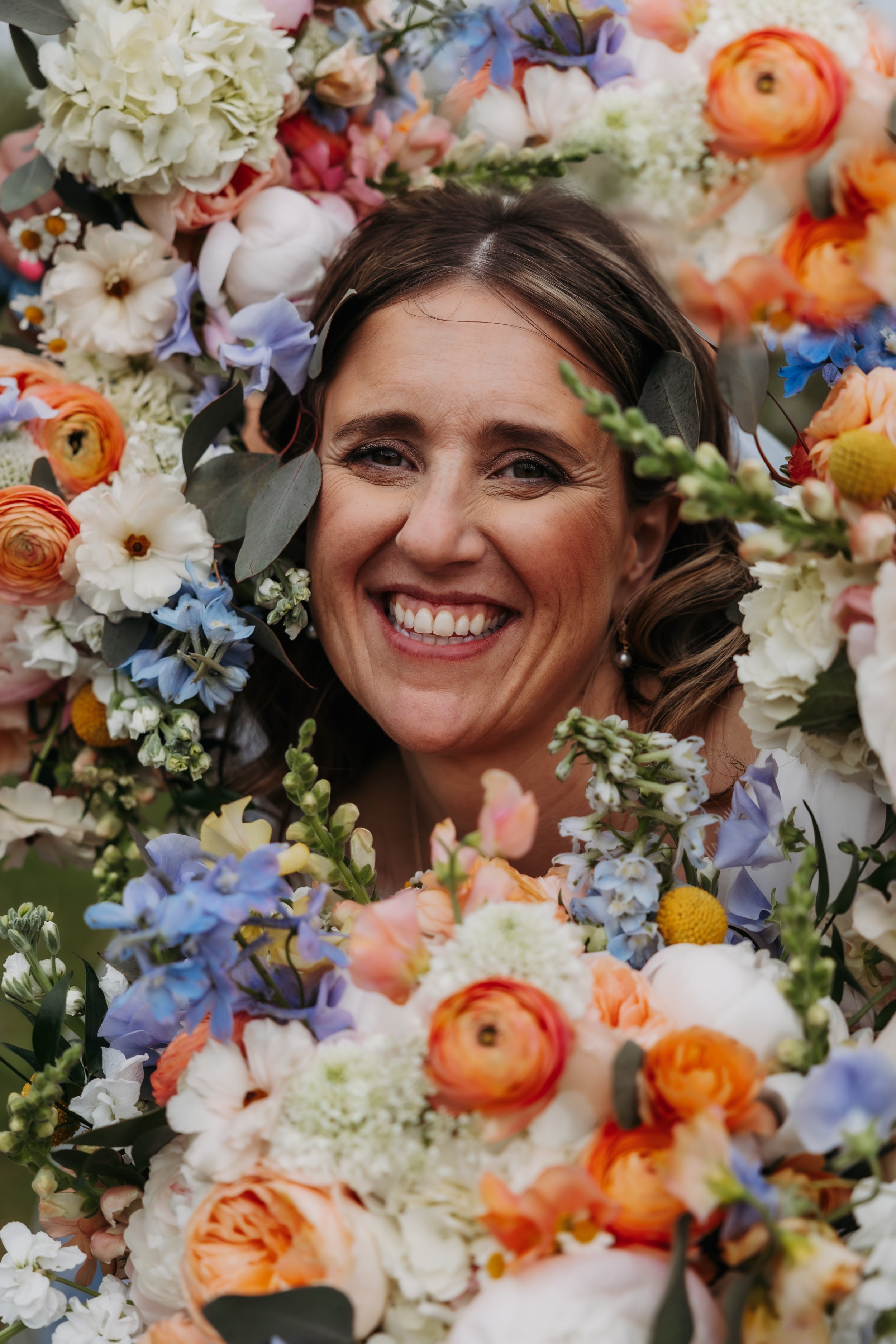
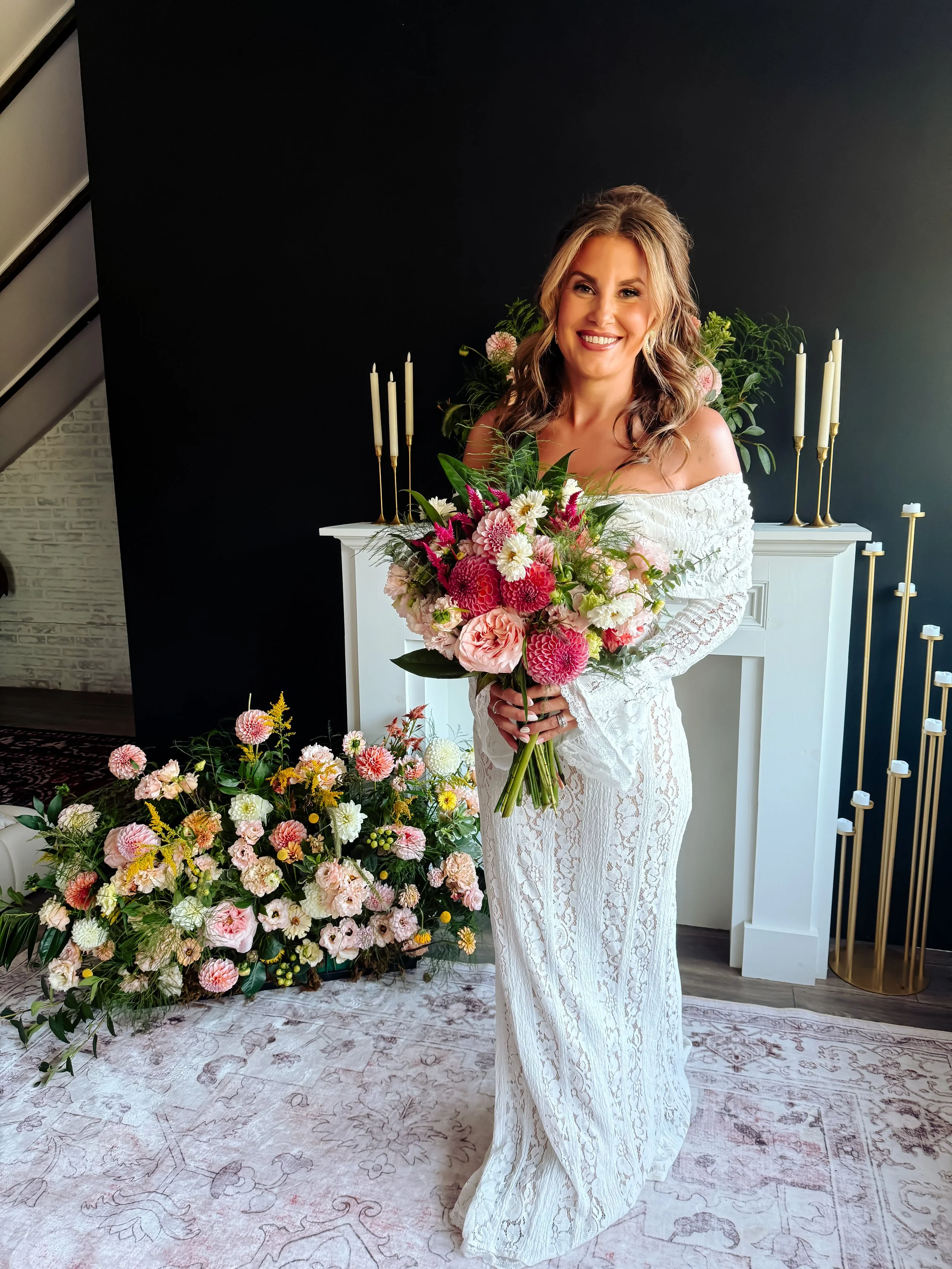
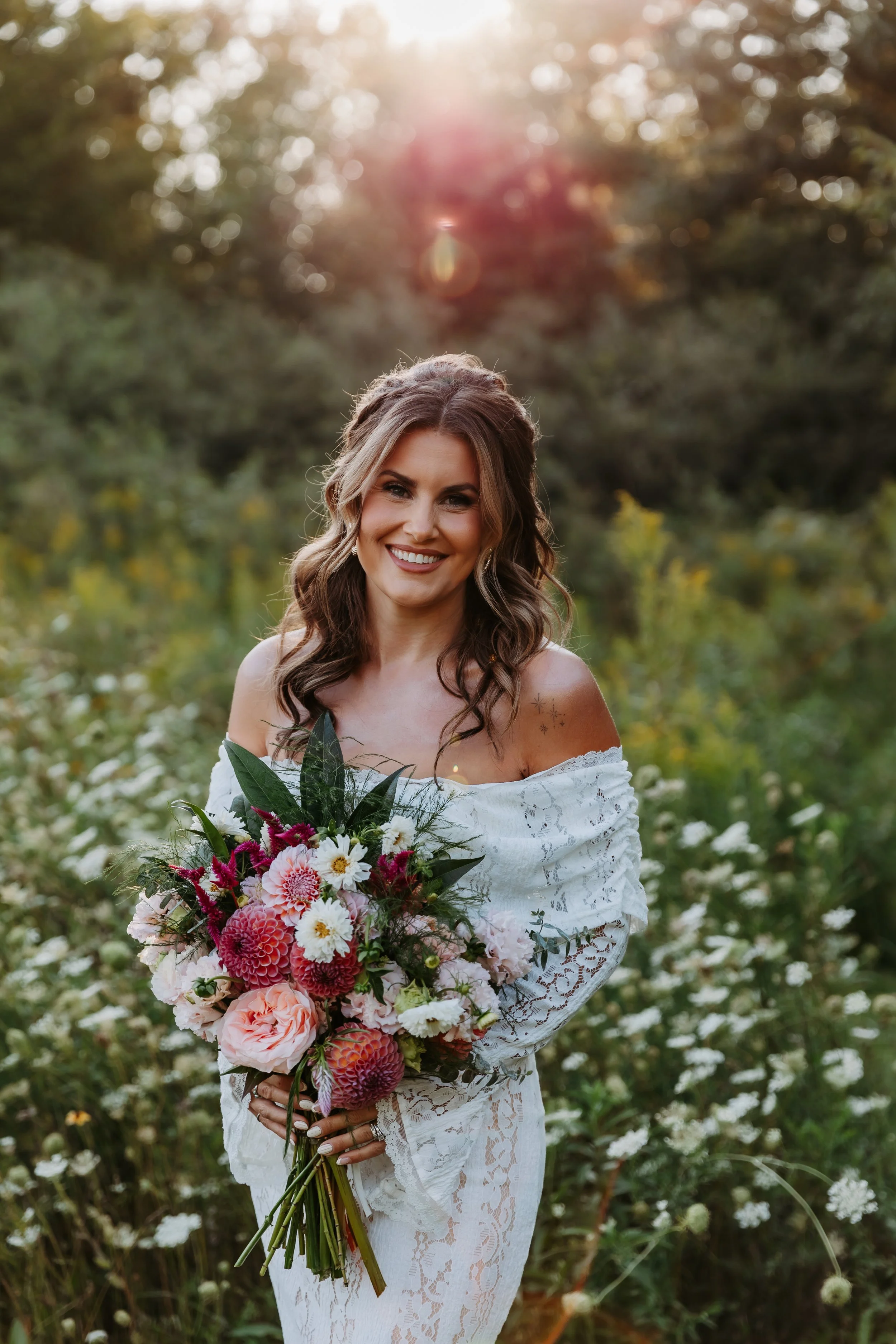
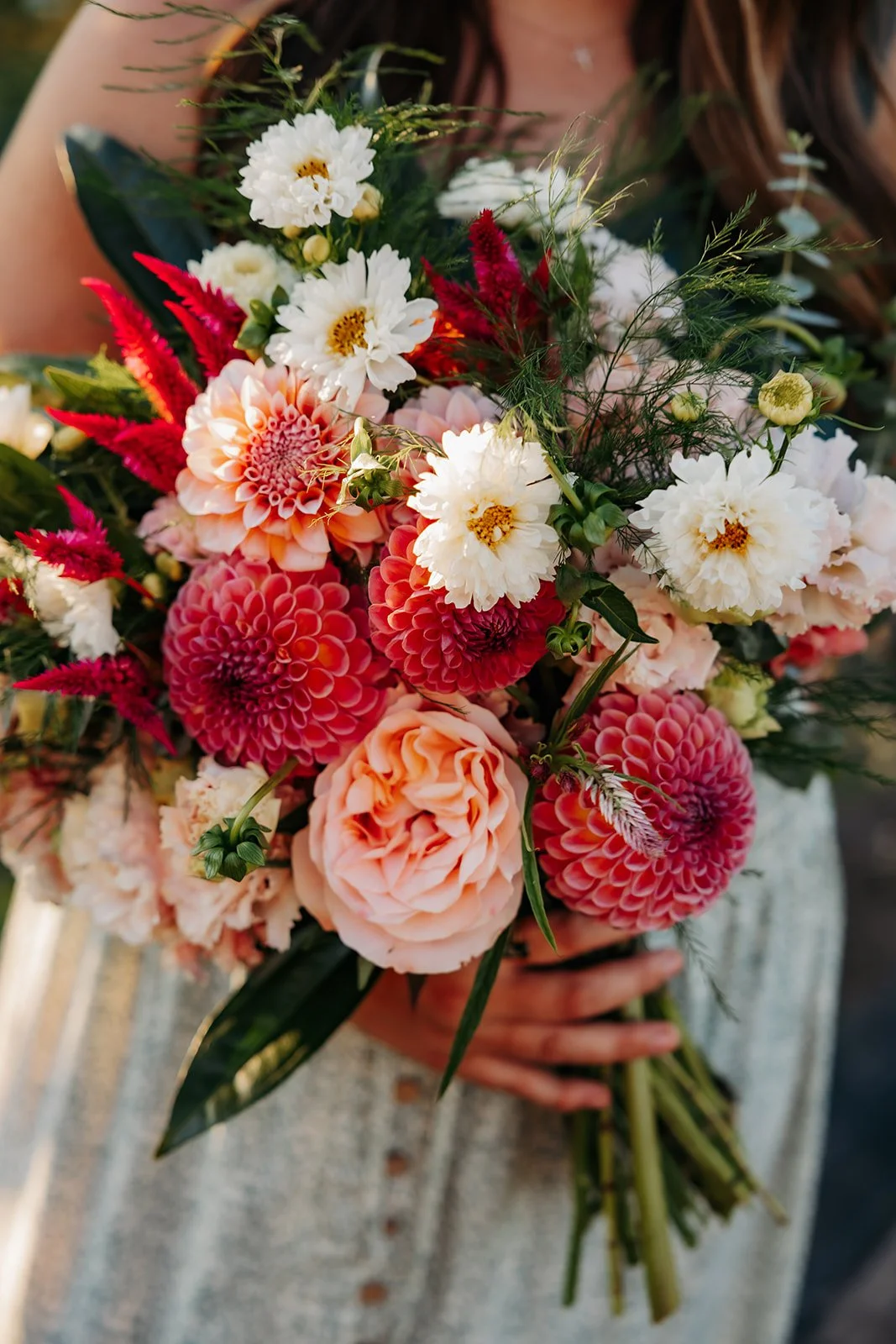
One of the greatest joys of 2025 was working with my brides. Each wedding felt deeply personal, and I don’t take that lightly. I become invested — in your story, your vision, and creating florals that feel like you.
My wedding season began in May with a wedding that will forever hold a special place in my heart — designing for my best friend, who is also my helping-hand assistant and such a big part of the future of Bede’s Blooms + Co. Starting the season that way felt full-circle and grounding, especially in a year that asked so much.
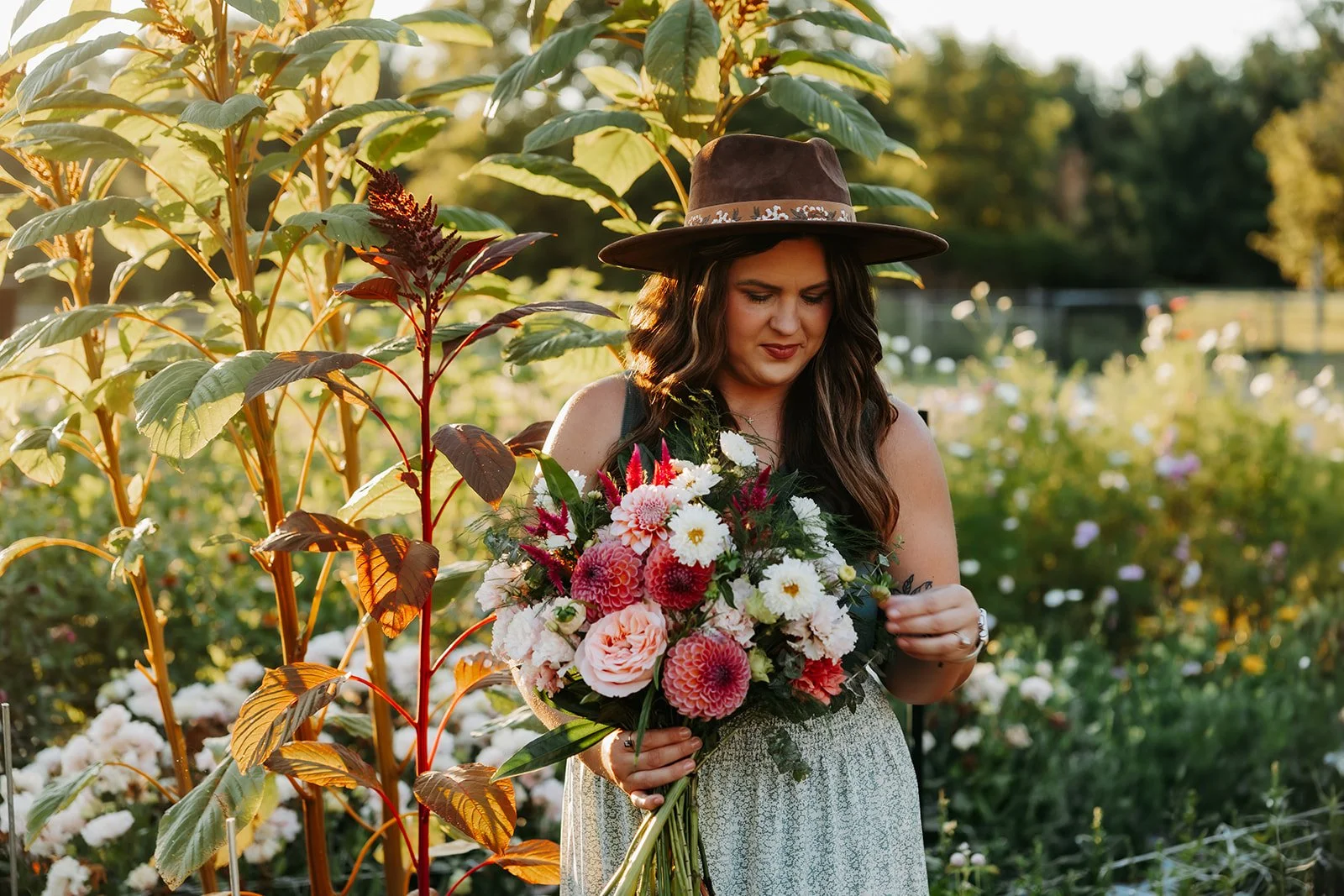
I was so honored to bring each bride’s vision to life, thoughtfully and intentionally. From color palettes to flower choices, every detail mattered — because your day matters. Designing florals for weddings is more than arranging flowers for me; it’s about telling a story through texture, movement, and seasonality.
We closed our wedding season early this year in September, flowering for The Cookes. Their wedding was filled with so much pure love and joy. It was such a blessing to work with them throughout the year — even growing specific varieties of flowers just for their day. That kind of trust is something I hold close, always.




Designing with Care, Always
If there’s one thing 2025 reinforced, it’s this: quality and care will always come first in my work.
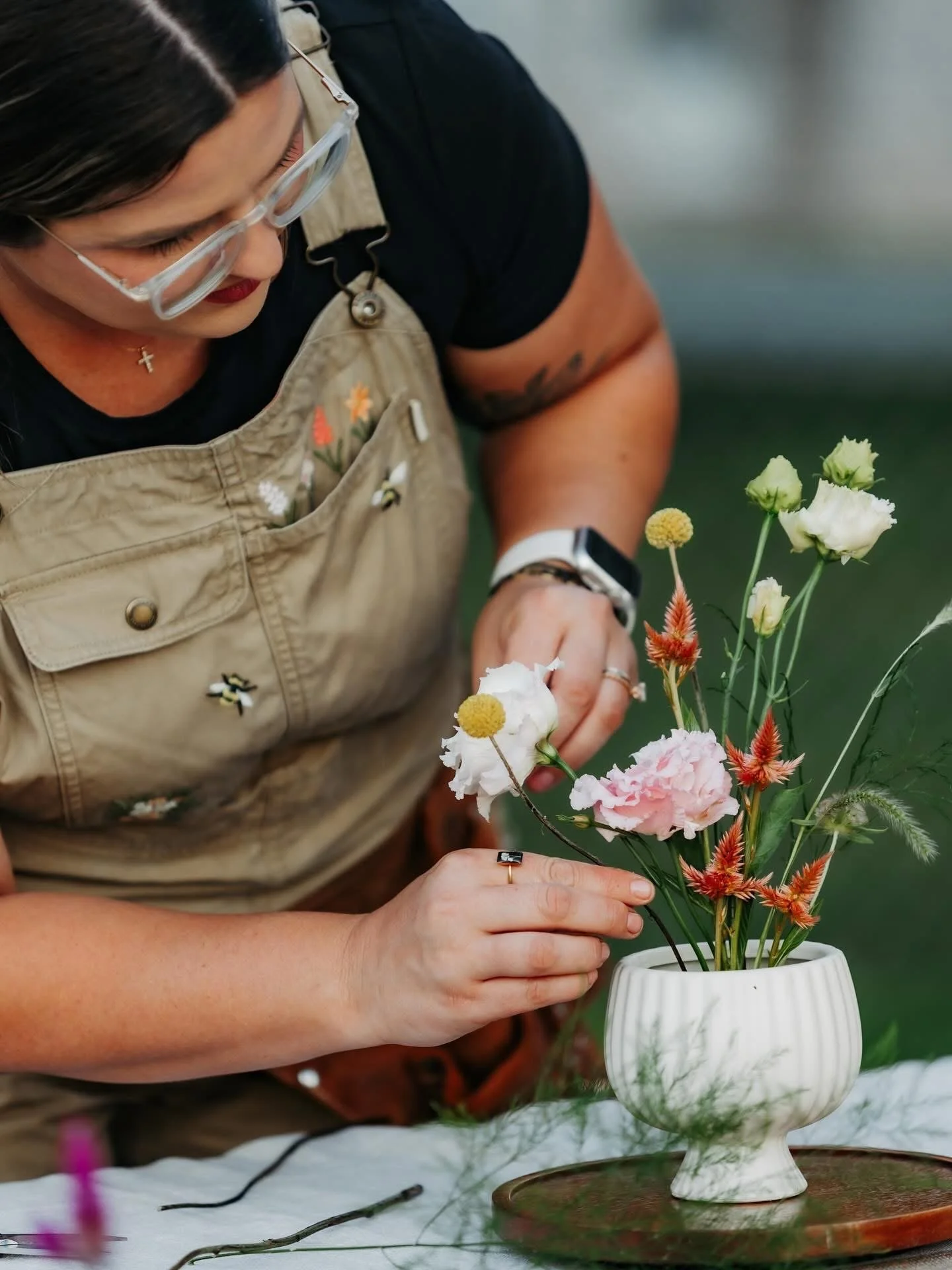
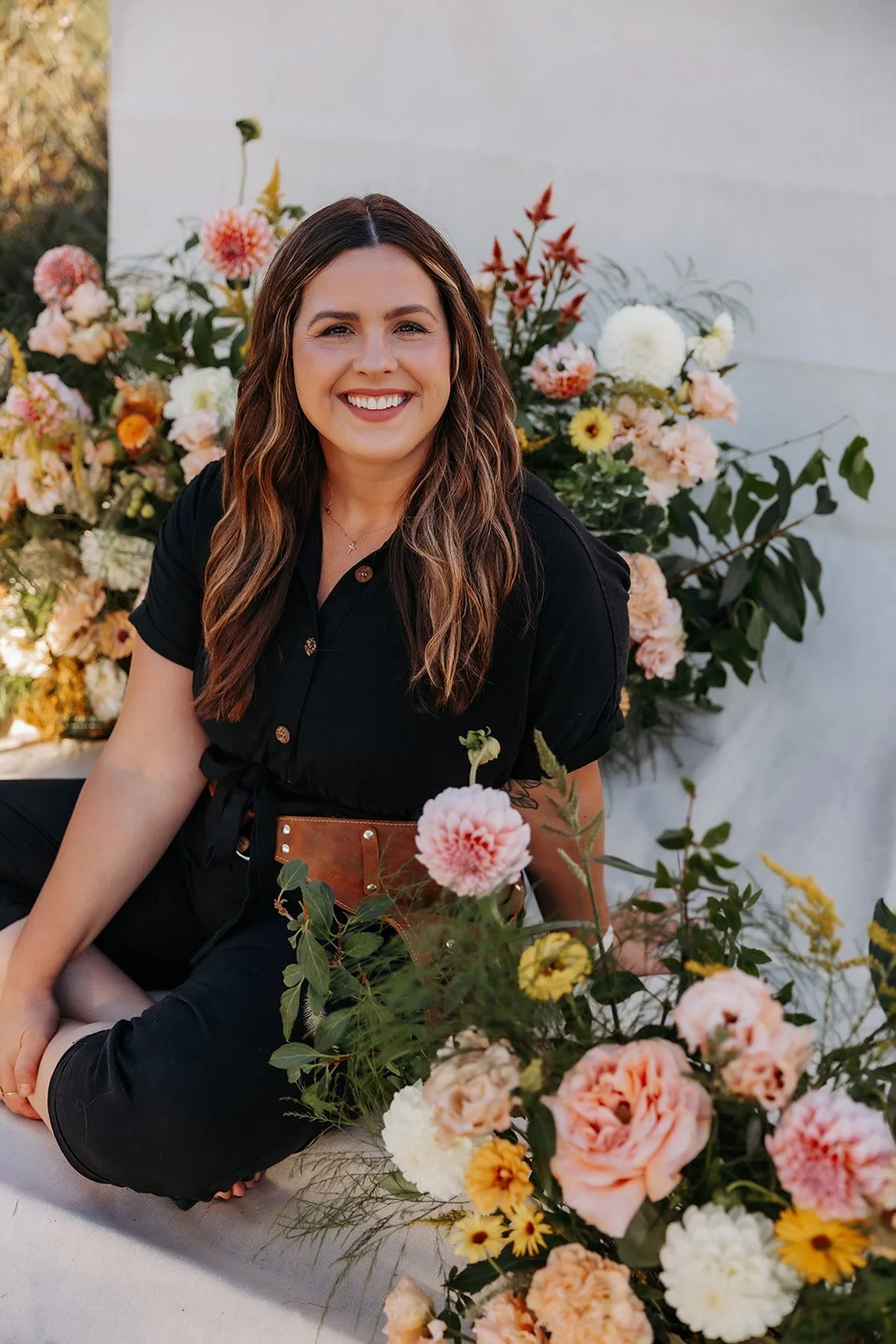
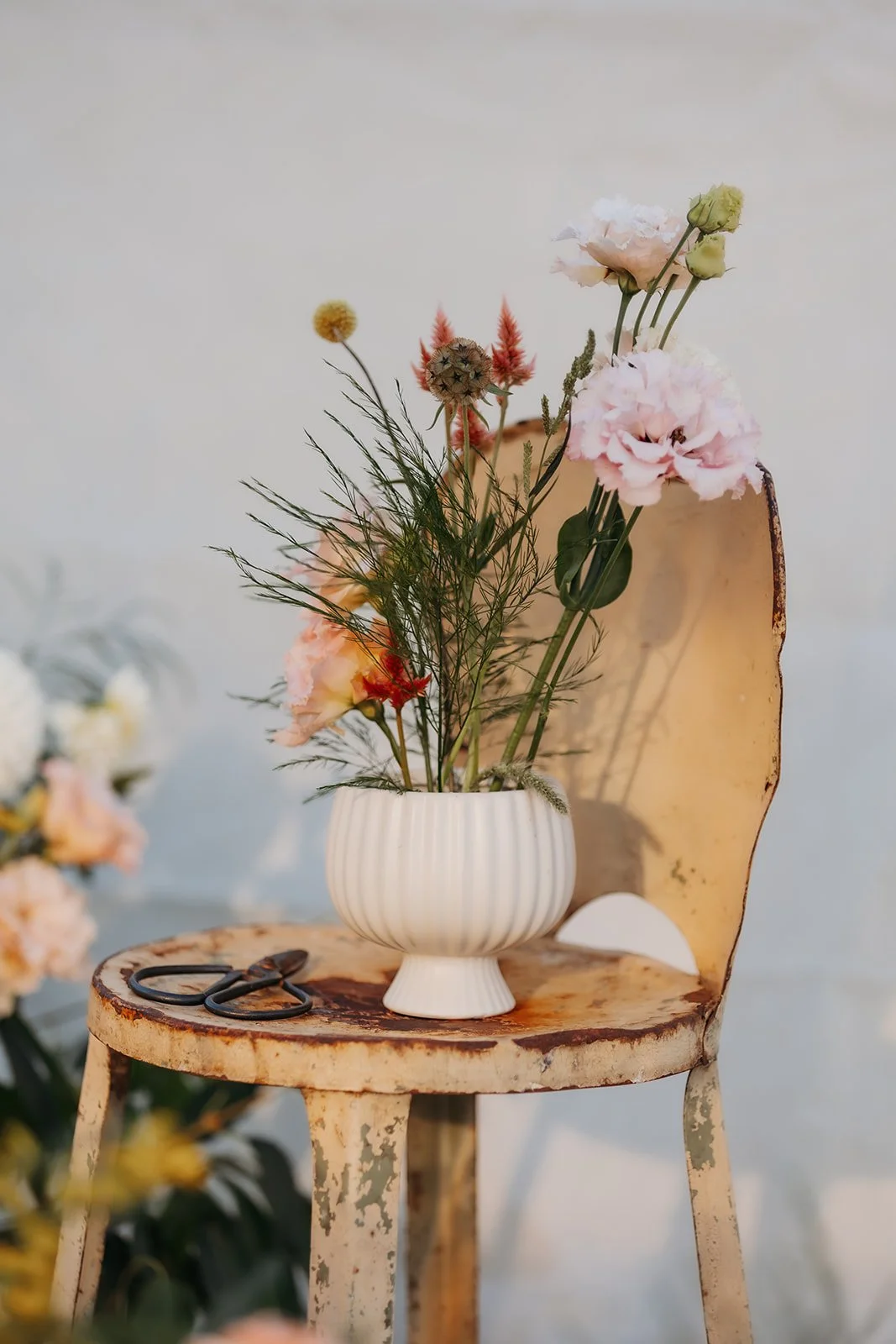
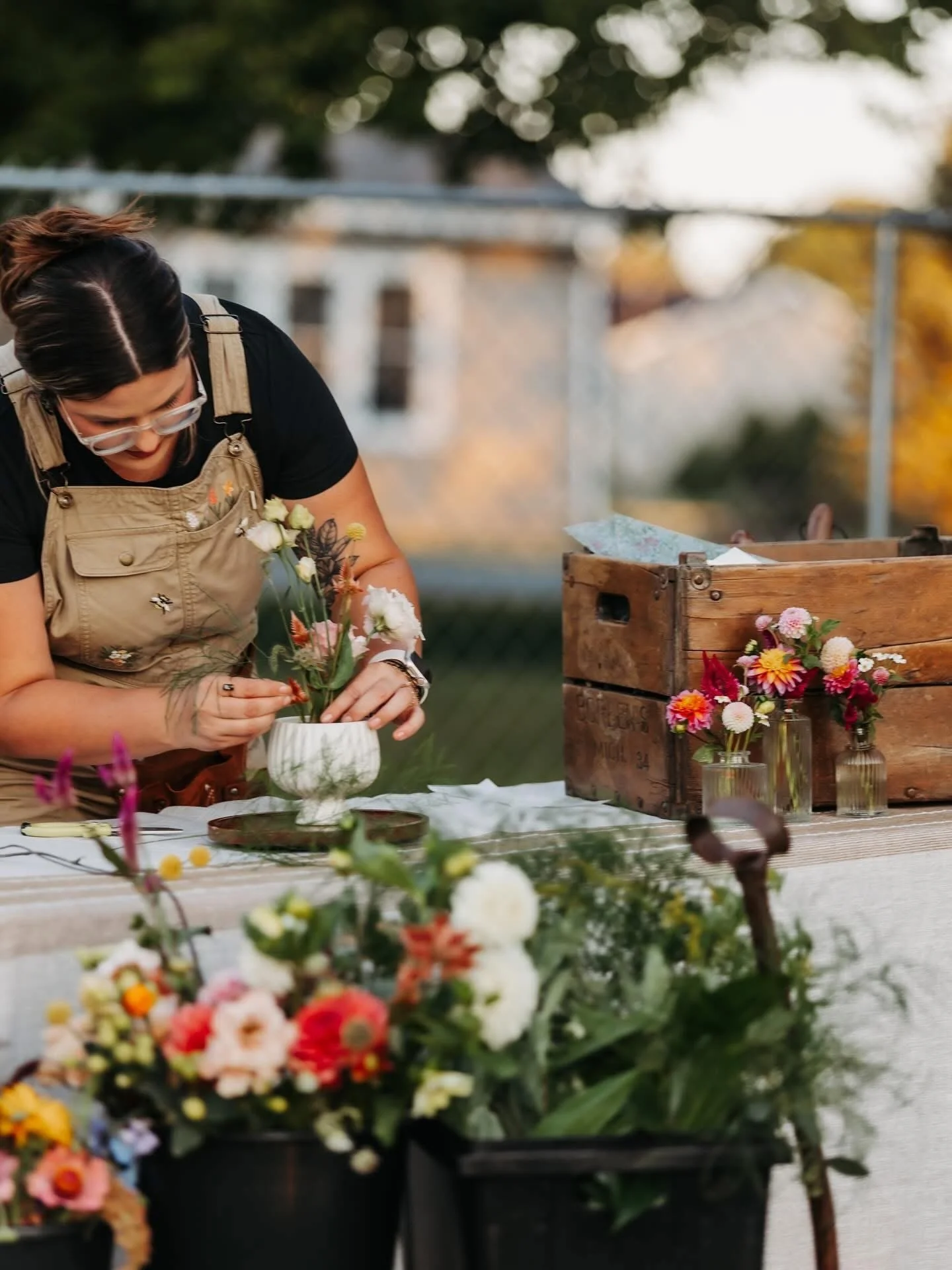
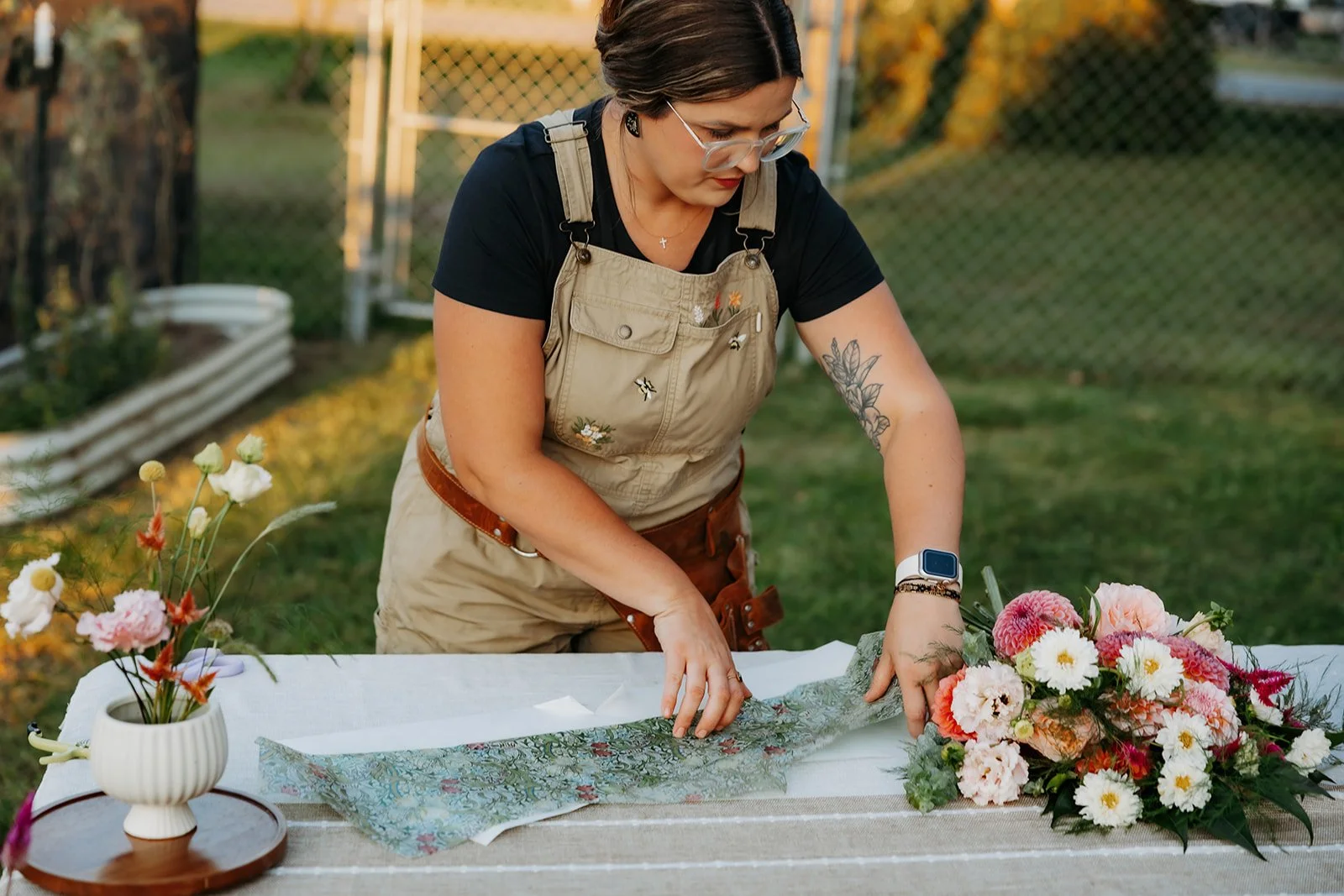
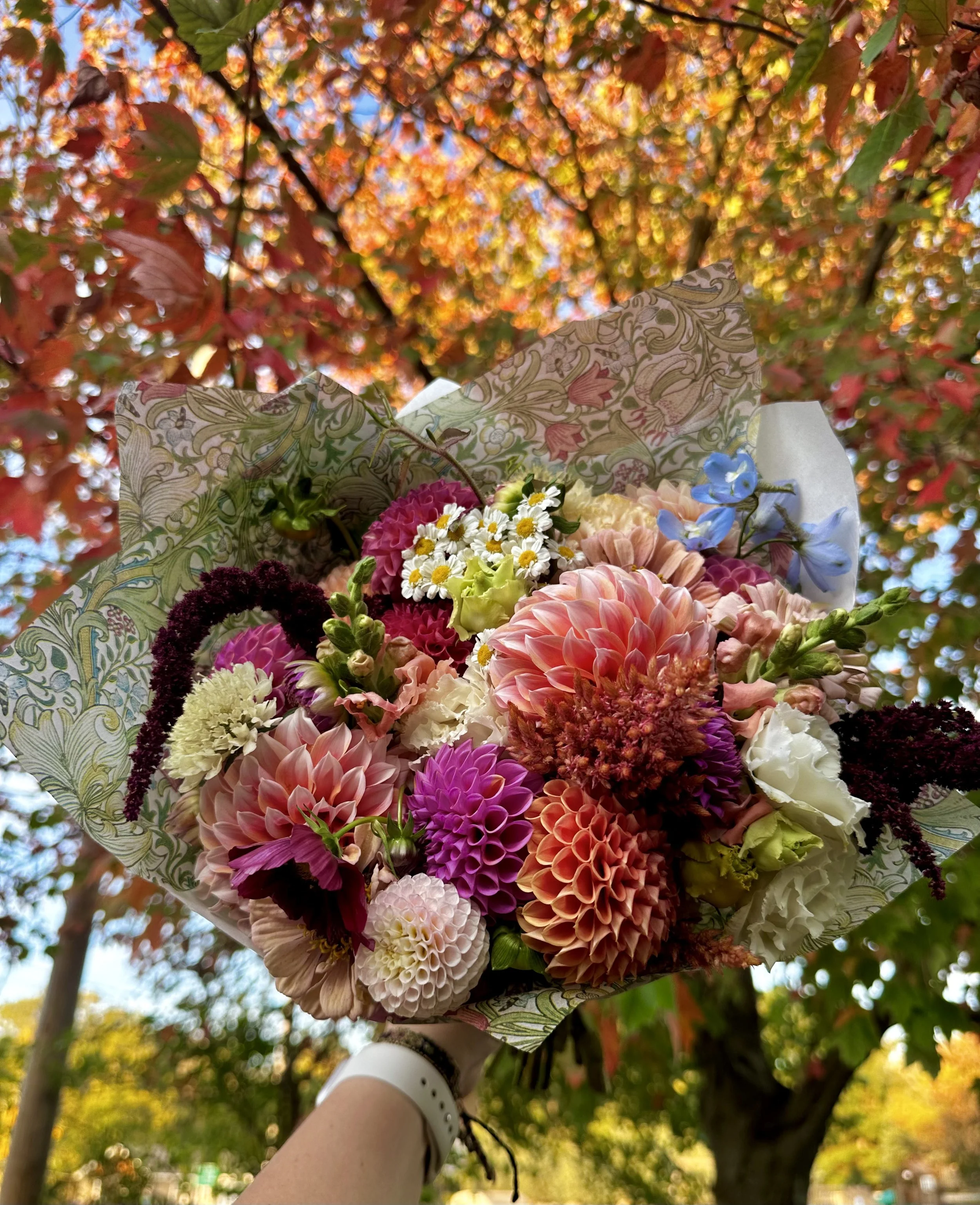
When you work with me as your floral designer, you’re not just choosing flowers — you’re choosing intention, craftsmanship, and a designer who truly cares. I believe flowers should feel thoughtful, personal, and well-loved. Every stem is chosen with purpose. Every arrangement is designed with care.
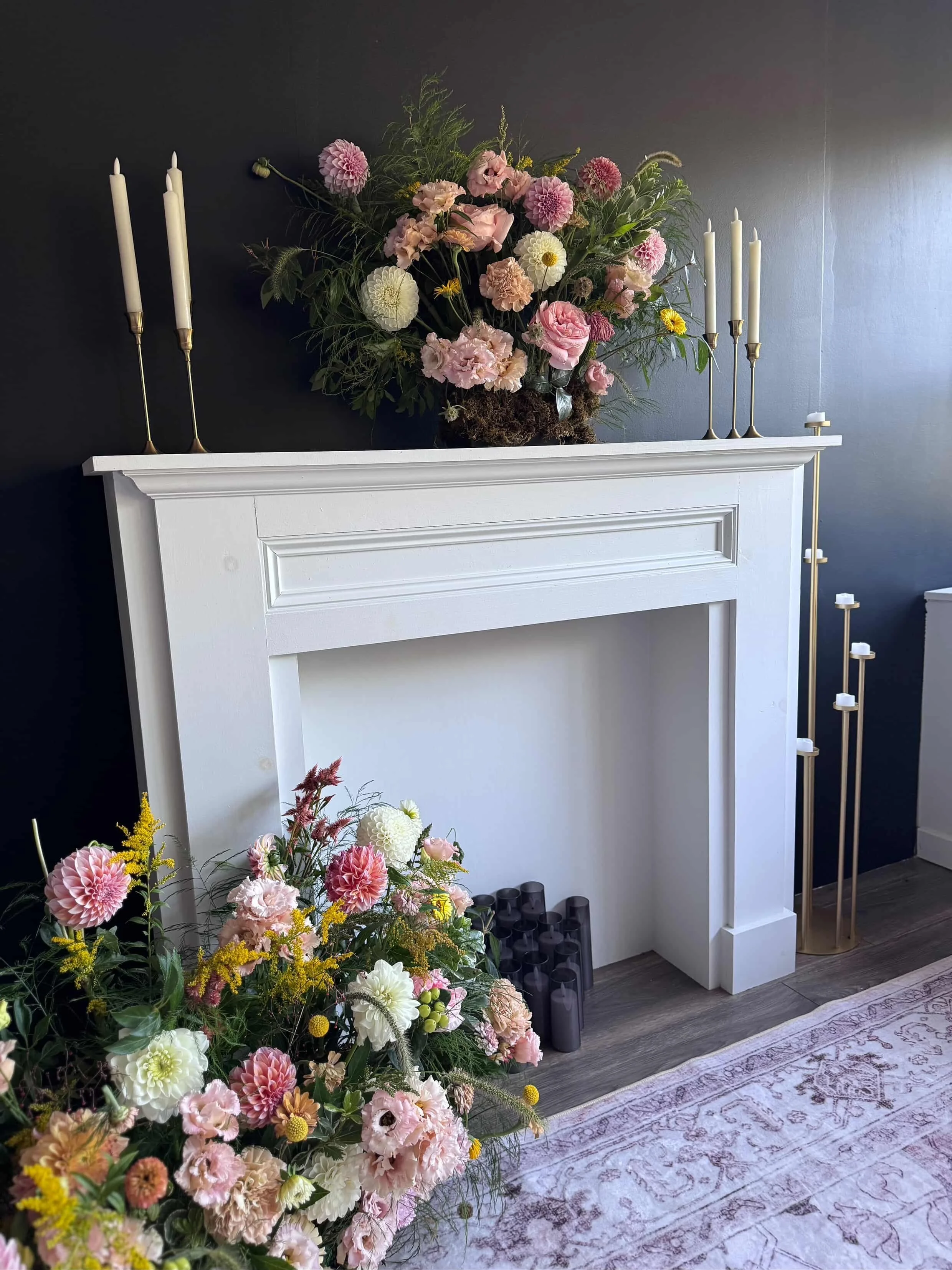
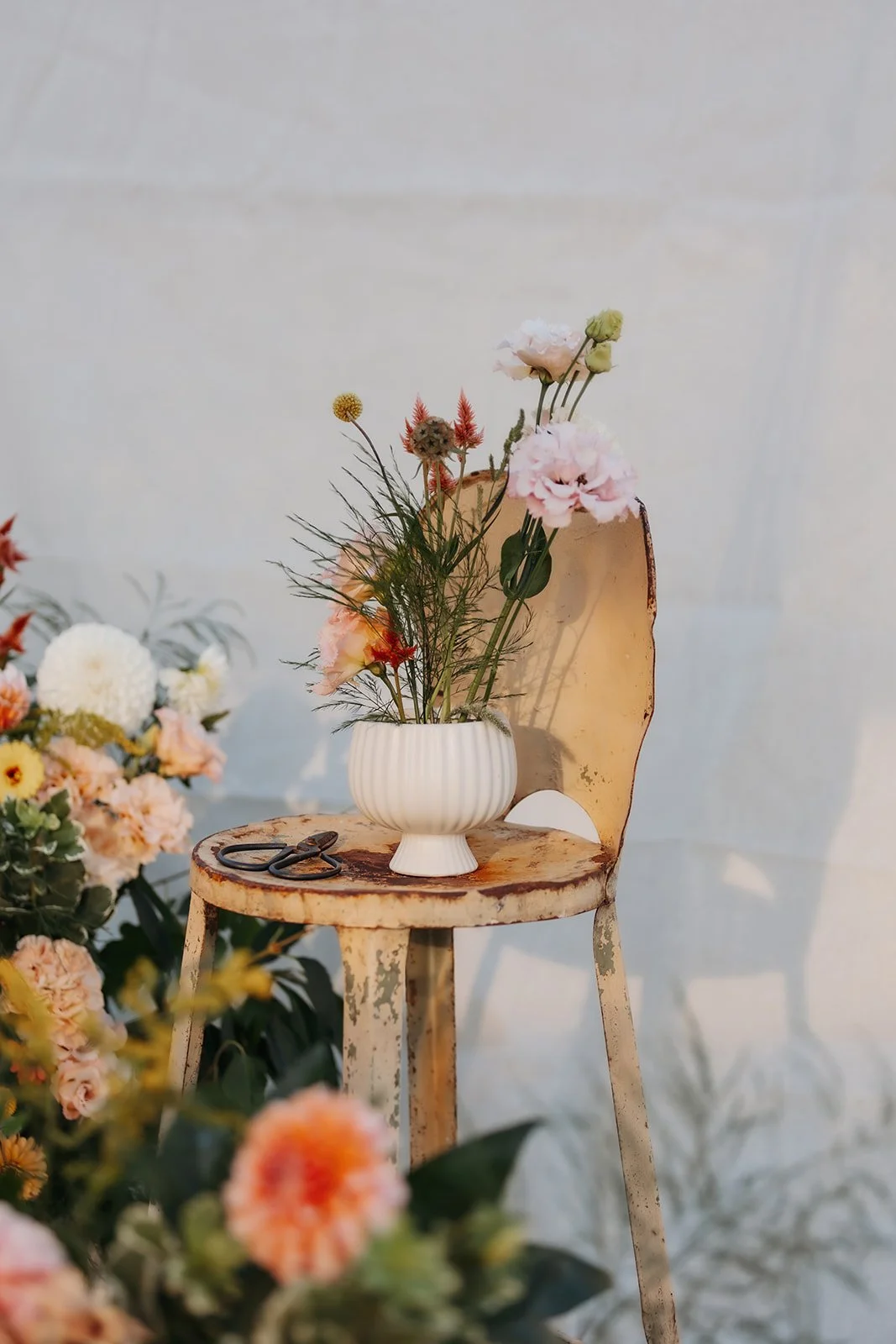
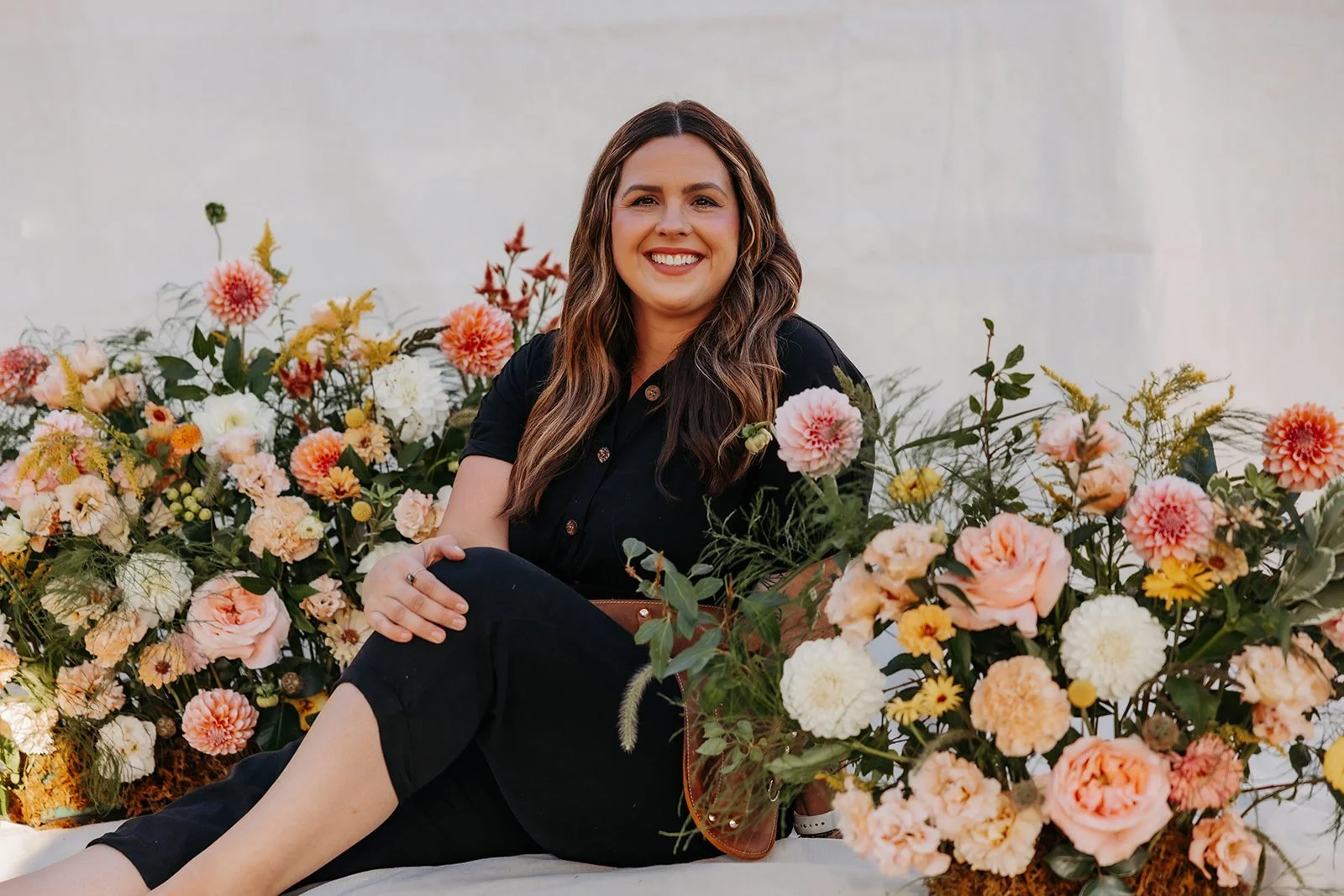
This year also brought opportunities to collaborate creatively through styled photo shoots and collaborations with incredibly talented Michigan photographers. These moments of creativity reminded me how much I love pushing design, playing with color, and telling visual stories. I look forward to doing more styled shoots in the future — creating, experimenting, and collaborating with other local creatives.
Sustainability Looks Like Balance
Another lesson 2025 taught me is that sustainability isn’t just about how we grow flowers — it’s about how we care for the people growing them.
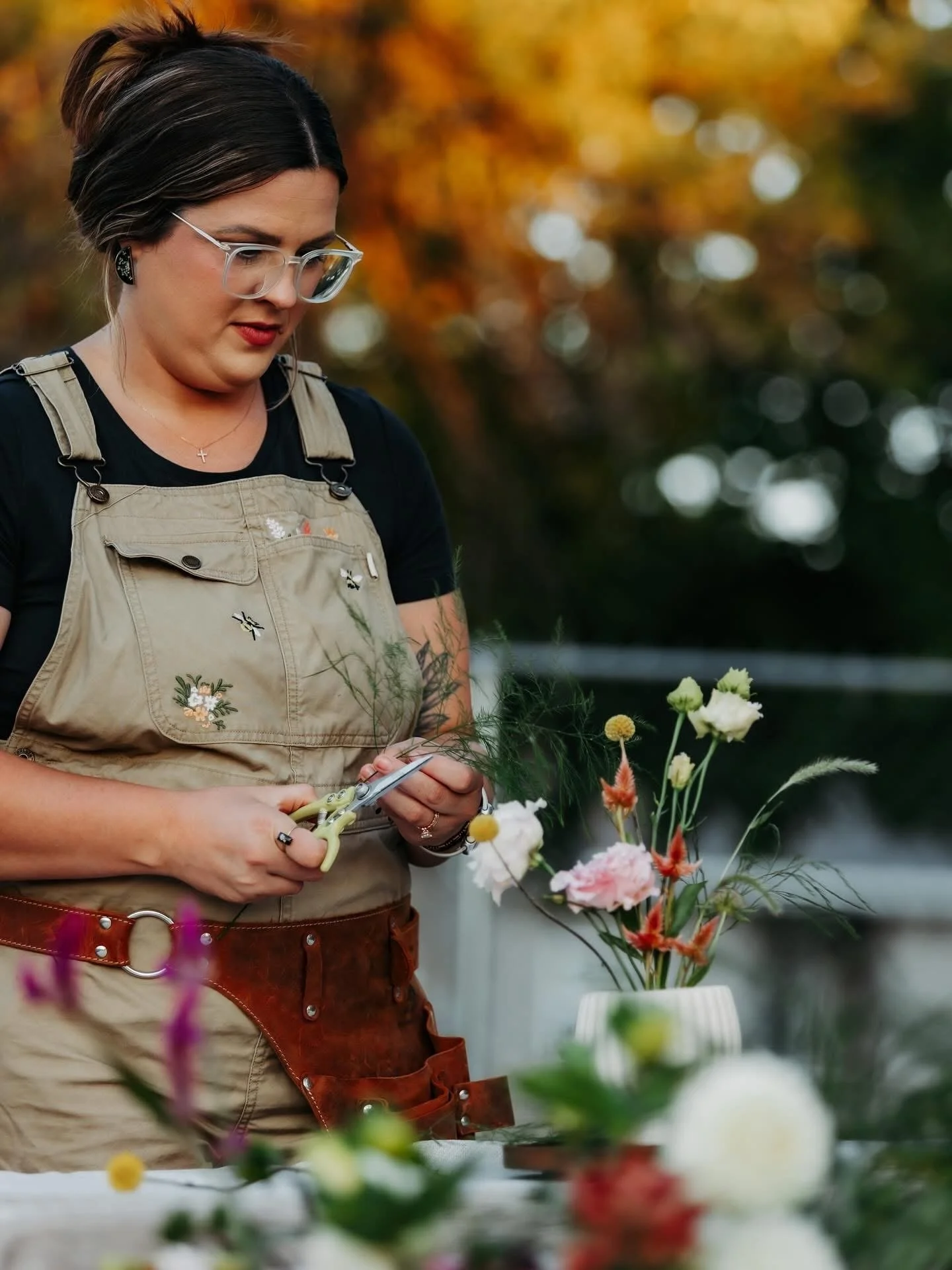
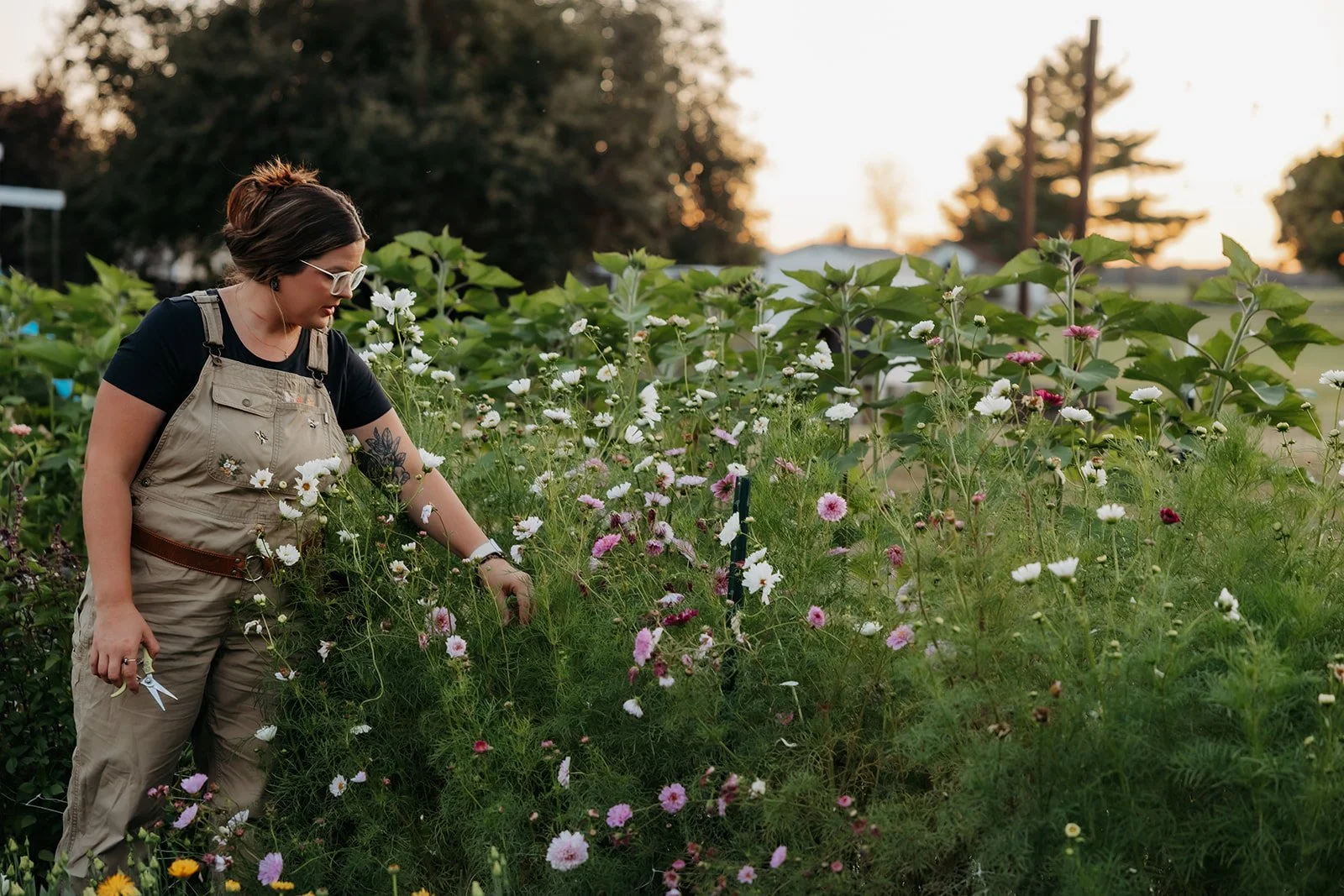
Bede’s Blooms + Co. is a small, intentional micro flower farm. We grow on just over a quarter of an acre, and every stem requires hands-on care — planting, weeding, harvesting, conditioning, designing. Flower farming is deeply rewarding, but it is also incredibly labor intensive, even at a small scale.
Balancing this work alongside a corporate career I truly love has required honesty about capacity. My corporate role is something I’m proud of and invested in growing, and honoring both paths means being thoughtful about what I take on — and what I don’t.
This is where simplification becomes essential. Not because the work isn’t meaningful — but because I want to continue doing it well, without burnout, resentment, or depletion. Sustainability, for me, means creating flowers with joy and intention, while also protecting the energy that allows this business to thrive long-term.
Community, Connection & Gratitude
Beyond weddings, 2025 was a year of deep community connection.
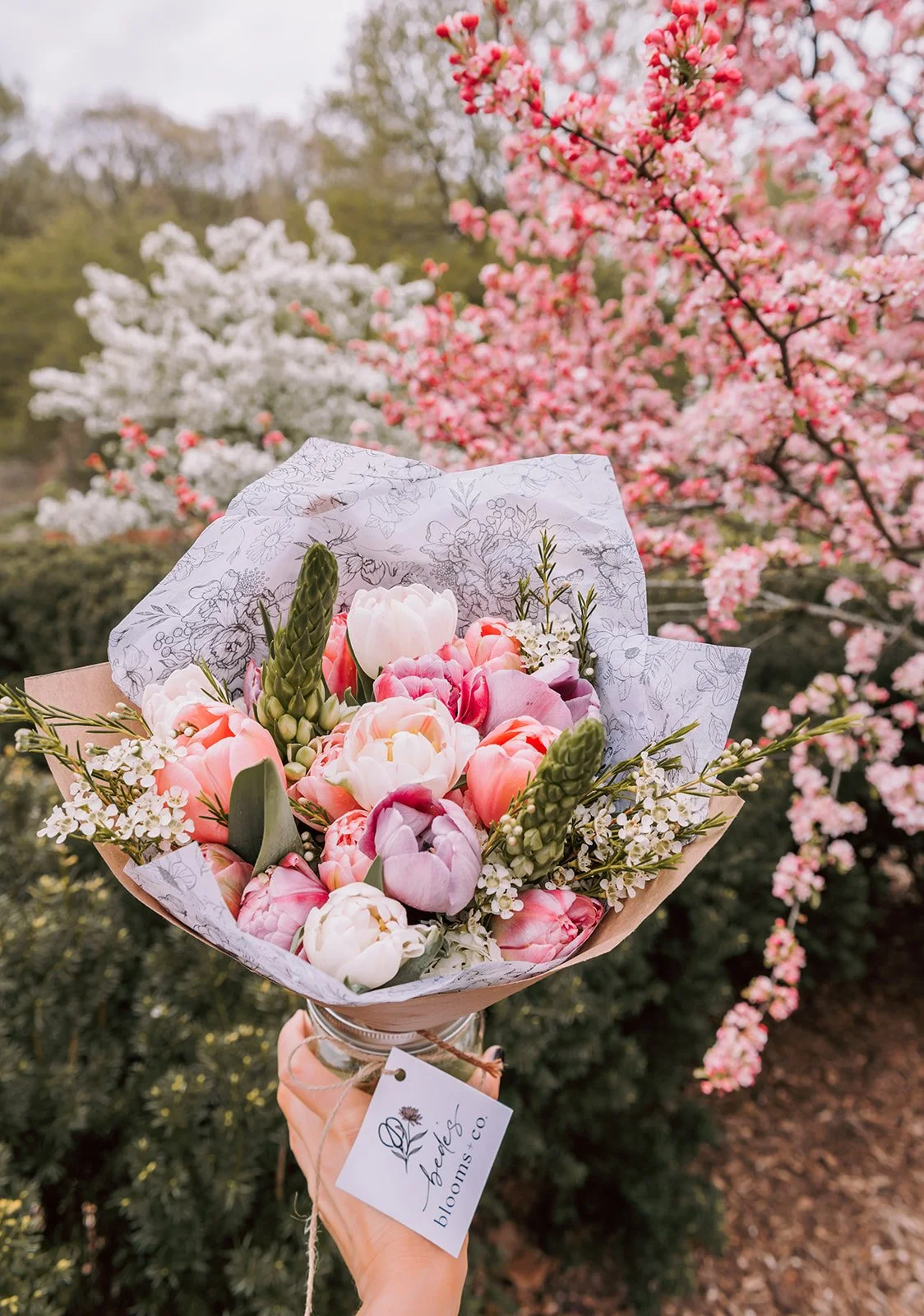
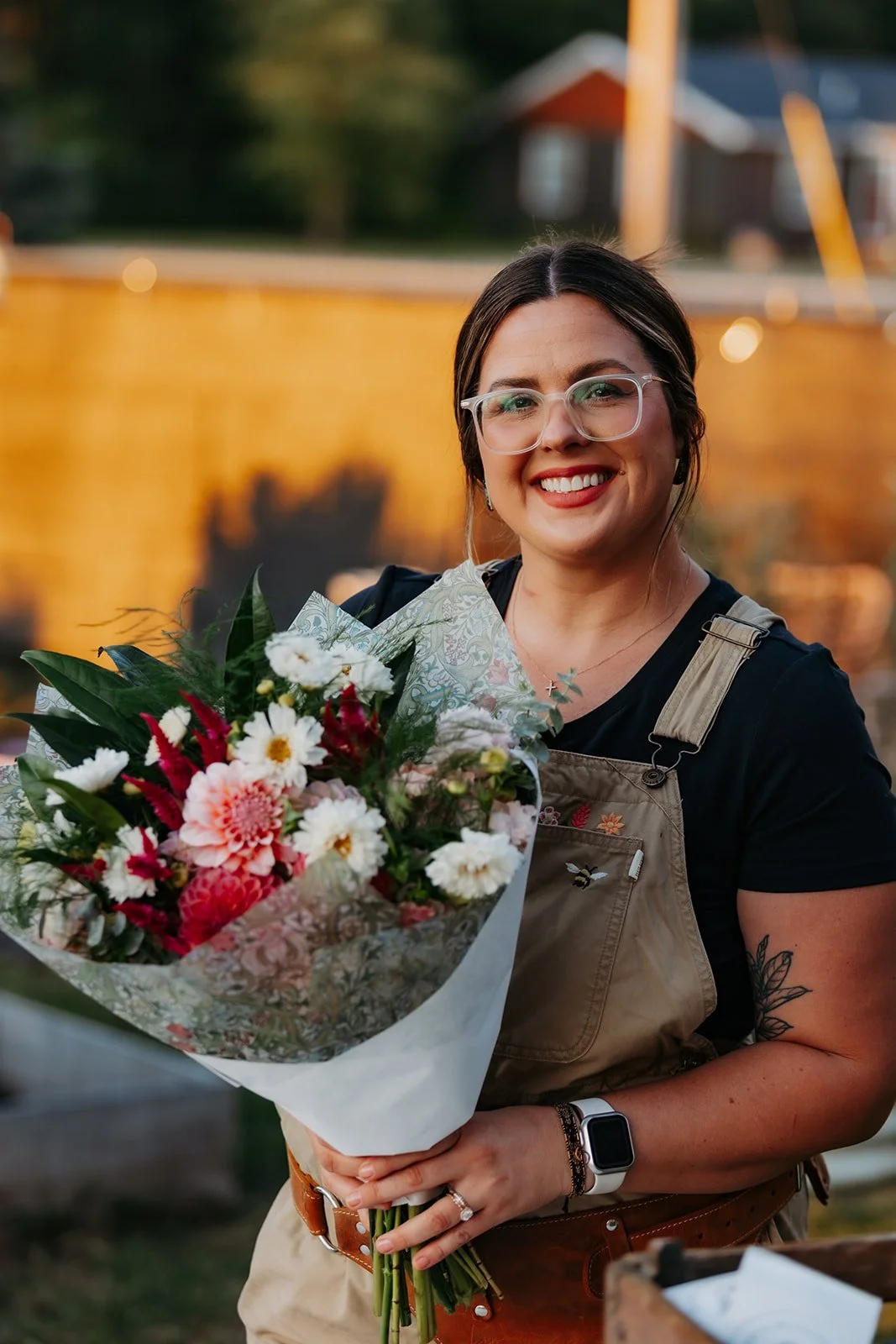
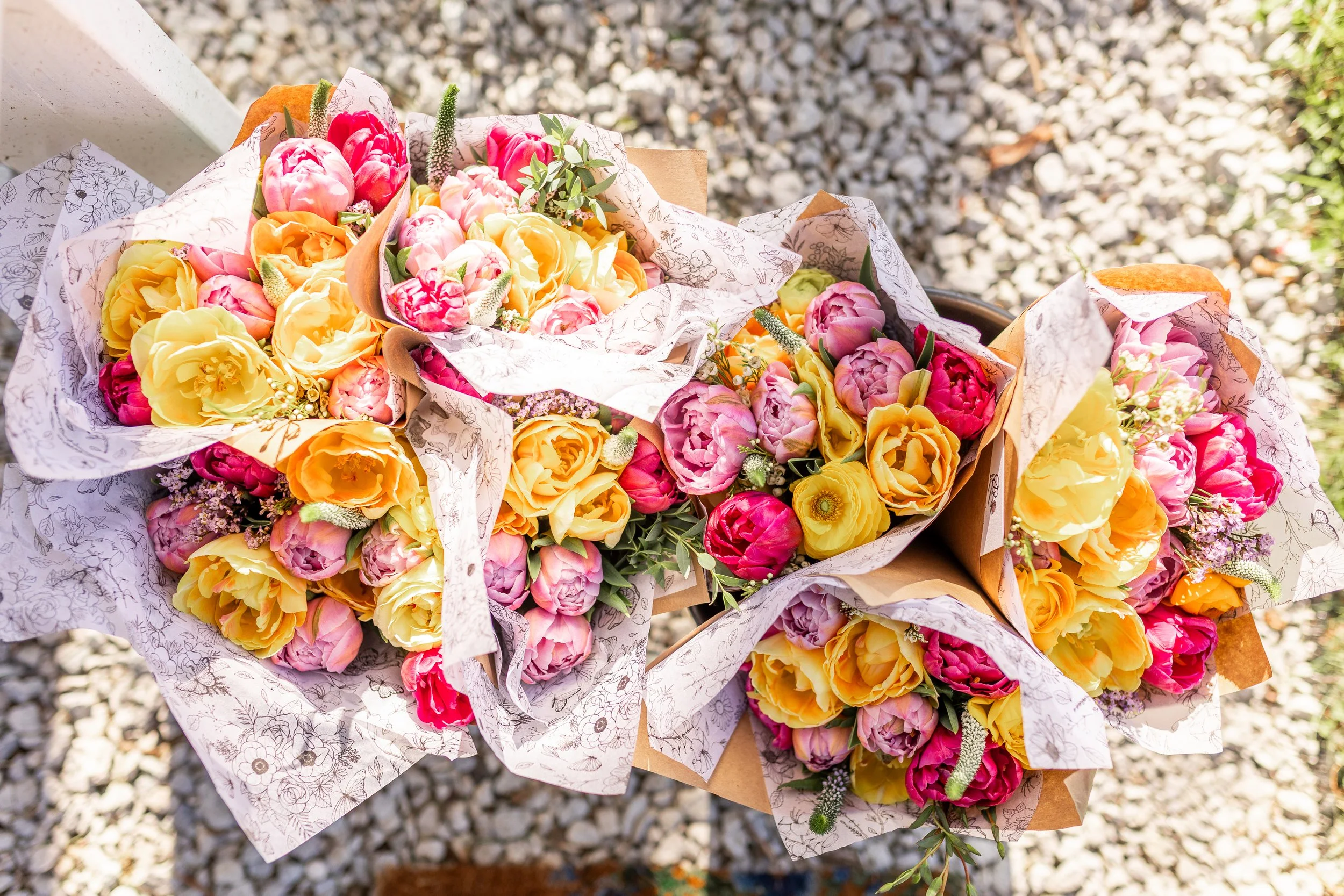
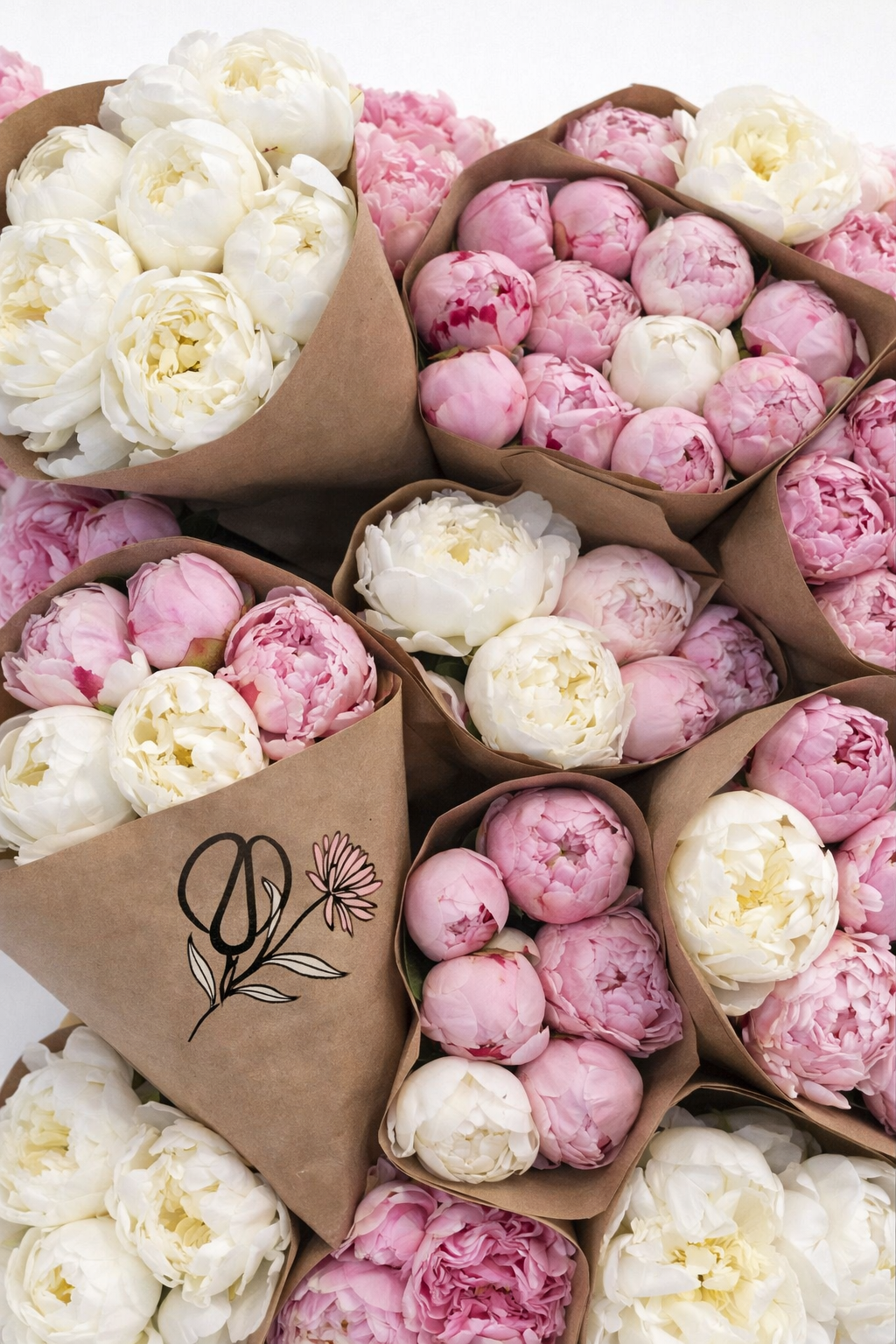
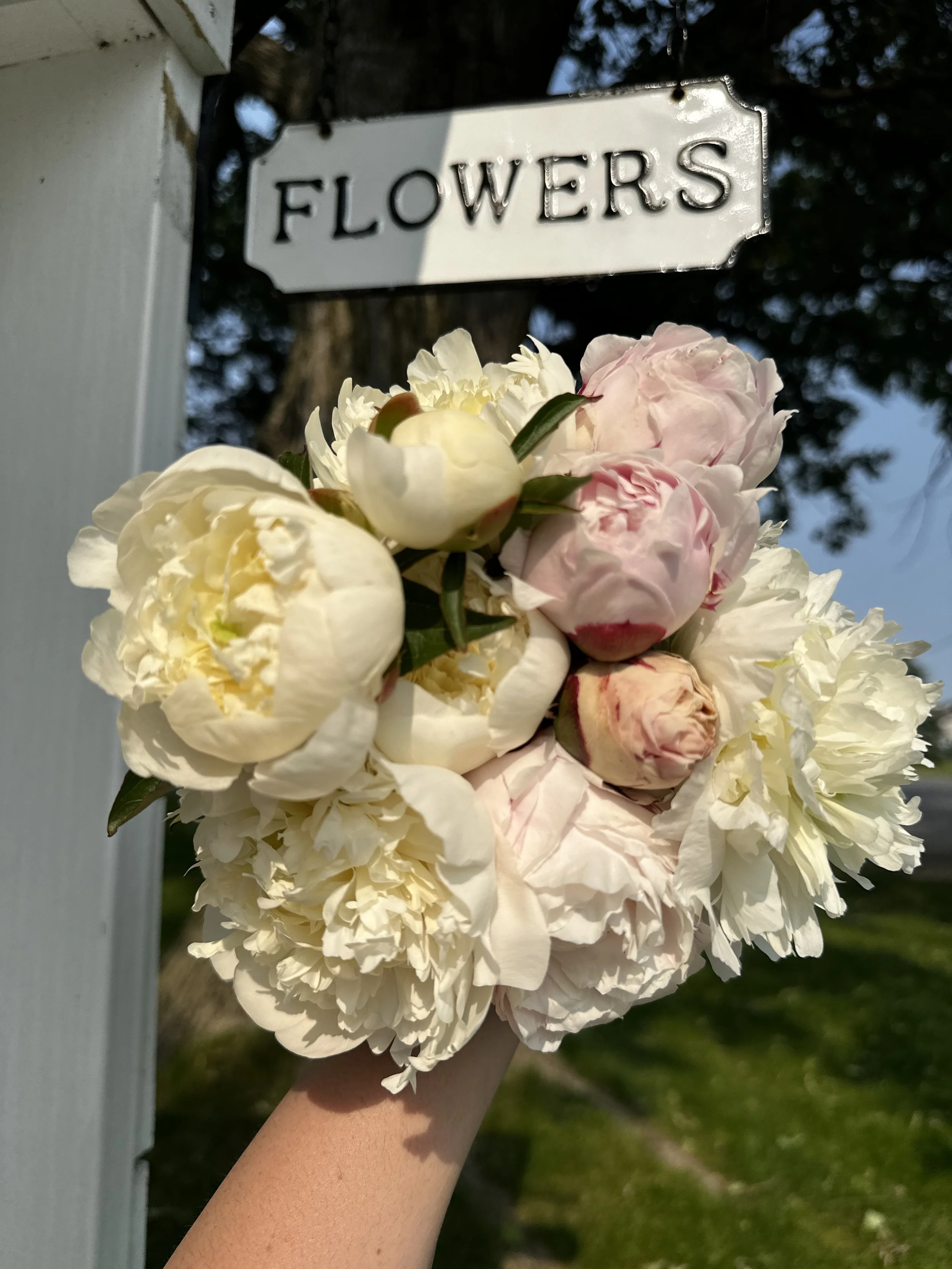
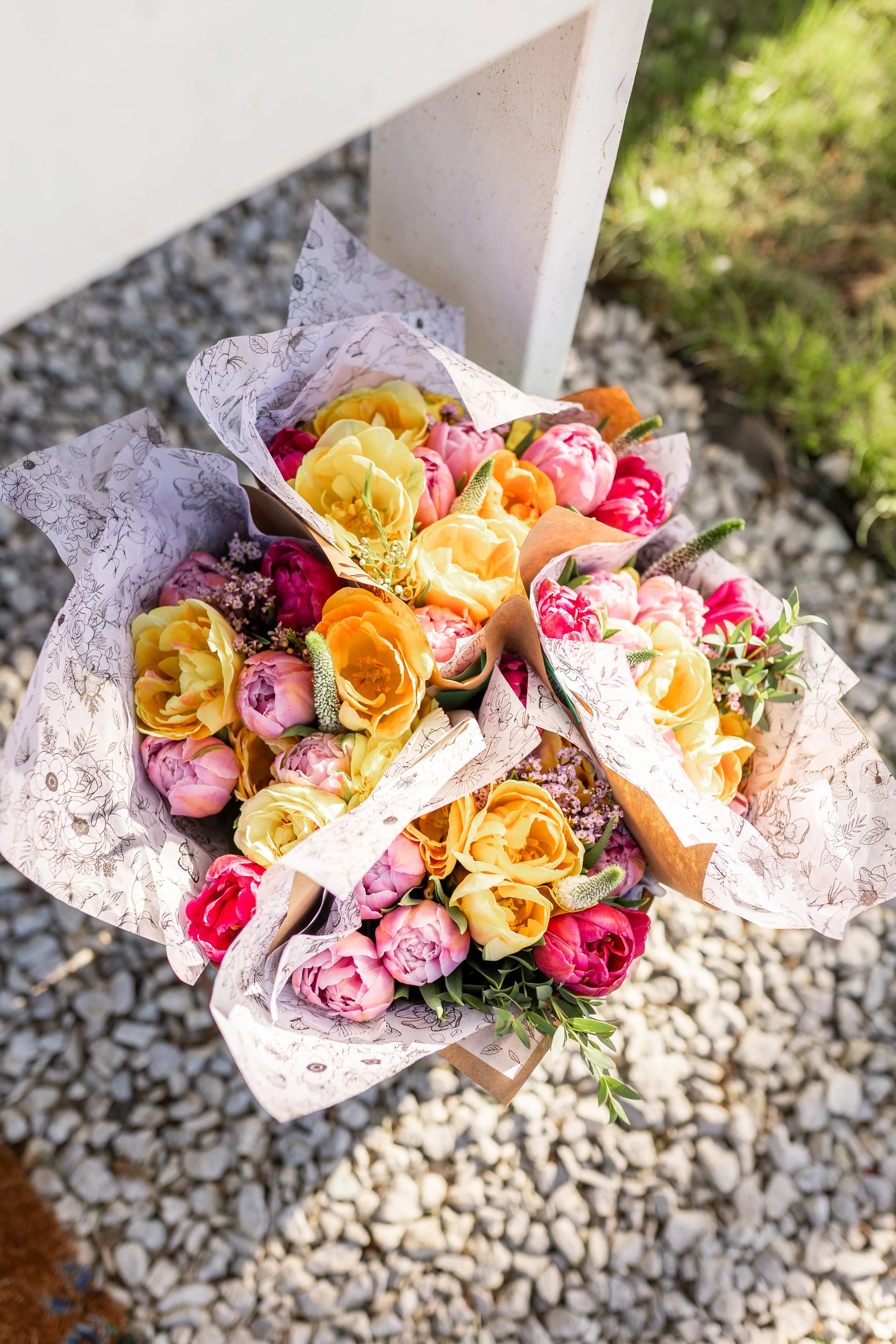
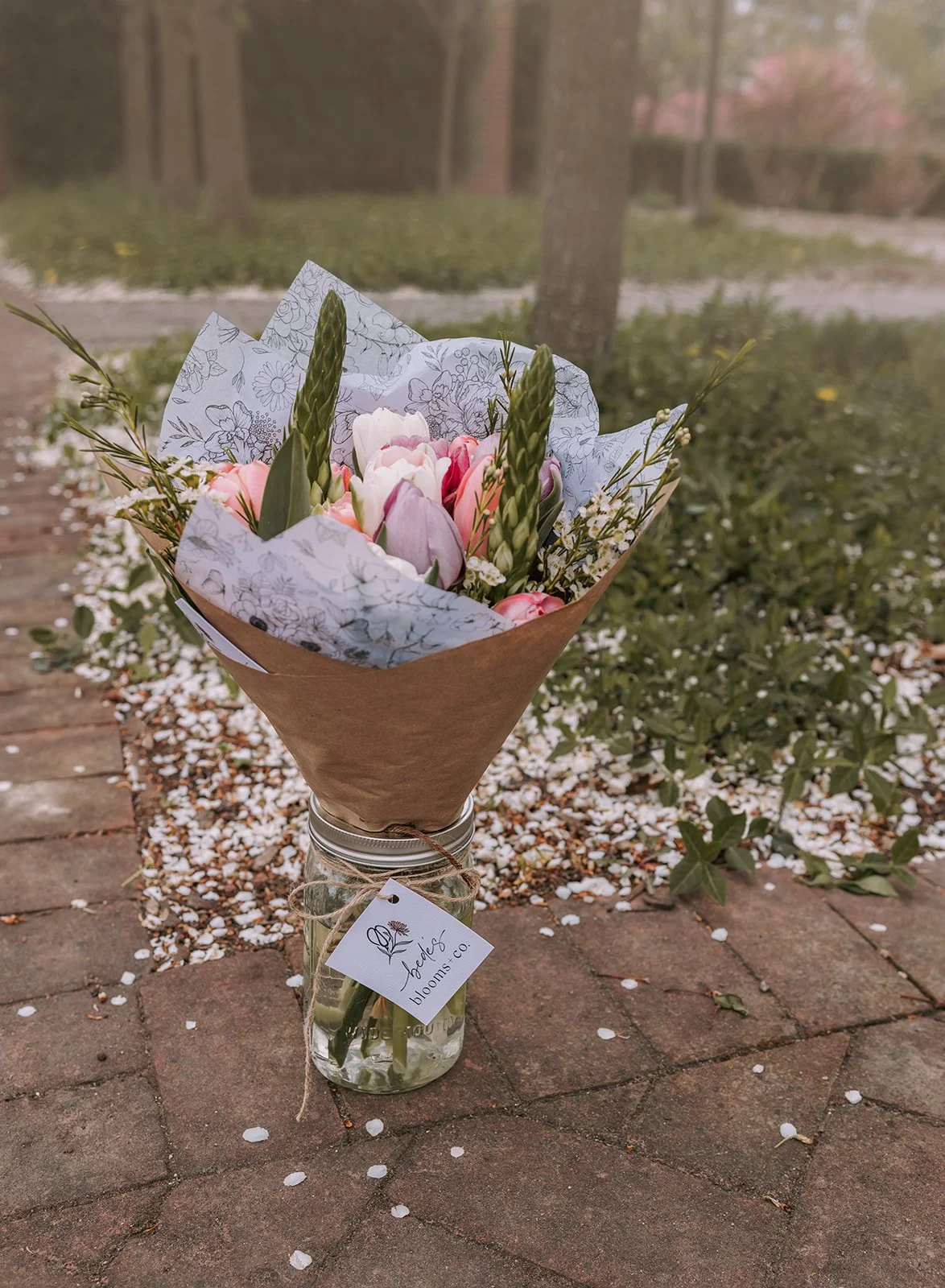
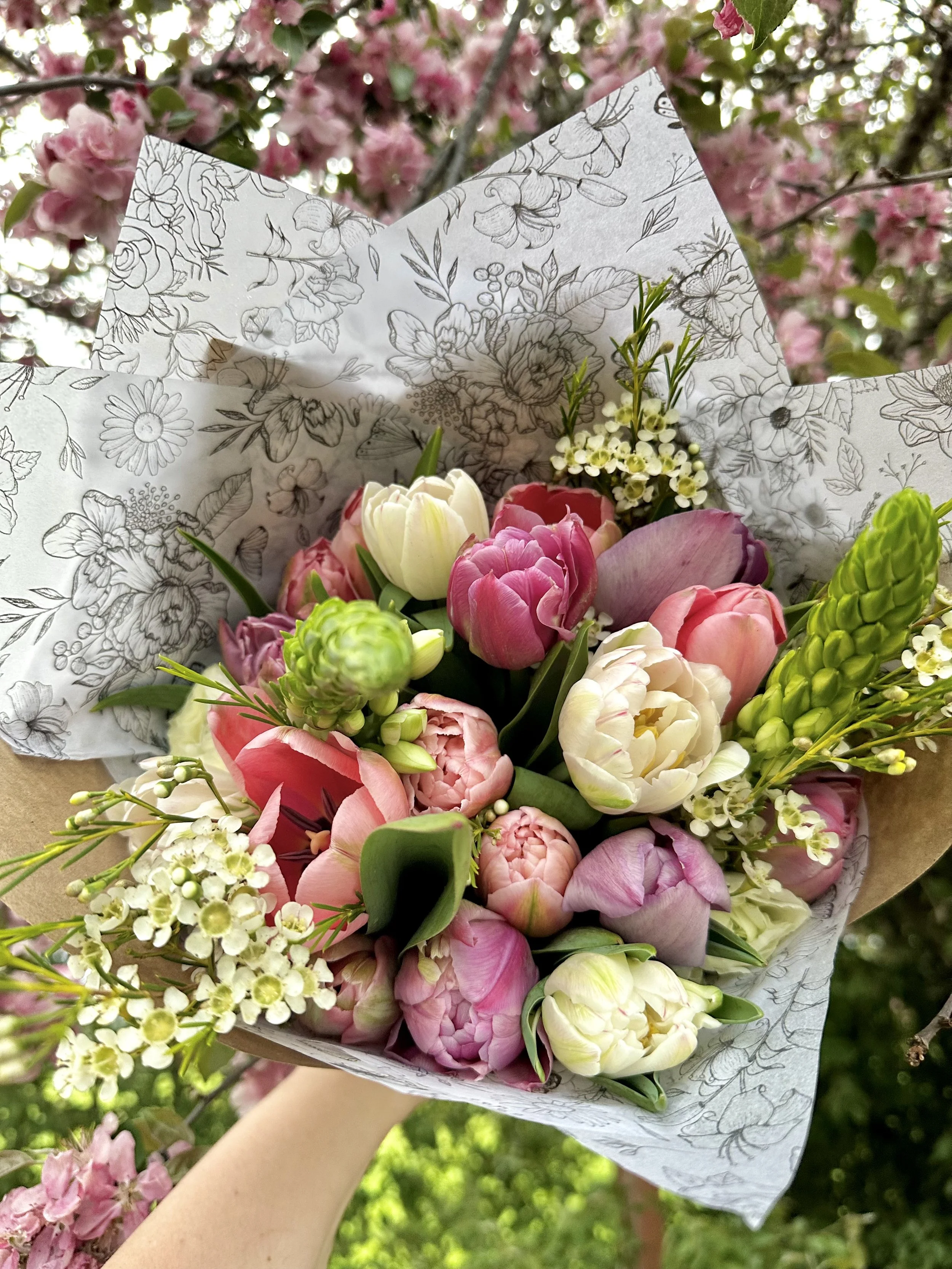
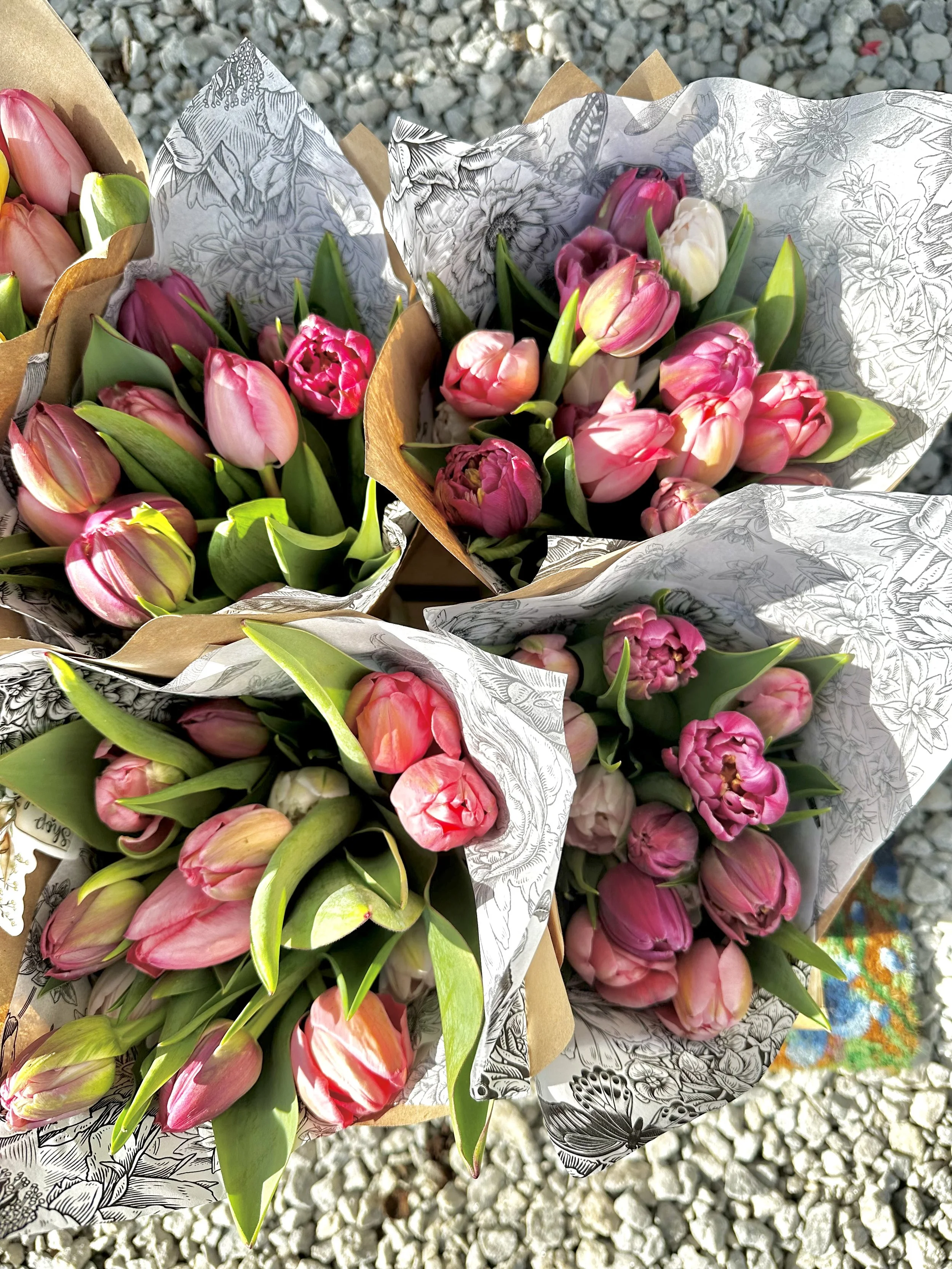
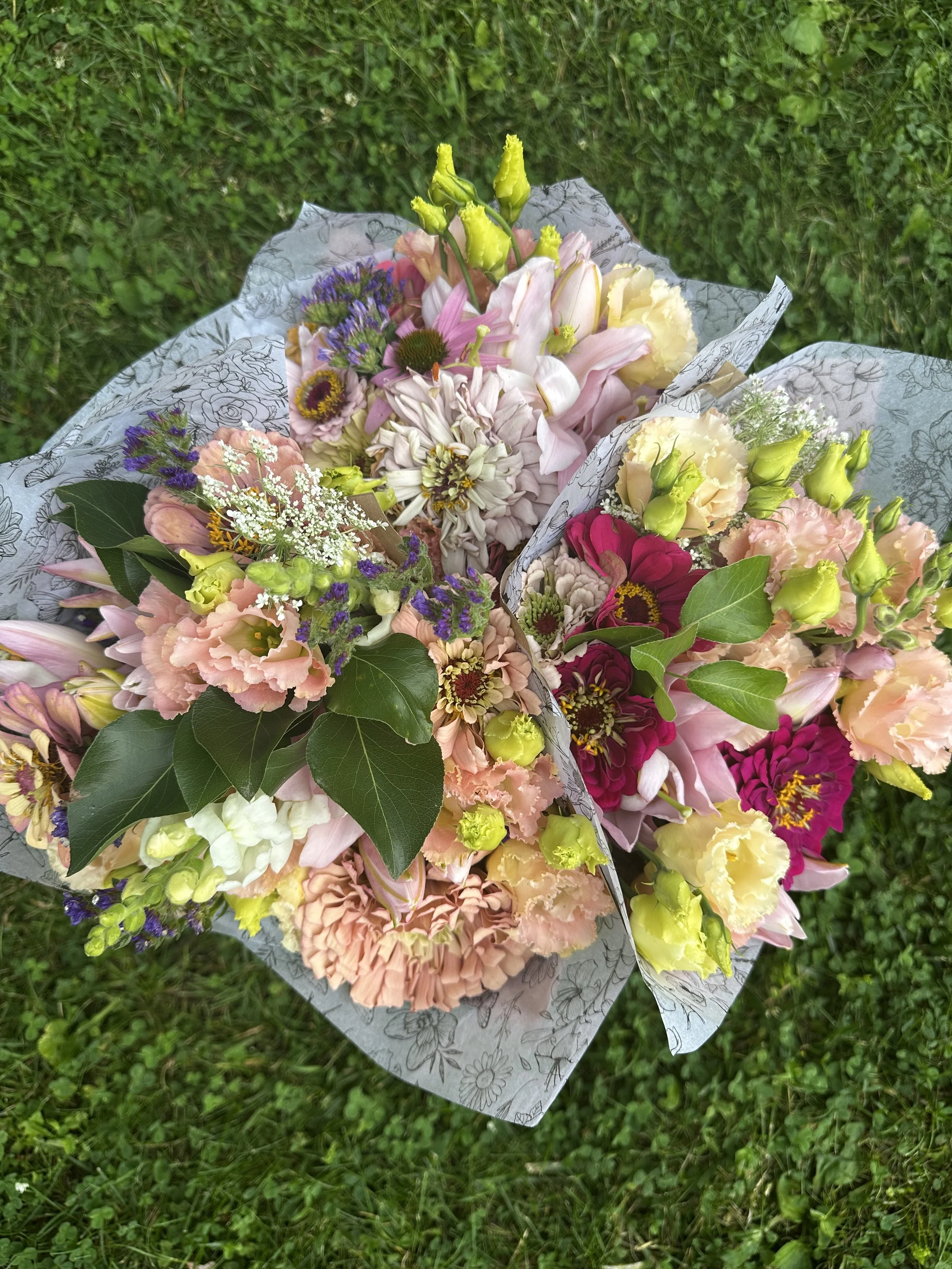
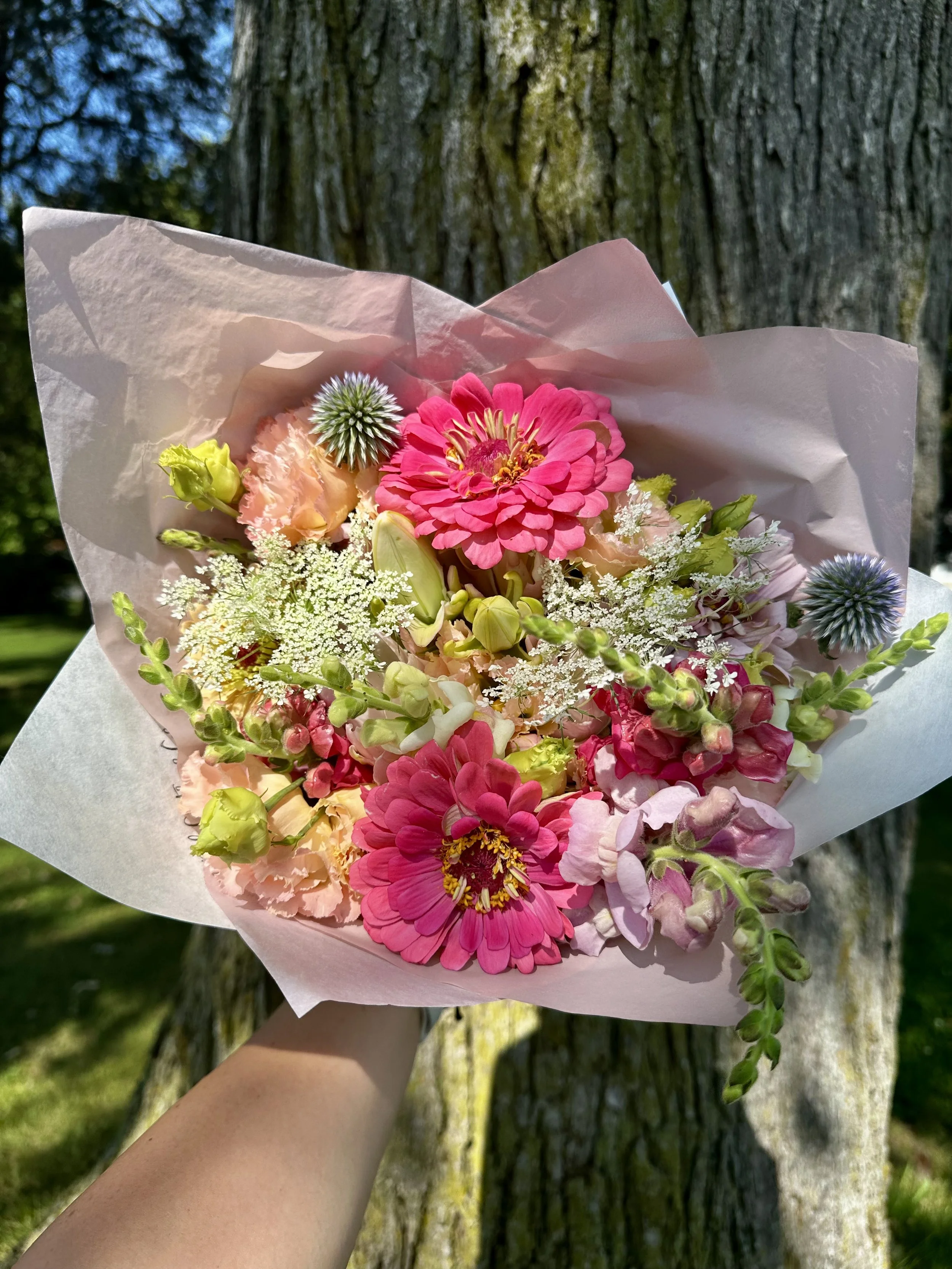
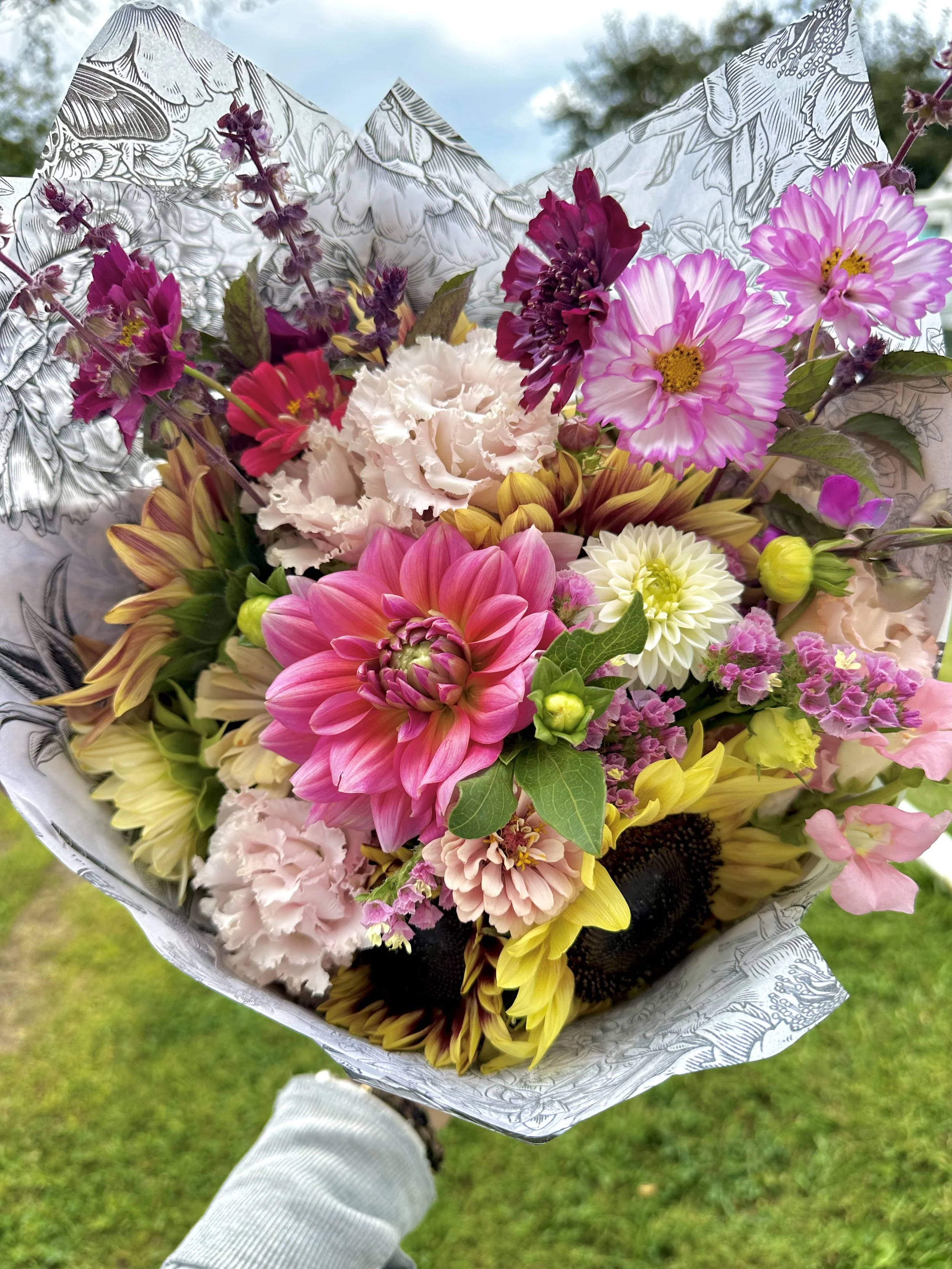
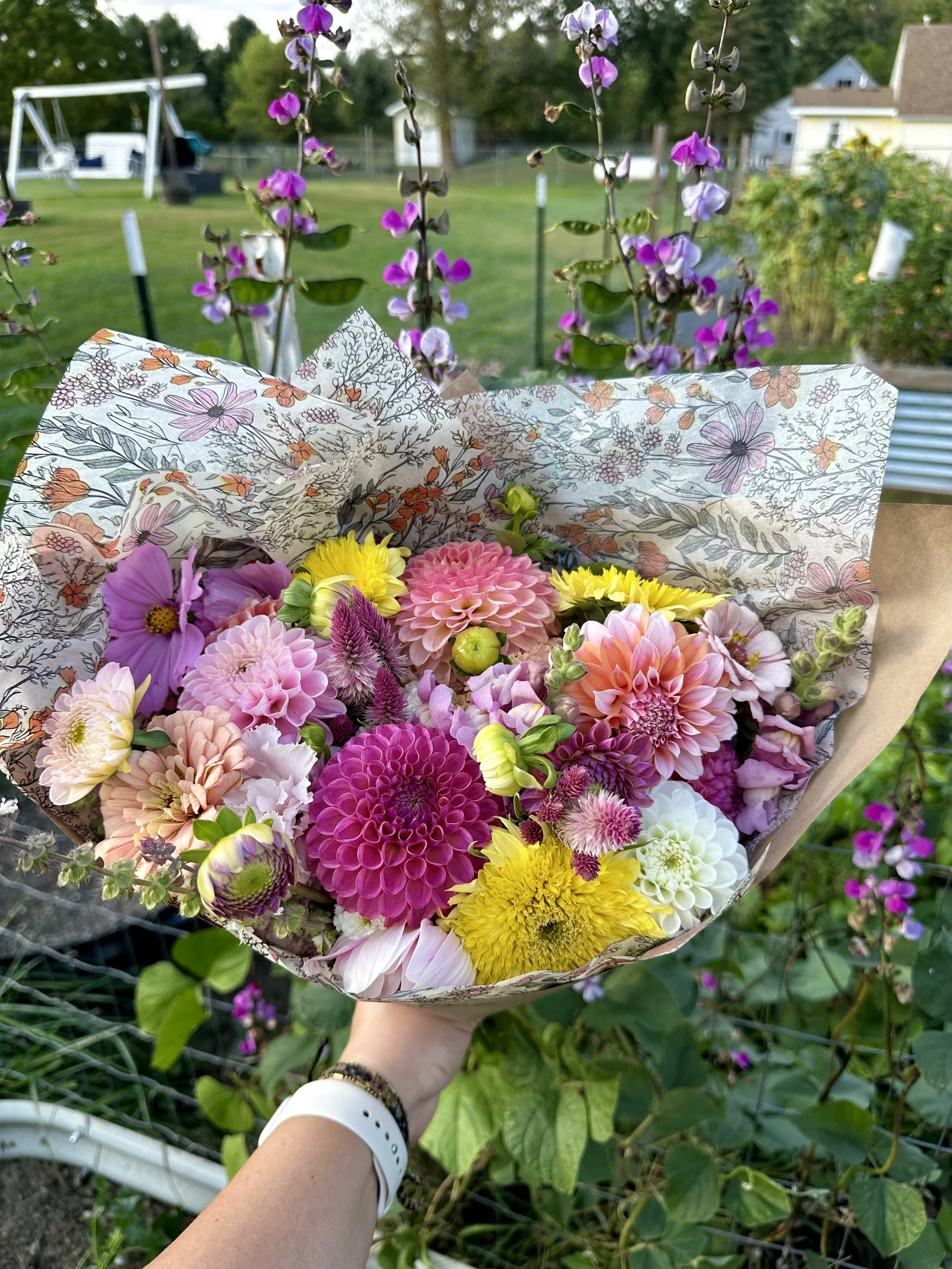
We partnered with more local businesses to bring fresh flowers into their shops weekly, expanded our CSA flower subscriptions, and delivered more blooms into homes and hearts throughout our community. Our custom orders grew exponentially — from remembrance events and celebrations of life, to baby showers, wedding showers, birthdays, and everything in between.
I am beyond grateful to every person who chose our floral work with intention. Being trusted with your meaningful moments — joyful and tender — is something I never take for granted. Thank you for supporting local, seasonal flowers and allowing me to create for you.
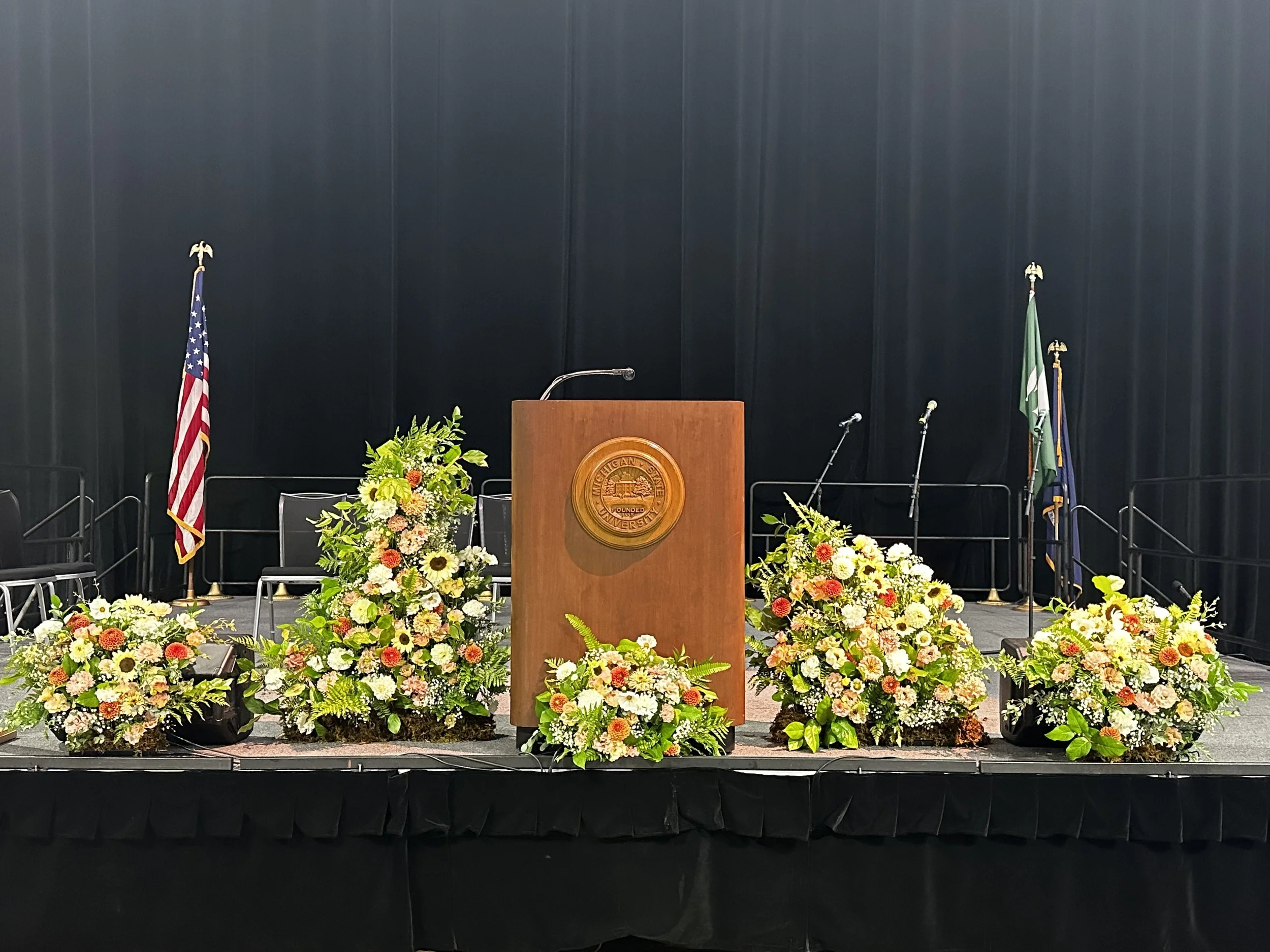
A Milestone Moment: Michigan State University
One of the most memorable moments of 2025 was the opportunity to design and install a large-scale corporate stage installation for Michigan State University in August. The project took place in the Breslin Center and was a true labor of love — and logistics.
From planning and sourcing to installation day, it was a big production filled with stunning local flowers and thoughtful design on a much larger scale than my typical work. Standing back and seeing the stage come together inside such an iconic space was both humbling and affirming.
That installation reminded me of what’s possible when creativity, trust, and collaboration come together — and it will forever be a highlight of this year.
Looking Ahead: Simplifying with Purpose
As I look toward 2026, my word for the year is simplify.
That means focusing on the areas of this work that bring me the most joy and alignment:
CSA flower subscriptions, weddings and events, and meaningful custom orders. Late fall and winter will hold very limited availability for private wreath workshops. It means letting go of excess — even when it’s tempting — and choosing balance over burnout.
It also means not expanding our growing space, except where it truly aligns with our long-term vision — specifically peonies and perennials that strengthen the foundation of what we already love.
Simplifying doesn’t mean dreaming smaller.
It means building something sustainable, intentional, and rooted in joy.








To My 2026 Brides
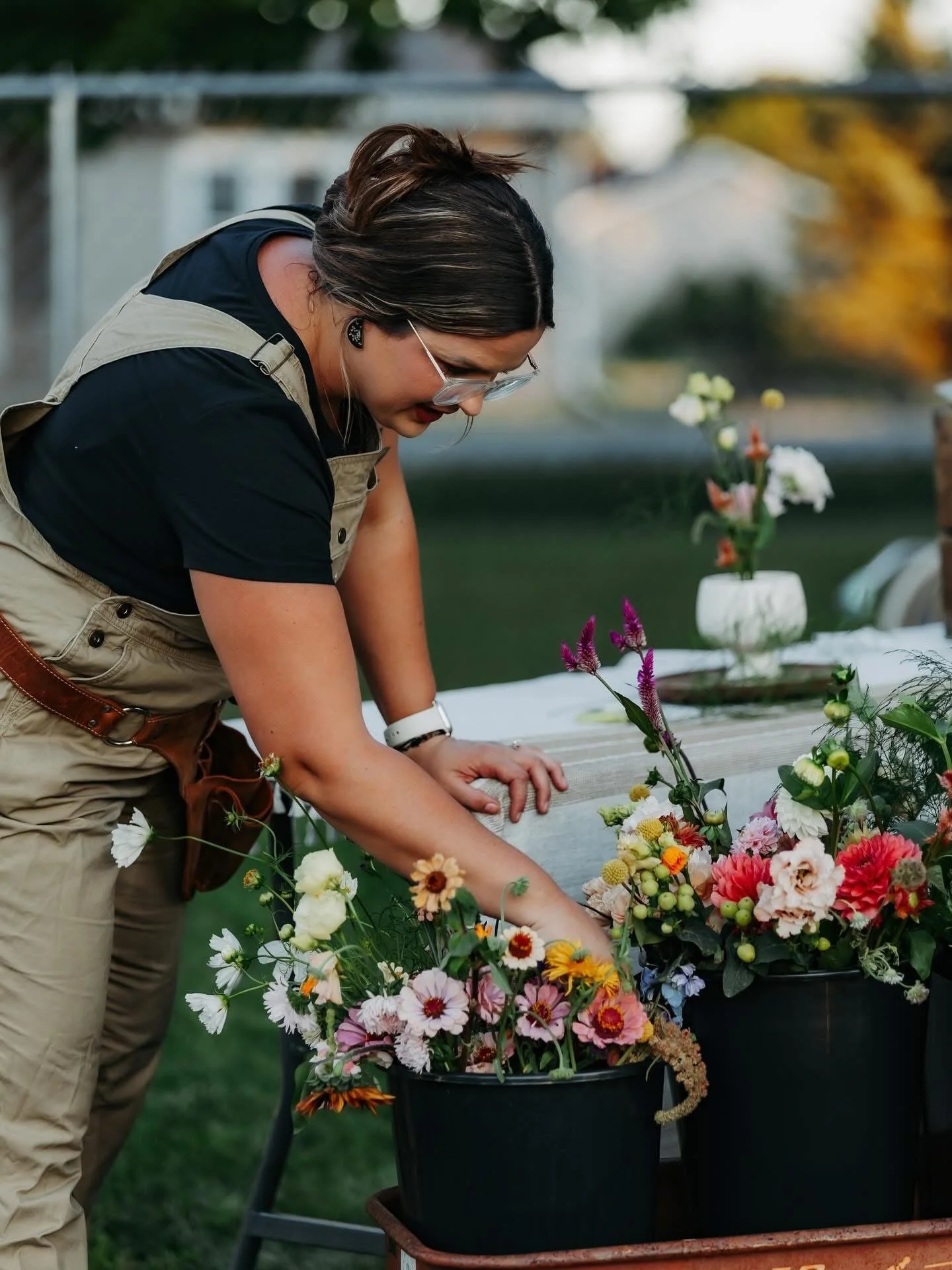
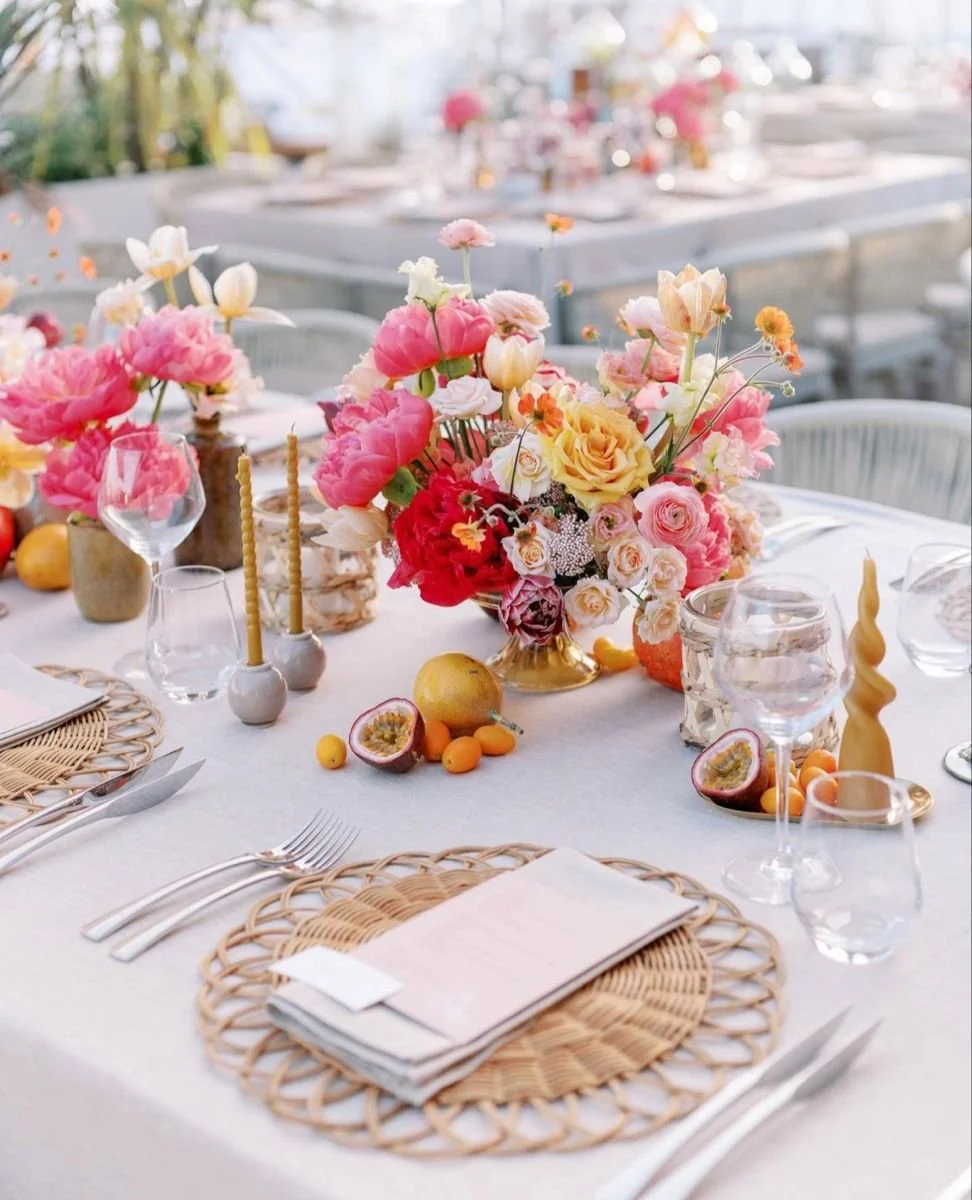
I am so excited for my 2026 brides. I already have the most beautiful color palettes and design visions in mind, and I cannot wait to bring your special days to life. Designing with intention, care, and heart will always be at the center of what I do.
Thank you for being here — for supporting Bede’s Blooms + Co. through the blooms and the bare stems. Here’s to a slower, steadier, more meaningful season ahead.
With gratitude,
Alex
Grateful for imagery by: Details & Daydreams Photography, Elle & Co Photography, and Liv Schafer Photography.

The Surprising Benefits of Chickens on a Flower Farm: A Tale of Healing, Harmony, and Helping Pollinators
Title: The Symbiotic Relationship Between Chickens, Pollinators, and Insects on Our Flower Farm
Chickens play an integral role on our flower farm, serving as beneficial allies in sustaining a healthy ecosystem. Their natural foraging habits help control pest populations, reducing the need for chemical interventions (which we do not use on our farm) and promoting organic growth. By digging in the soil, chickens aerate it and facilitate nutrient cycling, thereby creating a richer environment for our stunning cut flowers to flourish.
In addition to chickens, a diverse array of pollinators and insects contribute significantly to our farm's productivity. Bees, butterflies, and hoverflies are essential for the pollination of our blooms, ensuring vibrant and abundant flower production. These pollinators not only enhance the beauty of our farm but also support the health of local ecosystems by promoting biodiversity.
Together, chickens, pollinators, and beneficial insects create a thriving environment that nurtures both the plants and the community around us. By embracing these natural partnerships, we at Bede's Blooms celebrate the interconnectedness of nature and the importance of sustainability in our farming practices.
Welcome back to Petals and Prose, where we celebrate the beauty of both flowers and the hardworking creatures that help nurture our growing spaces. Today, I’m diving into the surprising benefits of having chickens on a flower farm — and why they’re more than just cute faces in the yard. We’ll also take a little detour into a recent incident that left one of our beloved hens injured but on the road to recovery, plus the important role that beneficial insects play in our farm’s ecosystem. But most importantly, I’ll talk about how we, as a micro flower farm, strive to protect and support local pollinators — and why it matters more than ever.
Chickens: Nature’s Helpers on a Flower Farm
If you’ve ever considered adding chickens to your farm or garden, you might be wondering: “What could they possibly do for flowers?” Well, quite a bit, actually. Chickens aren’t just for eggs (though those are a delightful bonus); they play an important role in keeping the land healthy, fertile, and in harmony with nature.
While I know some farmers swear by ducks for their own unique benefits, we’ve found that chickens are a better fit for our farm in this season of life. Ducks are adorable, but they can be a bit too messy for our setup right now. That said, we’re not ruling out the possibility of adding ducks in the future — maybe we’ll try them someday when we’re ready for a new challenge!
Natural Pest Control: Chickens are excellent at keeping your flower farm free from pests like beetles, slugs, ticks and grasshoppers. While we love having vibrant, healthy flowers, these pesky insects can wreak havoc on delicate plants. Chickens will naturally hunt and eat many of these bugs, reducing the need for any harmful chemicals or pesticides (which we do not use on our farm) — which, in turn, helps protect your pollinators, like bees and butterflies, who might otherwise be harmed by chemical treatments. In short, chickens help maintain the balance of good bugs and bad bugs, ensuring your flowers flourish.
Fertilizing the Soil: Chickens are also great for fertilizing the soil. As they scratch around and peck at the ground, they deposit nutrient-rich droppings that enrich the soil naturally. Their scratching action helps aerate the soil, and their manure adds valuable organic matter, boosting the health of your flowers without synthetic fertilizers. This creates a symbiotic relationship where the chickens get to roam and forage, while your flowers grow stronger and more vibrant.
Weed Control: Chickens also love to nibble on young weeds. As they explore the farm, they can help reduce weed pressure, which gives your flowers more room to grow and thrive. While chickens aren’t a substitute for a dedicated weeding regimen, they certainly help keep things in check.
A Hen’s Road to Recovery: A Personal Story

Post-surgery (haha)
This sweet girl and I are very close now <3
Now, let me take a moment to share a story about one of our hens, who recently faced an injury that required a bit of extra care and attention.
It was just last Saturday when one of our hens — a sweet, hardy bird — injured her toe in what I can only describe as a freak accident. After a thorough check, it became clear that the injury was severe enough that we needed to remove the toe to prevent further complications. This led to a hefty vet bill, but I wouldn’t trust anyone else with our birds’ care than the incredible team at Cedar Creek Veterinary Clinic in Williamston, Michigan. If you’re in the area and need an avian vet, I cannot recommend them enough. Dr. Heather Beasley was wonderful, and we had such a positive experience. Her expertise and care made all the difference in our hen's recovery.
I also want to give a big shout-out to the veterinary tech who went above and beyond to help me learn how to properly administer medication to our hen. If you’ve ever tried giving a chicken a pill, you know it’s no easy feat! But this tech was so patient and kind, showing me the best techniques and offering tips on how to make it a little less stressful for both me and the chicken. It was a huge help — and let me tell you, it’s not as simple as just popping a pill in their mouth! (But we’re managing it with a little practice and some treats to make it easier.)
Right now, she’s recovering in our basement (which, don’t worry, is cozy and quiet), where we’ve set up a special area for her to rest. We’ve been providing her with extra food and comfort, along with medication that I administer twice a day. In addition, we’ve been doing 2-3 sessions of petting (yes, she loves a good scratch!) each day, which seems to be really helping her relax and heal. While she’s adjusting to her new “lifestyle” of limited mobility, she’s slowly regaining strength. It's been a healing journey for both of us, and it’s a reminder of how interconnected our responsibilities to both plants and animals really are. Our farm isn’t just about flowers; it’s about providing care for every living thing that contributes to its success.
Beneficial Insects: The Unsung Heroes of the Garden

Ladybugs are natural pest controllers, feasting on aphids and other harmful insects, helping keep your flowers healthy and chemical-free.
Let’s talk a bit more about the tiny, often overlooked workers in our gardens: beneficial insects. These creatures — from ladybugs to predatory beetles — help keep harmful insect populations in check and support the overall health of our flowers and plants. While we might not always see them, they play a crucial role in pollination, pest control, and even soil aeration.
At Bede’s Blooms + Co., we are committed to using NO harmful chemicals or pesticides on our farm. Instead, we bring in beneficial insects from trusted sources like Nature’s Good Guys, who ship them to us monthly. These beneficial insects, such as nematodes, predatory mites, green lacewings and praying mantis, help control pests naturally, without any harm to the environment or our pollinators.
If you’d like to try beneficial insects in your own garden, they’ve kindly shared a 20% discount code: BEDEBLOOMS20 — a small thank-you for supporting pollinator-safe, sustainable growing practices.
I also want to give a special shout-out to my dear flower farmer friend Laura (@farmyardblooms on Instagram). She has been such an incredible source of wisdom and encouragement on my flower journey, and I’m so thankful for her guidance. From tips on identifying beneficial insects to beautiful photos that teach me how to recognize them in the field, Laura’s expertise is top notch! Not to mention she is one of the kindest humans I have ever met. If you're looking to dive deeper into how beneficial insects can help your garden thrive, a good chuckle or admire beautiful homegrown speciality cut flowers, definitely check her out!
Additionally, we focus on raising our Brix levels to enhance the overall health of our plants. To do this, we apply a weekly treatment of molasses (here are the two we use: Golden Barrel Unfiltered & Soil Sunrise Dried Molasses) — a practice that helps improve soil health and plant resilience. The molasses is mixed with water and applied via a sprayer attached to our hose (we roate between these two: a hose attachment sprayer and my new favorite backpack sprayer) . This simple yet effective method helps our plants become more nutrient-dense, which not only benefits our flowers but also attracts beneficial insects that thrive in a healthy, vibrant environment. Otherwise, we will use Neem Oil as an option as well.
By focusing on natural pest control and improving the overall health of our plants, we are able to maintain a thriving, chemical-free environment that benefits both our flowers and the local ecosystem.

A round of fertilizer!
We’re big fans of Dairy Doo, a fantastic Michigan-based company. Their hose attachments are excellent for our farm's needs. We also use a reservoir attachment for the molasses, which conveniently connects to our hose for easy application. We also use SuperThrive for our seedlings and sweat by it! It’s amazing!
Pollinators: Why They Matter and How We’re Helping
Speaking of pollinators, we are excited to share that we are looking into getting bees for our farm! (If you have any local resources to share, please do) Bees are, of course, vital to the pollination of many plants, and we want to do our part in supporting their population. As flower farmers, we rely heavily on pollinators to help our flowers bloom and thrive, but the decline in bee populations is a real concern. By introducing bees to our farm, we hope to do more than just benefit our flowers; we want to be part of a larger movement to help protect these vital creatures.
Bees aren’t just good for flowers, either. They pollinate crops, wild plants, and trees — which helps ensure biodiversity and the health of local ecosystems. By supporting pollinators through our farm practices and looking into beekeeping, we’re doing our part to contribute to a healthier environment. We’re also raising awareness about how vital it is to support local pollinators, as their decline has significant consequences for the food supply and the overall health of the planet.
Here is a sweet bee resting on one of our dahlia plants last summer
Bees are essential for flowers, as they pollinate plants, enabling them to produce seeds and fruit. Their work boosts flower growth and biodiversity, supporting a healthy garden ecosystem.
A Micro Flower Farm’s Commitment to Sustainability
As a small flower farm, we have the privilege — and the responsibility — to cultivate our space in a way that works with nature rather than against it. By integrating chickens into our farm ecosystem, supporting beneficial insects, and exploring beekeeping, we’re striving to create a balanced, sustainable environment where all living things — plants, animals, and insects alike — can thrive.
At Bede’s Blooms, we believe that gardening isn’t just about growing flowers; it’s about nurturing the entire ecosystem that makes it all possible. We’re committed to protecting pollinators, supporting local wildlife, and working toward a healthier, more sustainable future.
Thanks for reading along with us today. Stay tuned for more updates on our hens, our flowers, and our journey as a micro flower farm that’s making a difference for the planet — one petal at a time.
If you’re interested in following our journey or learning more about how chickens, beneficial insects, and pollinators work together to create a thriving farm ecosystem, be sure to subscribe to our Newsletter for more updates, tips, and stories.
Bonus: We have a drawing to win a free spring bouquet for signing up for our newsletter! Deadline for entry is Friday, March 28th 2025.

Praying mantis are
These fascinating insects hunt down and consume a wide variety of pests, including aphids, beetles, and caterpillars, helping to keep your flowers healthy without the need for chemicals. Their predatory nature makes them an essential ally in maintaining a balanced, thriving garden ecosystem.
With gratitude and floral magic,
Alex Winans
founder & owner, Bede’s Blooms + Co.