
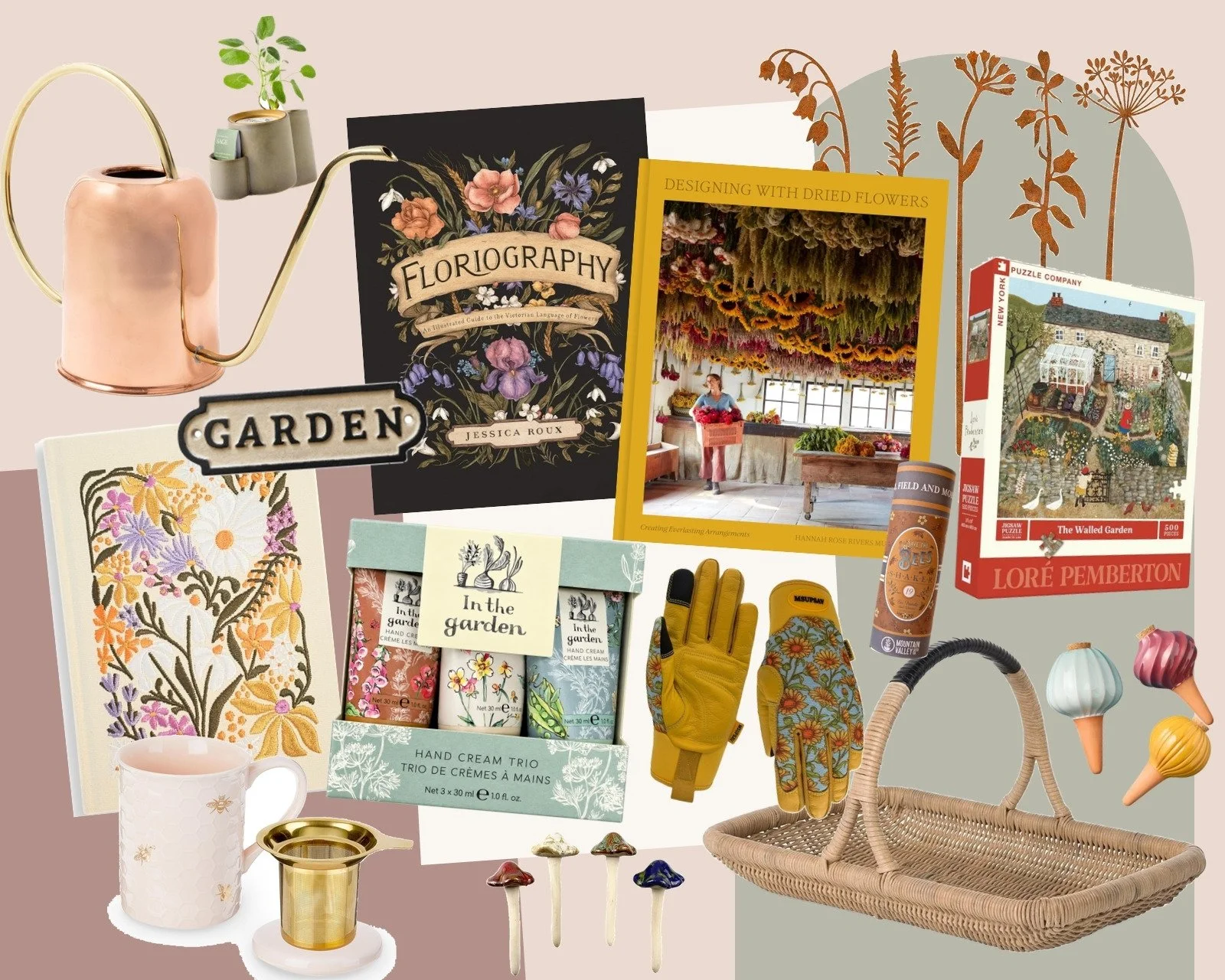
The Gardener’s Wish List: Gifts They Want (But Won’t Buy Themselves)
A flower farmer’s gift guide for gardeners: the fun, pretty and cozy gifts they want but won’t buy themselves, from flower presses and copper watering cans to garden puzzles, embroidered journals and slow-morning tea.
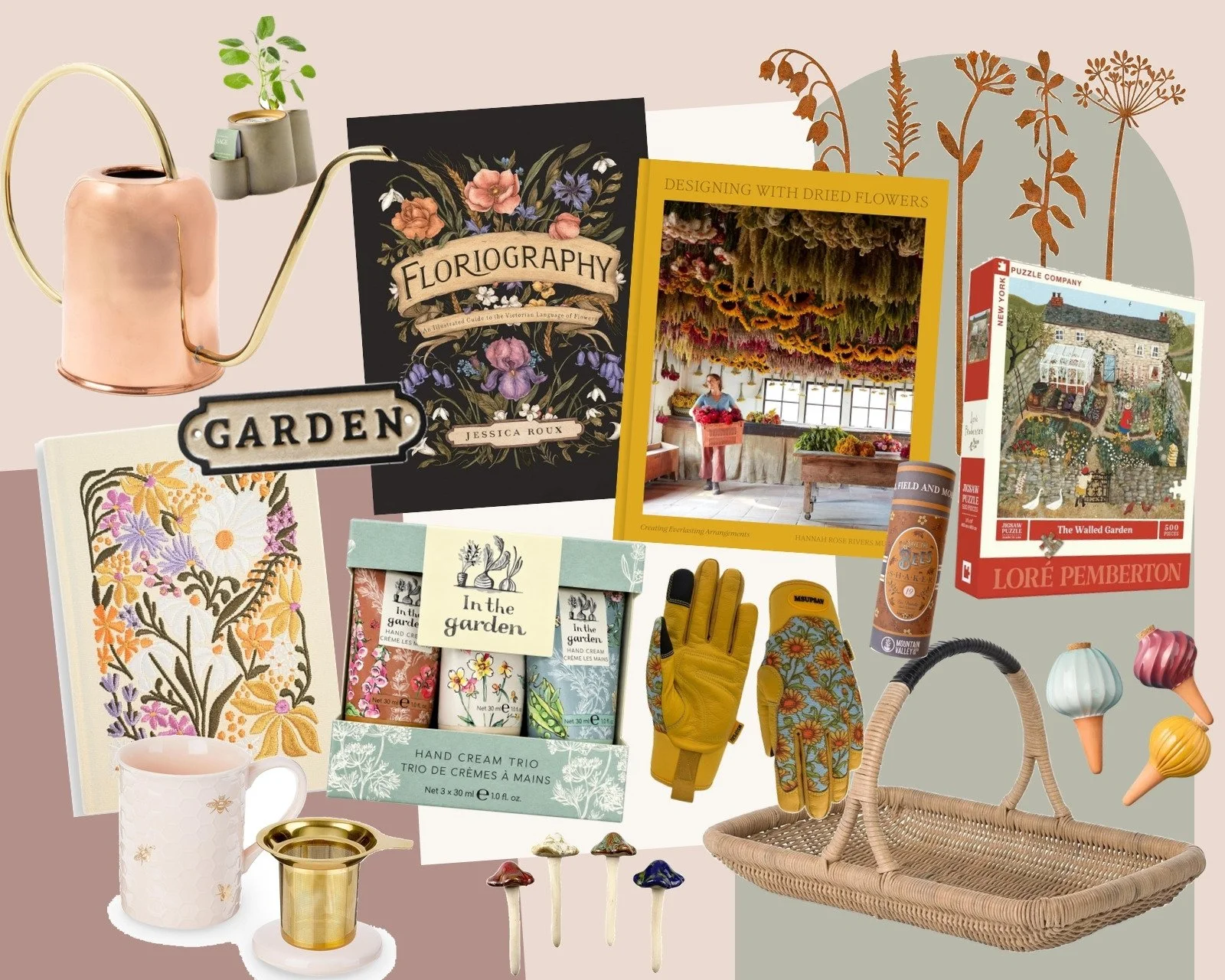
Shopping for the gardener who has everything? Every gardener I know has the practical stuff covered. This gift guide for gardeners is the fun side: the pretty, the playful and the little luxuries we admire every season and never quite justify buying for ourselves. From a flower press and a copper watering can to garden puzzles and a cozy tea set, these are the Christmas gifts for gardeners and flower lovers I'd be thrilled to unwrap. Whether your gardener is still out cutting the last blooms or already curled up dreaming of spring, there's something here for them.
Looking for the everyday tools, feeds and supplies we actually use on the farm? Those live on Shop My Favorites. As an Amazon Associate, I earn from qualifying purchases; it costs you nothing extra and helps keep our little farm growing.
Pressed, Planted & Personal
The pretty, sentimental pieces. These are the gifts a gardener eyes every season and never buys for herself.

Extra-large flower press

Personalized garden sign

"Welcome to My Garden" sign

Vintage iron garden signs

"Grow an Old Friend" garden stake

Copper watering can

Bee watering stations

Frog rain gauge

Wicker harvest basket

Garden apron with harvest pouch

Smart bird feeder with camera

Solar garden snail

Solar turtle statue

Ceramic garden mushrooms

Metal flower garden stakes
The Upgrades
The prettier, nicer versions of everyday garden gear. They'll use them every single day.

Modern Sprout pruning shears

Thorn-proof leather gloves

Waxed canvas garden bag

Metal garden caddy

Canvas garden tool belt

Fiskars hand tool set

Grampa's Weeder

Hori hori garden knife

Gardener's barrier cream

In the Garden hand cream trio
Gear Worth Every Penny
Yes, these are splurges. But good boots, warm layers and real rain gear are the difference between a miserable muddy morning and a beautiful one.

Bogs Chelsea rain boots

Bogs farm boots

Carhartt insulated bibs

Carhartt insulated coat

Carhartt insulated gloves

Carhartt satin-lined beanie

Grundéns waterproof bibs

Grundéns waterproof jacket

Smartwool cold weather socks
Bring the Garden Indoors
For the long winter months when the beds are asleep and their hands are itching to grow something.

Modern Sprout flower grow kit

Mason jar herb garden

Candle planter

Terracotta watering bulbs

Botanical keeper tray

Bonsai starter kit

Miniature flower house kit

Botany board game

LEGO Botanicals Happy Plants

Oregano herb planting set
The Slow-Down Section
If they're a gardener, they're tired by the time the holidays roll around. They're craving rest and slow living: hot tea or coffee in a cute mug, a good book, journaling, crafting and puzzles.

The Walled Garden puzzle

Beekeepers puzzle

Lady of the Garden puzzle

Greenhouse Gardens puzzle

Secret Garden puzzle

Tilting puzzle board

Embroidered journal

The best pens

Tea cup with infuser

Vanilla rooibos loose leaf tea

The Plant Lady coloring book

World of Flowers coloring book

Secret Garden coloring book

Ohuhu dual brush markers

Mini watercolor paint set

Flower paint by numbers kit

Floriography
An embroidered journal, the best pens, a cute mug and some loose leaf tea (or their favorite coffee beans). Tie it up with a ribbon and you have the perfect gift.
Garden Education
For the gardener who is always learning, from growing cut flowers to saving their own seed.

Designing with Dried Flowers

Floret Farm's Bloom to Seed (pre-order)

How Does Your Garden Grow?

From Seed to Bloom

Seed saving kit

Floret Farm's Cut Flower Garden

The Cut Flower Handbook

The Healing Garden

The Beekeeper's Apothecary

The Tiny But Mighty Farm
Stocking Stuffers
Small enough for the stocking, useful enough to stay out of the junk drawer. These are the little gardener gifts that get used all season.

Save the Bees wildflower seed shaker

Hummingbird and butterfly seed collection

Plants Get Me socks

Wooden nail brush

Fiskars garden snips

Herb and greens stripper

Leaf watering funnels

Funny plant magnet eyes

PrunePro pruner and snips set
Gift Guide FAQ
What do you get a gardener who has everything?
Skip the basic tools and go for the things they admire but never buy for themselves: an extra-large flower press, a personalized garden sign, a copper watering can or a beautiful harvest basket. Practical gardeners rarely treat themselves to the pretty versions.
What are good gifts for gardeners in winter?
Gifts that bring the garden indoors or help them rest: an indoor flower grow kit, a mason jar herb garden, a bonsai starter kit, a garden-themed jigsaw puzzle with a puzzle board, or an embroidered journal for planning next season.
What is a good small gift for a flower lover?
A tea cup with an infuser and some loose leaf tea, a pretty pair of pruning shears, thorn-proof garden gloves, a good hand cream for gardeners or a set of smooth journaling pens all make sweet stocking stuffers.
Where can I find the gardening tools you actually use?
The everyday tools, organic fertilizers and seed-starting supplies we use on our Michigan flower farm are all on our Shop My Favorites page.
What are good stocking stuffers for gardeners?
Small things they will really use: a wooden nail brush, a pair of garden snips, an herb stripper, leaf-shaped watering funnels, funny plant magnet eyes or a pair of plant socks.
Still shopping? The practical, farmer-tested favorites we use every day, from snips to seed starting, are all in one place.
SHOP MY FAVORITES
Seed Starting, Motherhood, and Letting Go of Perfect
Motherhood has changed the way I start seeds — and honestly, the way I approach everything. In this season, seed trays sit on my dining room table, my toddler colors nearby, and perfection has taken a backseat to presence. Here’s what gardening and motherhood are teaching me about letting go, starting imperfectly, and trusting the process.
There’s a reel I published today that shows exactly what seed starting looks like in this season of my life: adapting, experimenting, and starting seeds with a baby in a diaper nearby.
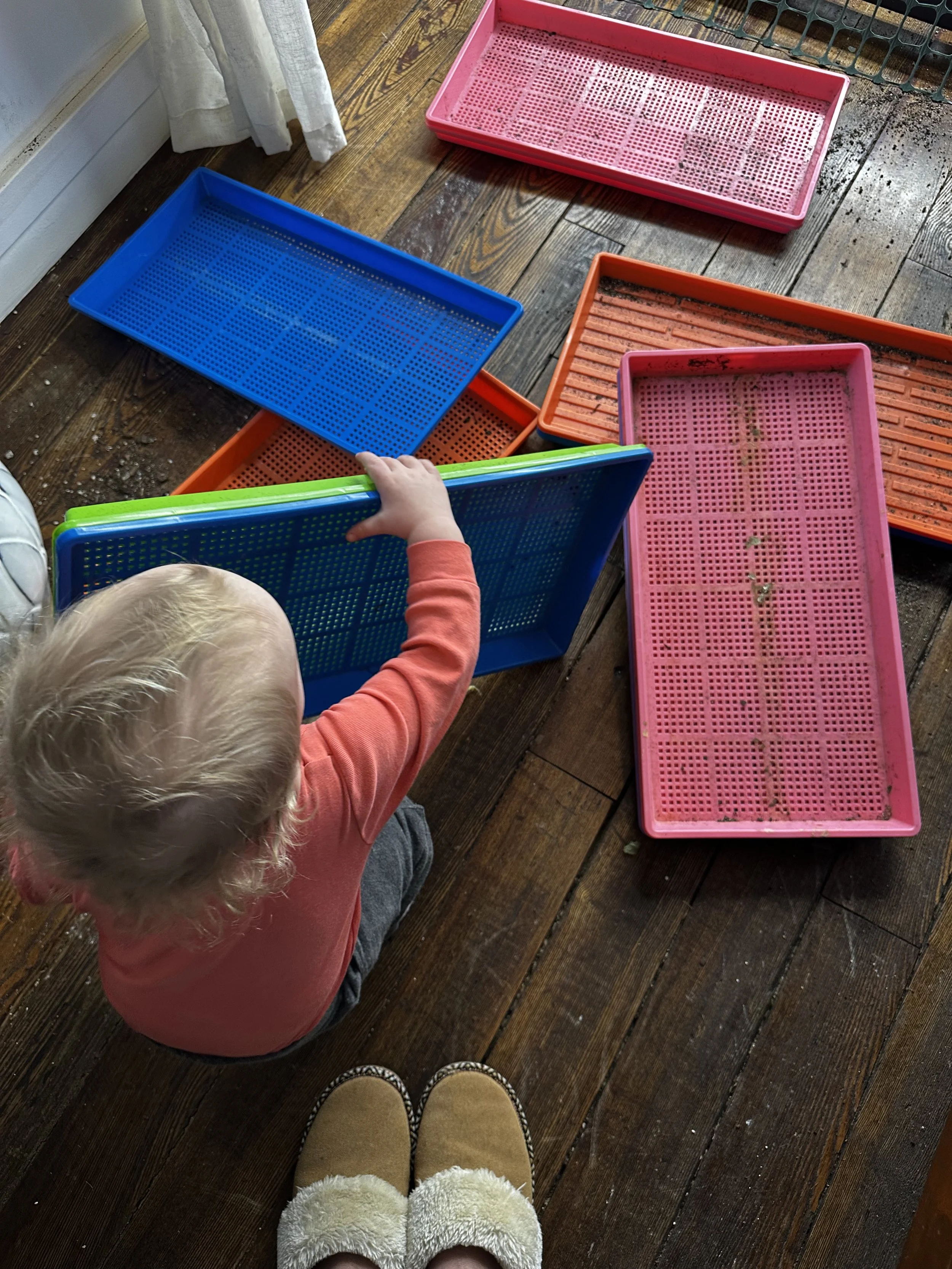
Prepping to wash seed trays, baby at my feet.
It captures not just how I’m starting seeds right now — but why it looks different.
Last year, I intentionally trialed a new seed-starting method. Not because what I was doing before was broken, but because I’m always learning, adjusting, and experimenting to find what works best — for my plants and for my life. Gardening, just like motherhood, has a way of teaching you that flexibility and curiosity matter more than rigid rules.
And if I’m being completely honest?
That reel is more real than anything I could have staged.
I’m starting seeds slower now. I’m doing it in pockets of time — during nap time, on my dining room table, with an old tote instead of a pristine workspace. At one point in the reel I say:
“You don’t need fancy things to start seeds.”
And I meant every word.
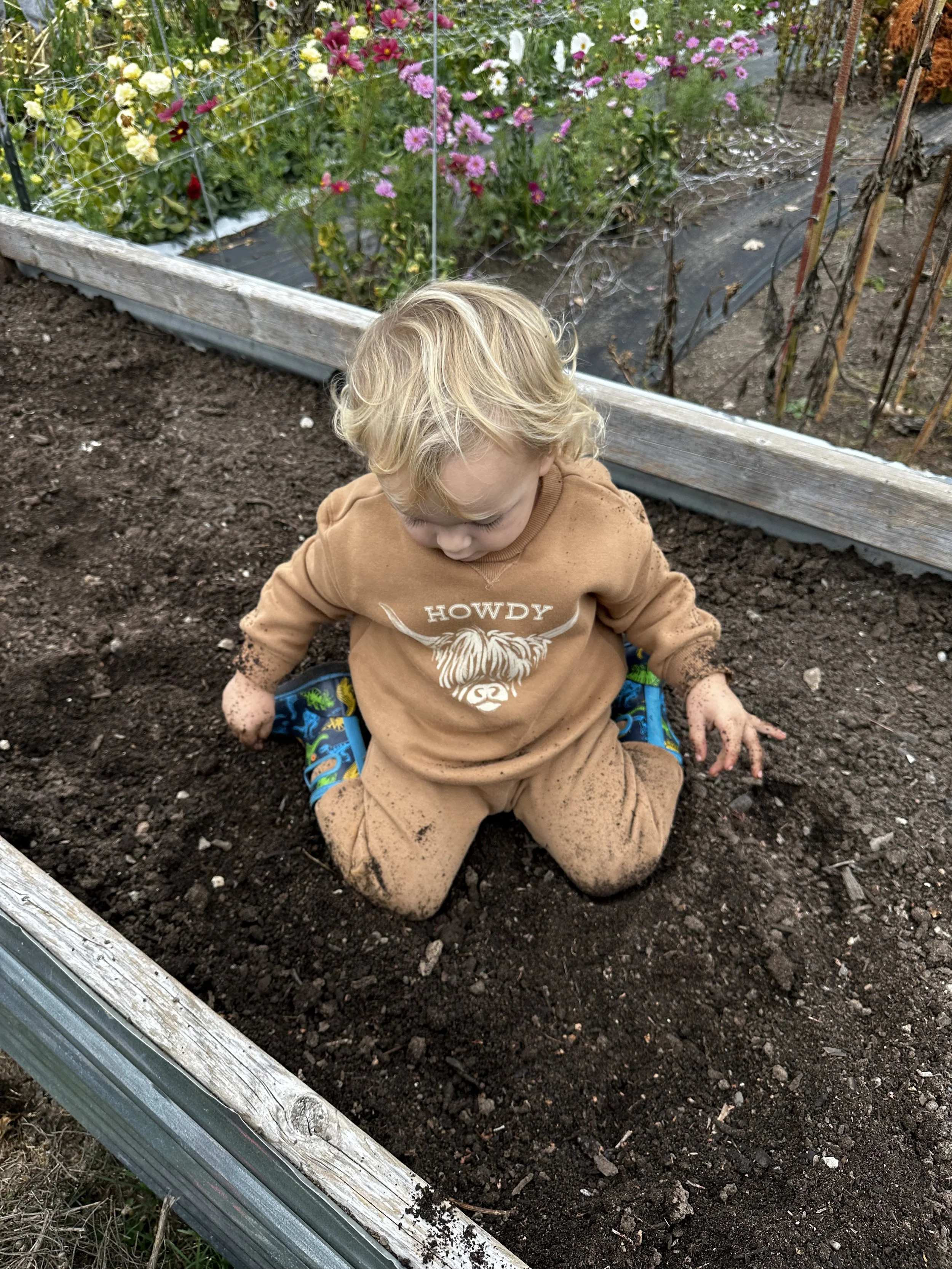
Motherhood has been — hands down — the hardest, most rewarding, most fulfilling transition of my life. It’s also the season where I’ve lost a lot of control… in a good way.
I don’t have nearly as much time as I used to. I can’t force productivity. And that constant need for things to be precise and perfect?
I’ve let a lot of that go — and the peace that’s come with it has been incredible.
If it gets done, it gets done.
If all I had the space and capacity for that day was a shower, snuggles, and coloring with my toddler? Then I am the true winner.
You Don’t Need Perfect — You Just Need to Start
I used to think I needed all the things.
The best supplies.
The perfect setup.
The ideal workspace.
Then you throw a kid in the mix… and you learn real quick what you can and can’t do with a baby on your hip.
You hear it all the time, but it’s true:
As an entrepreneur and a corporate employee, it’s never going to be perfect to start. You’ll never have all the ducks in a row.
So if you’re waiting for that moment?
You’ll wait forever.
Will you fail?
Yes. A thousand times over.
I’ve killed more seedlings than I can count.
But what matters most?
You don’t quit.
So with all of that in mind — let’s talk seed starting.
Seed Starting 101: From Real Life, Not Perfection
Have I invested in high-quality tools over the years? Yes.
Am I picky about what I use now? Also yes.
Am I still experimenting, testing, improving, and learning every single season? Absolutely.
But I didn’t start there.
I started with:
A bag of Pro-Mix from Menards
A vegetable steamer strainer to sift an entire 3-cubic-yard bag of soil
Solo cups, with holes drilled in the bottom by my husband
A whole lot of trial, error, and learning
You can start inexpensively.
You can start expensively.
That choice is yours.
The most important choice?
Just do it.
Growing your own garden — even just a veggie or two, or a small bed of flowers — is incredibly rewarding. And like any skill, there is some investment involved in learning how to start seeds indoors successfully.
Let’s break it down from start to finish.
1. Grow Lights (Lumens Matter)
Light is non-negotiable when starting seeds indoors.
Without enough light, seedlings stretch, weaken, and fall over.
What to look for:
Lumens: Aim for at least 2,000–5,000 lumens per shelf
Color temperature: Full spectrum or daylight (5000–6500K)
Distance: Lights should sit 1–3 inches above seedlings
Adjustability is key — your lights need to move with your plants as they grow.
➡️ I link the grow lights I use here.
2. Shelving or Racks
You don’t need a greenhouse. You don’t need fancy.
I’ve used:
Old shelving units
Garage racks
Dining room corners
What matters most:
Stability
Enough vertical space
The ability to raise and lower your lights
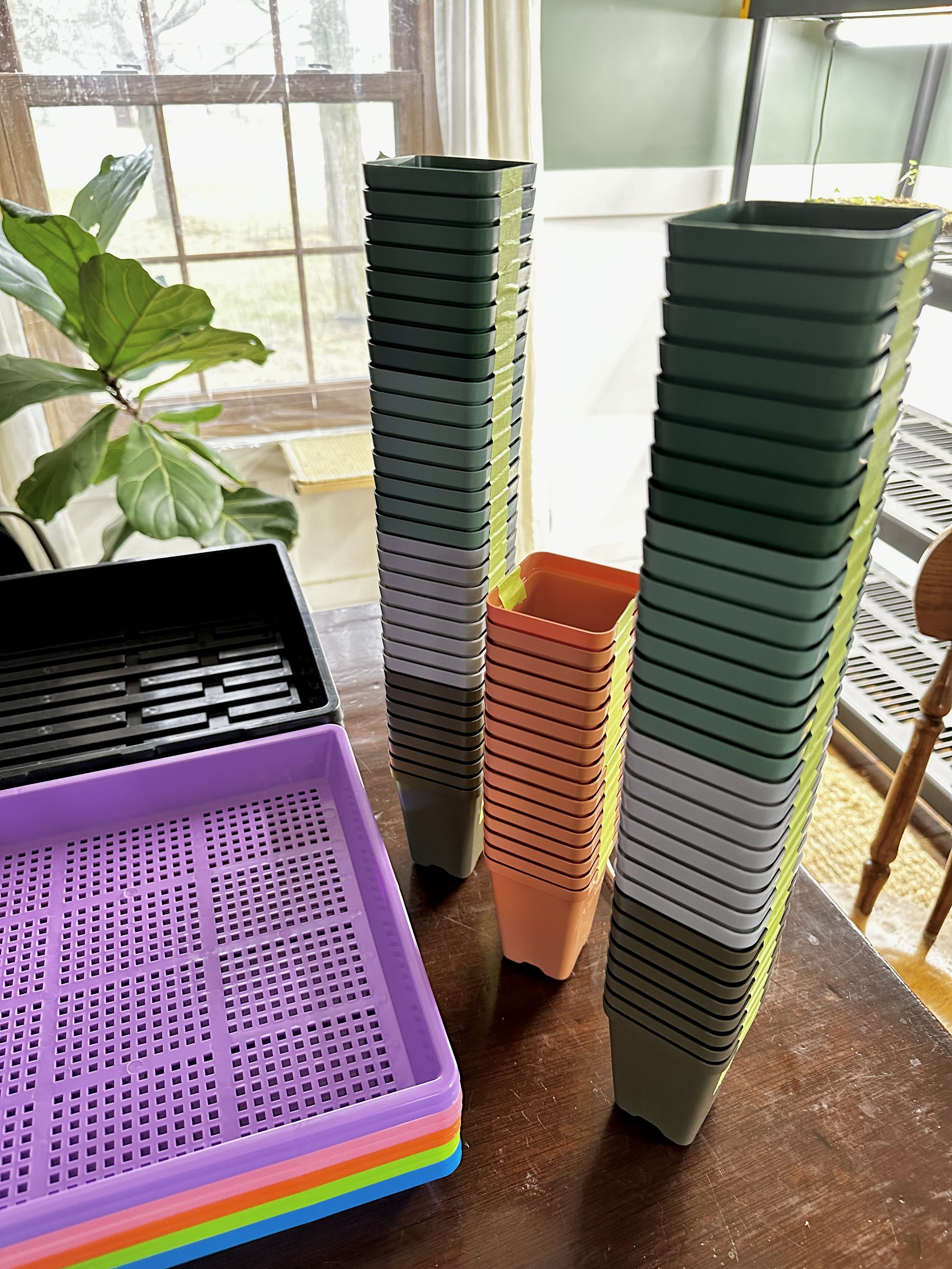
➡️ My current rack setup fits 3 Bootstrap Farmer trays per shelf, with 4 usable shelves, for a total of 12 trays per rack. We also have a couple on wheels which I love.
3. Containers: Cups, Trays, Soil Blocks & Air Prune Propagation Trays
There are a lot of container options out there — and yes, you can find cheaper trays on Amazon.
I’ve tried them.
For me, constantly replacing cracked or warped trays every single year became more frustrating (and more expensive in the long run) than helpful. Over time, I chose to start investing in what I’ve found to be the best trays on the market — products that hold up season after season and support healthy root development.
That’s how we landed on Bootstrap Farmer trays and containers. They’ve become the backbone of our seed-starting setup, and we use the heck out of them.
That said, you do not need everything at once. Start where you are, and build as you go.
How We Use Bootstrap Farmer Products
1020 Seed Starting Trays
These are the workhorses of our system. We use them for:Holding Air Prune Propagation Trays
Soil blocking
Catch trays for individual nursery pots
1020 Mesh Deep Trays (Soil Blocking)
When soil blocking, we pair the 1020 trays with their mesh deep trays to allow proper airflow and drainage.
Individual Nursery Pots
These are what we use for crops that need more root space early on:Tomatoes
Cucumbers
Peppers
And similar transplants
Cell Trays, Domes & Starter Pots
We use these for:Starting our own plugs
Pre-starting dahlia tubers
Crops that benefit from a more contained, protected start
Their products are 1000% worth the investment if you plan to start seeds year after year.
If you’re just trialing seed starting or want a budget-friendly way to begin, this Amazon starter kit is a great option:
👉 https://amzn.to/4q5Z2Ck
Other Container Methods I’ve Used
Solo cups
Traditional seed trays
Soil blocks
Air Prune Propagation Trays (a method I experimented with last year)
Each has its place — and every one of them can grow healthy plants.
A Quick Transparency Note
Just to be completely clear — I’m not affiliated with Bootstrap Farmer. I don’t get paid to recommend their products (though that would be pretty awesome someday).
I share them simply because we genuinely love their products and use them constantly in our seed-starting setup.
Soil Blocking (An Investment That’s Been Worth It)
Soil blocking is another method we use regularly, and it’s one that does require a bit more intention — both in learning and in tools.
Soil blocks eliminate plastic containers altogether by forming compact cubes of soil that encourage strong, air-pruned root systems. When done well, they transplant beautifully and reduce shock.
Over time, we’ve chosen to invest in Swiftblocker, and it’s been completely worth it. Their tools are thoughtfully designed, durable, and have made soil blocking far more efficient and consistent for us. As we continue to grow and refine our process, we’re slowly building our inventory with their products.
👉 Swiftblocker tools:
https://www.swiftblocker.com/shopswiftblocker
That said — this is another area where you absolutely don’t have to start with top-of-the-line tools.
When we first began soil blocking, we used much more basic options while learning the process:
A simple handheld soil blocker:
https://amzn.to/4pnzX4vAnd this larger multi-block option:
https://amzn.to/4jmoJfn
Those tools worked just fine for learning soil consistency, pressure, and technique.
Like most things in gardening, soil blocking can be done:
Inexpensively while you’re learning
Or with higher-quality tools once you know it’s a method you’ll stick with
Both approaches are valid — and both can grow healthy plants.
Soil blocking is one of those methods that rewards patience and practice — and like everything else in this season of life, I’ve learned to let it be imperfect while I learn.
Air Prune Propagation Trays (What I Experimented With)
Last year, I experimented with Air Prune Propagation Trays, and they’ve become a really valuable tool in my setup.
These trays work by allowing air to naturally prune roots. When roots reach the edges of the cell and hit air, they stop growing and branch out instead — creating a dense, healthy root system.
Why I Like Them:
Strong root development
Less transplant shock
Durable and reusable
More forgiving than soil blocking on busy days
I still love soil blocking — and I still use it.
But in this season of motherhood, air prune trays offer efficiency and consistency when I don’t have the margin for perfection.
➡️ I link my exact Bootstrap Farmer Air Prune Propagation Trays here.
4. Soil: The Foundation of Everything
Soil is one place I no longer cut corners — because everything starts here.
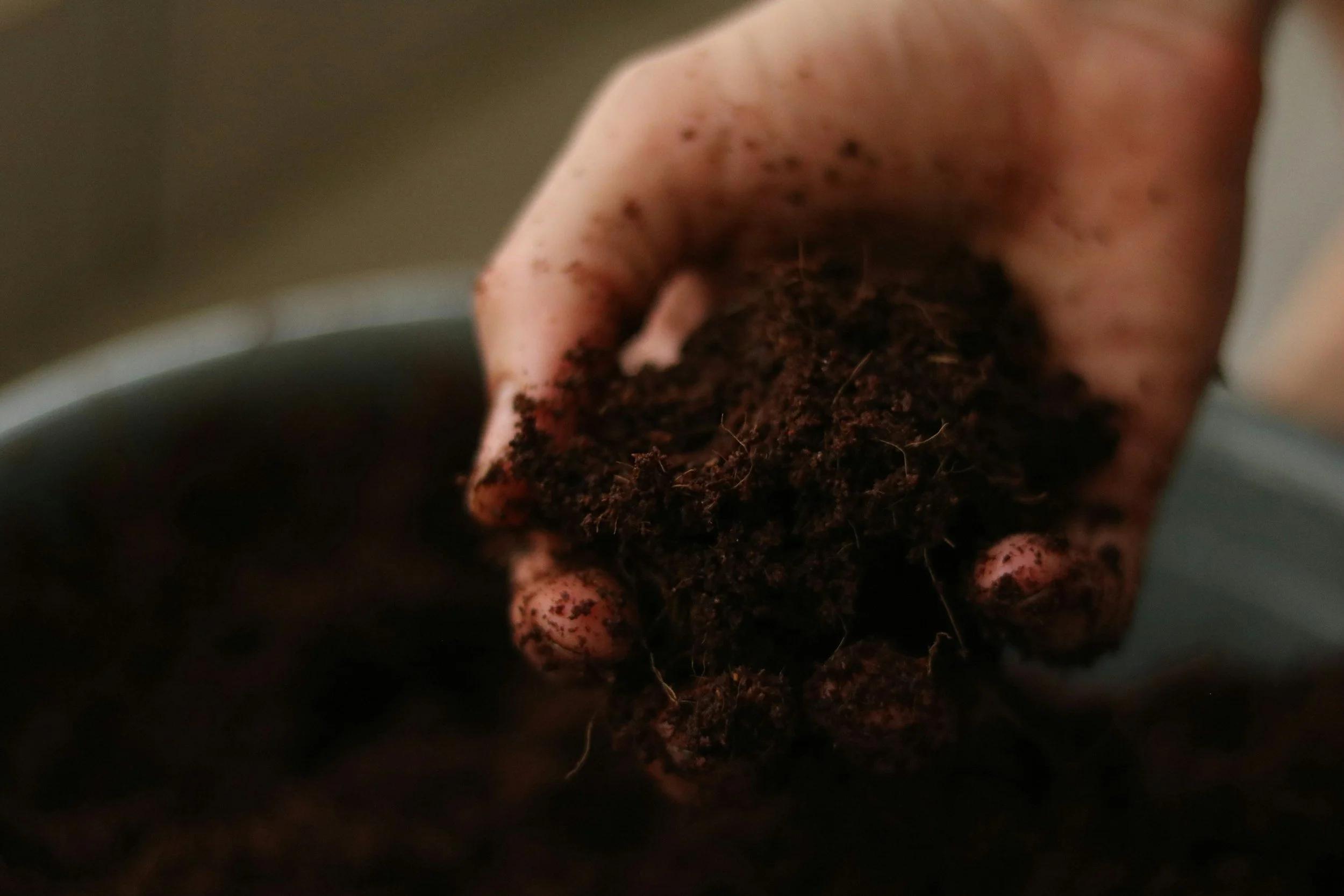
When you’re starting seeds indoors, soil needs to be fine, light, and consistent so delicate seedlings can easily push through the surface. Heavy or chunky mixes can prevent germination, restrict root development, and make moisture harder to manage.
A good seed-starting mix should:
Hold moisture without becoming soggy
Allow airflow to roots
Be fine enough for tiny seedlings to emerge easily
My Go-To Seed Starting Mix
Morgan Composting — Dairy Doo Seed Starting Mix
Hands down the best seed-starting mix I’ve ever used.
It’s only available through Michigan suppliers — we purchase ours from Sunshine Products of Dansville, a local small business that carries Morgan Composting’s Dairy Doo line. The good news is, they do ship throughout the U.S.
This mix is consistently fine, well-balanced, and easy to work with whether you’re soil blocking, using trays, or starting seeds in individual pots.
How I Amend It
I also amend my seed-starting mix with:
Wool pellets from Wild Valley Farms (no affiliation)
This simple addition helps improve moisture retention and adds gentle, slow-release nutrients — especially helpful during early growth.
Why This Combination Works
Together, this mix creates:
Excellent moisture retention
Proper airflow for healthy roots
Balanced nutrition without overwhelming young seedlings
Soil Consistency Tip
No matter what mix you use, consistency matters.
Your soil should feel like a wrung-out sponge — moist enough to hold together, but not dripping wet. This is especially important for soil blocking, where moisture level can make or break the process.
➡️ Here is a great seed starting mix alternative. Or this one!
5. Planting & Watering
Bottom water whenever possible
Keep soil moist, not soaked
Use humidity domes only until germination
Remove domes as soon as seedlings emerge
Airflow is essential — stagnant air leads to disease.
The Watering Tool That Changed Everything for Me
This is one of those tools I didn’t realize I needed until I used it — and now I genuinely wouldn’t want to seed start without it.
I swear by an electric automatic spray mister, and it has saved me so much hassle over the years.
When you’re starting seeds — especially in soil blocks, air prune propagation trays, or shallow cells — gentle watering matters. A harsh stream of water can displace seeds, compact soil, or damage tiny seedlings.
This mister gives:
A consistent, fine mist
Even moisture without disturbing soil
One-handed operation (which matters when you’re juggling a baby)
It’s rechargeable, lightweight, and takes the guesswork out of hand watering. No pumping. No wrist fatigue. No accidentally blasting seedlings across the tray.
On busy days — which is most days in this season of life — this tool lets me water quickly, gently, and move on.
6. Heat Mats (Do You Need Them?)
Heat mats aren’t required for every seed — but for certain crops, they can make a huge difference.
Heat mats help maintain a consistent soil temperature, which speeds up germination and improves overall success rates, especially for heat-loving plants. They warm the soil, not the air, creating the ideal environment for seeds to sprout evenly.
I Recommend Heat Mats For:
Tomatoes
Peppers
Eggplant
Basil
Celosia (especially important for consistent germination)
Dahlias and other tubers
Cool-season crops like lettuce, spinach, and brassicas typically don’t need bottom heat and will germinate just fine without it.
How I Use Heat Mats
I place heat mats under trays only until seeds germinate
Once seedlings emerge, trays come off the heat
If possible, I use a thermostat to avoid overheating
Heat mats work best when paired with proper lighting and airflow
Used correctly, heat mats can dramatically reduce germination time and help create more uniform seedlings — which means less frustration and fewer do-overs.
Heat mats are one of those tools that aren’t essential for everything, but when you need them, they’re absolutely worth having.
➡️ I link the heat mats and heat mats with thermostat I use here.
7. Daily Maintenance
This doesn’t have to be complicated.
Each day:
Check moisture
Adjust lights
Observe growth
Some days you’ll do it perfectly.
Some days you’ll forget.
Plants are more resilient than we give them credit for.
8. Hardening Off
Before planting outdoors:
Start with 30–60 minutes outside
Gradually increase exposure
Protect from wind and harsh sun
Skipping this step often leads to setbacks — take the time.
9. Accessories That Make Life Easier
These aren’t required, but they help:
Light pulleys for easy adjustment
Timers (I also have a power strip one as well)
Fans for airflow
Labels (trust me on this one)
Final Thoughts
You don’t need the perfect setup.
You don’t need endless time.
You don’t need to get it right the first time.
You will fail.
You will learn.
You will grow.
And one day, you’ll look back at seeds started on a dining room table during nap time — and realize that was never a limitation.
It was the beginning 🌱
Thank you for being here!
Continuously growing,
Alex